John Trotter: No Agua- No Vida- The human alteration of the Colorado River
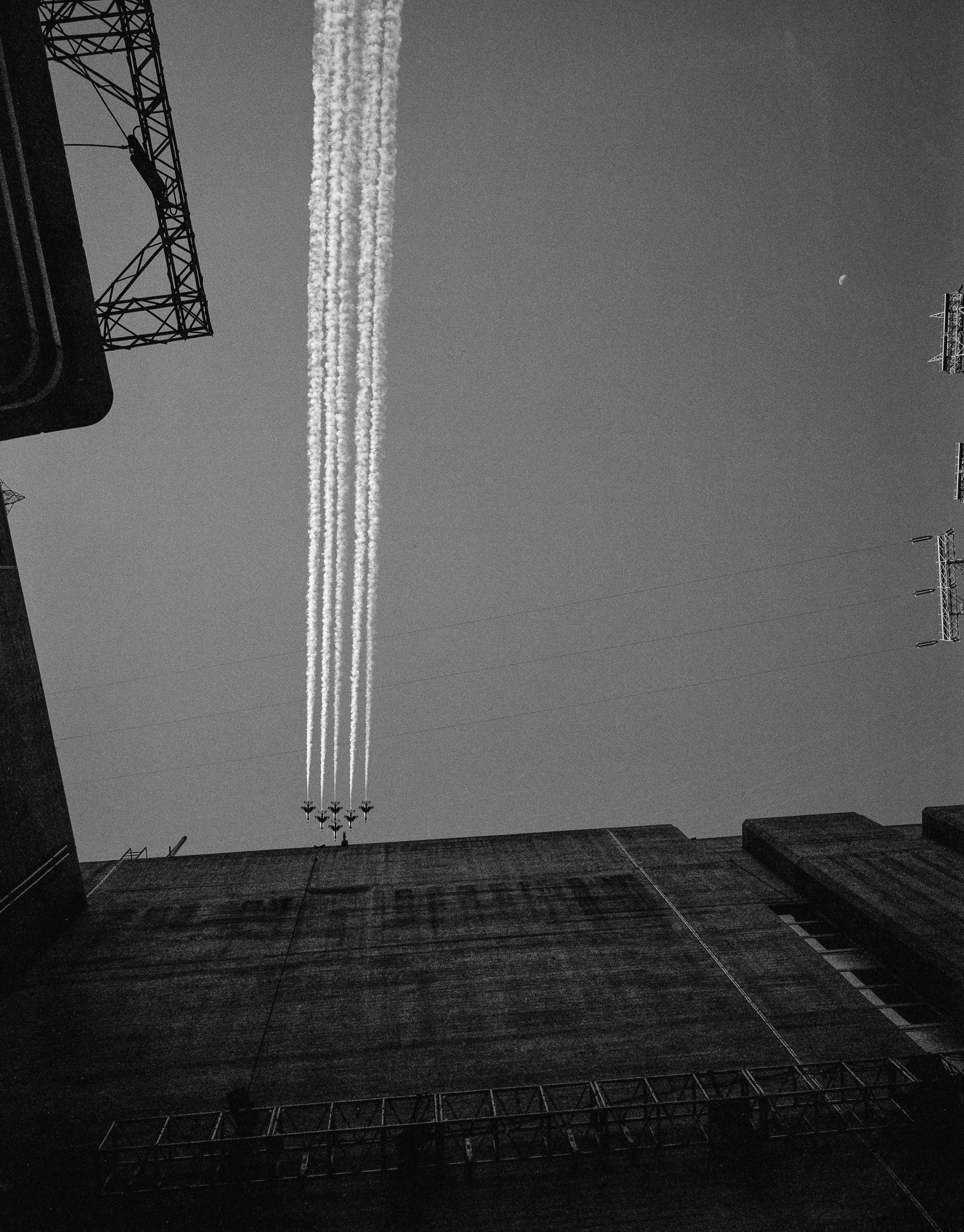
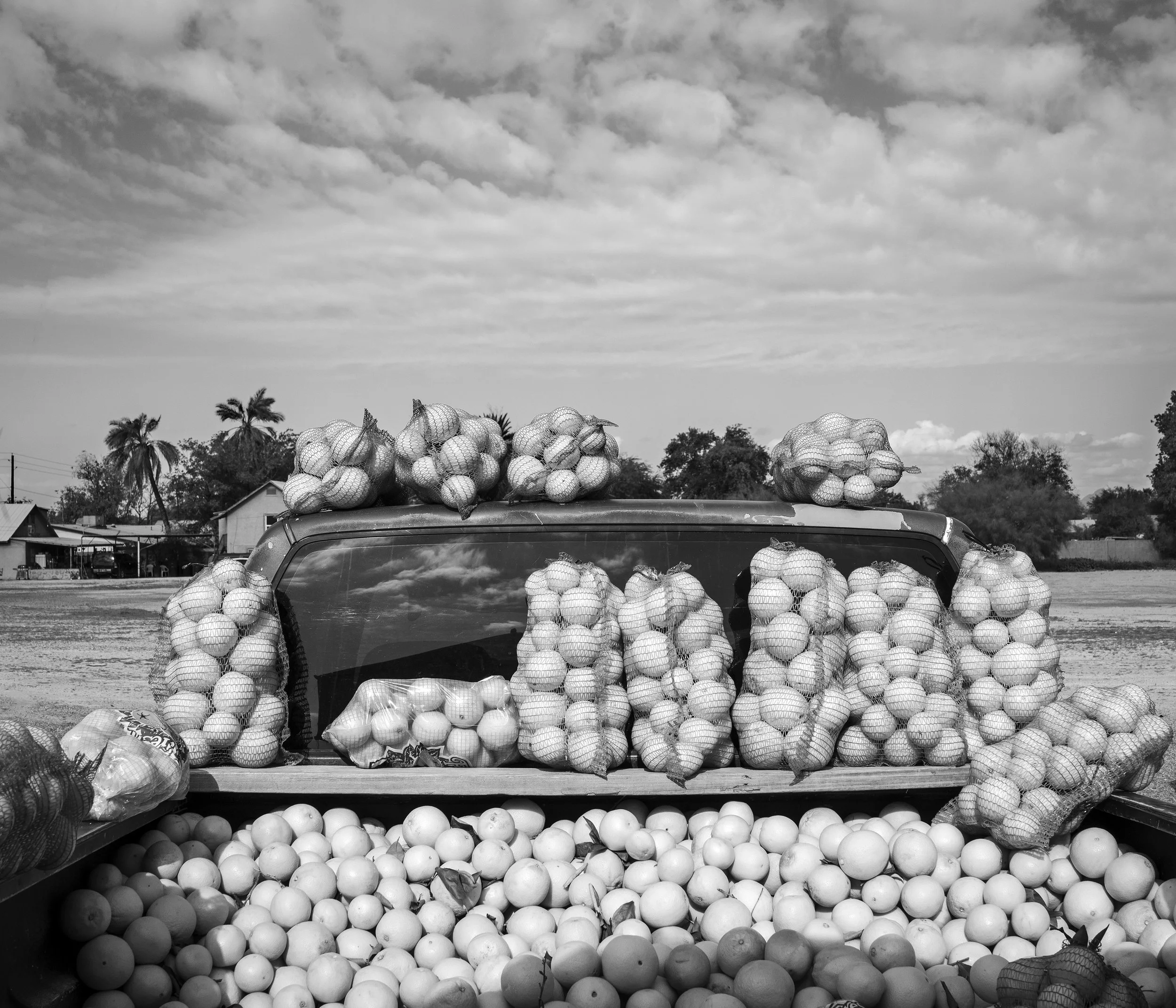
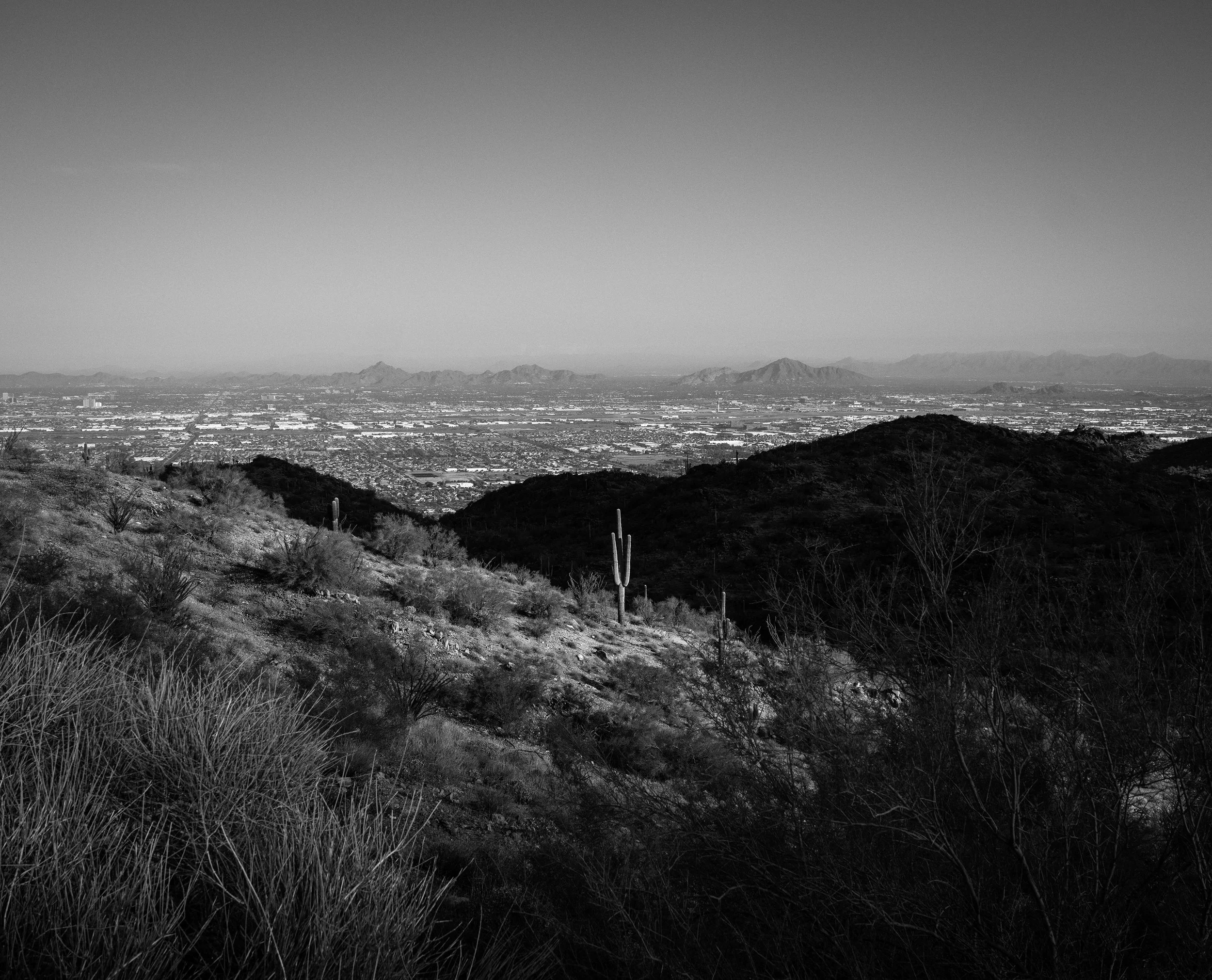
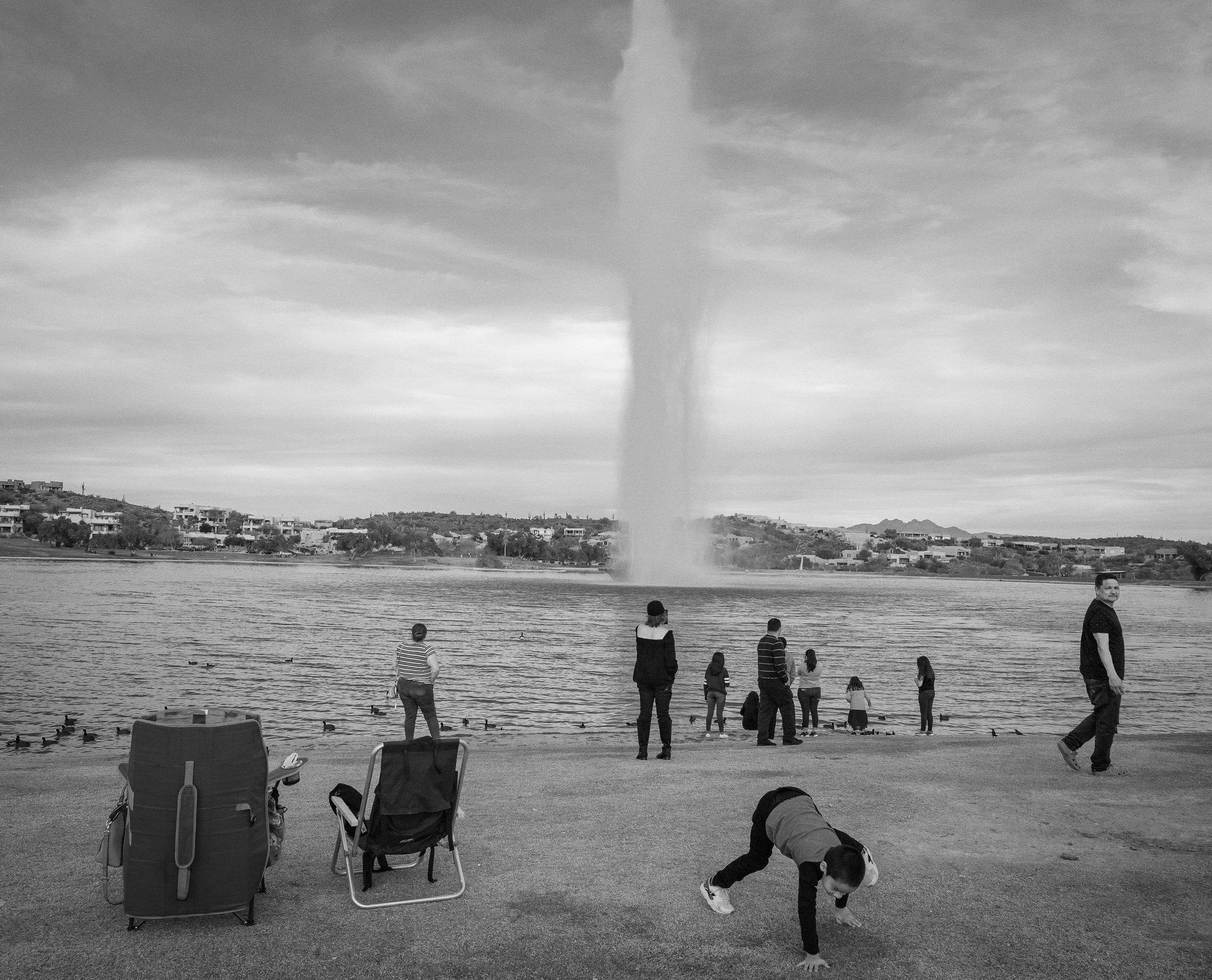
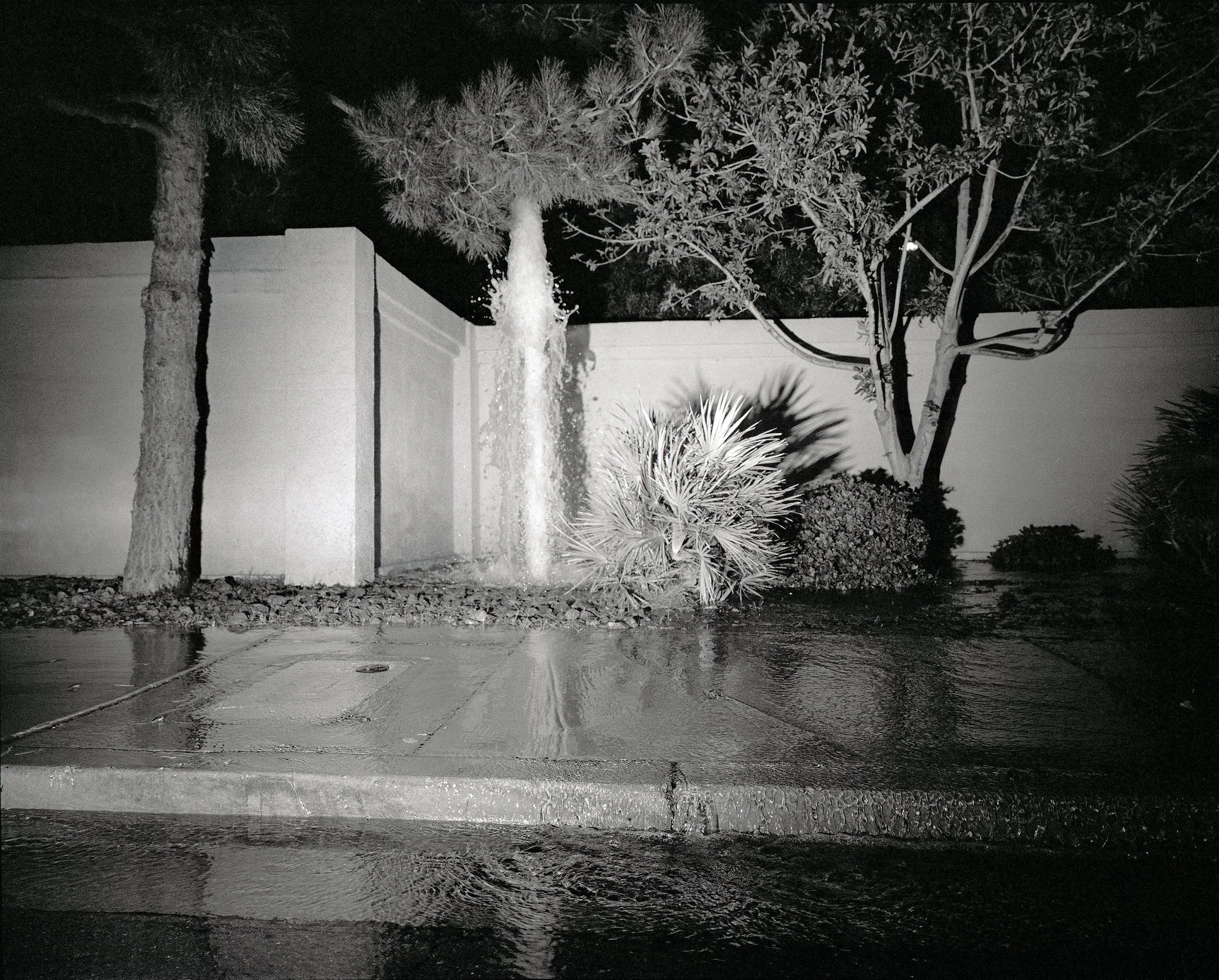
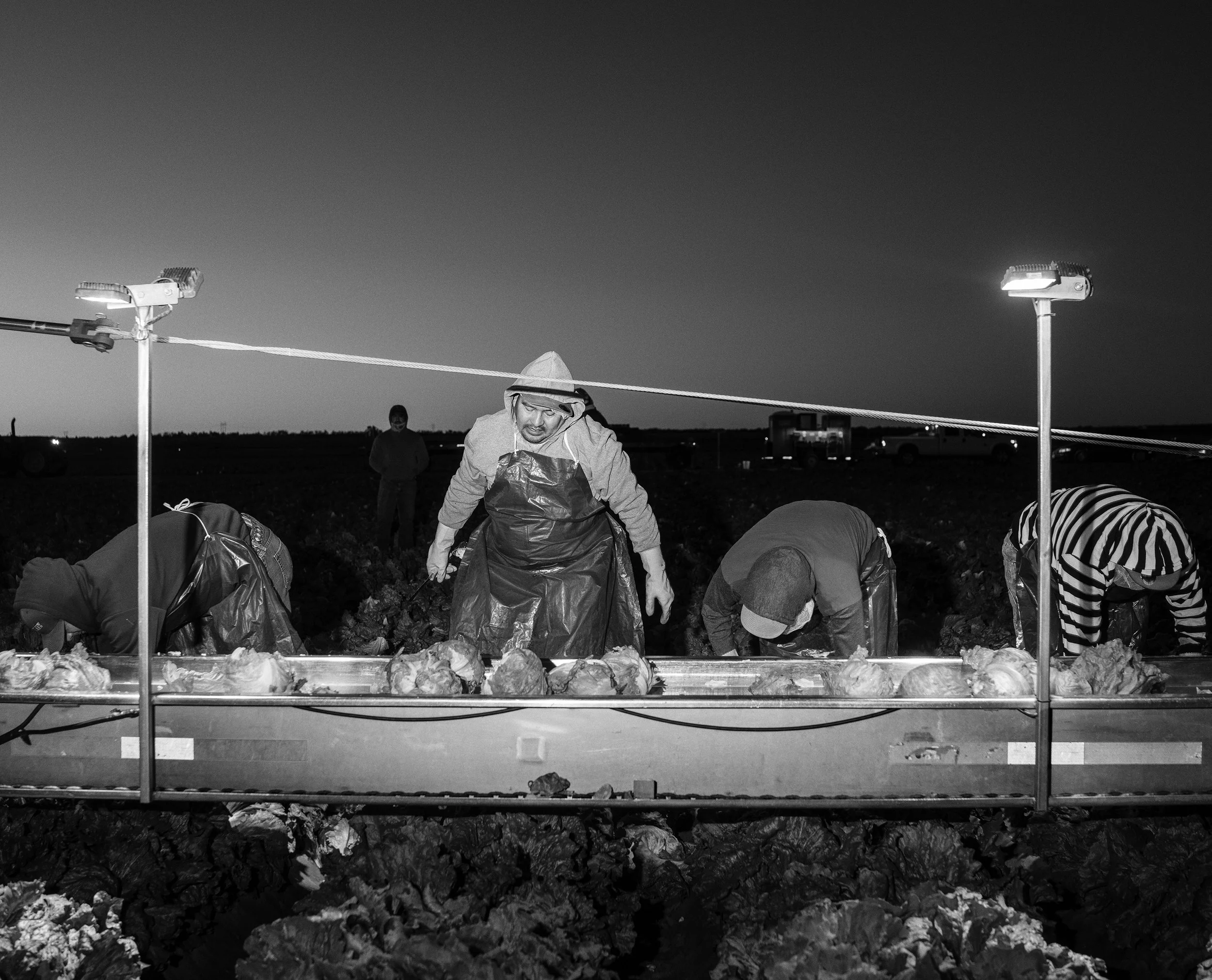
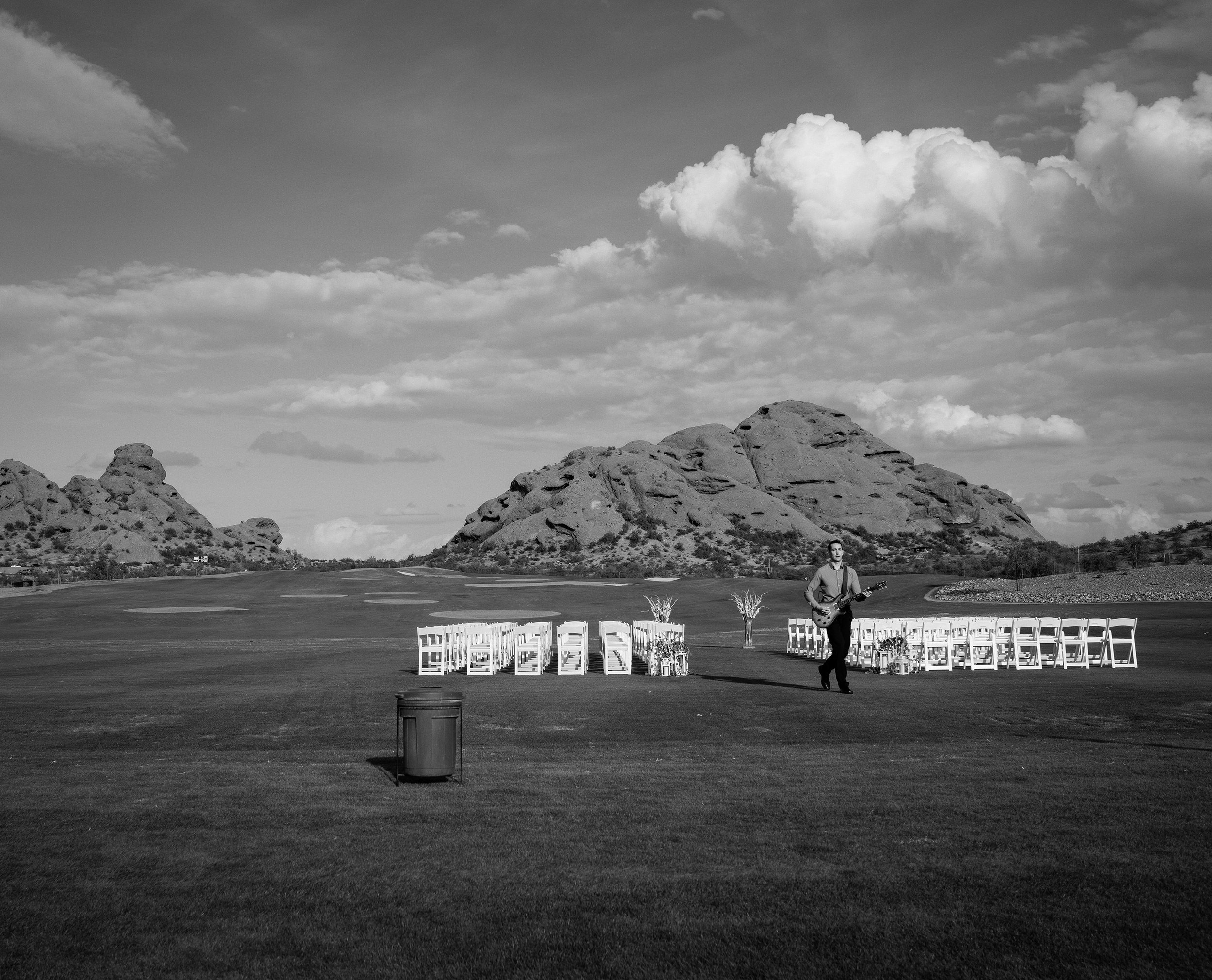
Thirty million people depend directly on water from the Colorado River. Without it, civilization as we know it in the Southwestern United States—a world of endlessly sprawling cities, verdant championship golf courses and cheap, abundant produce—would vanish. The writer Wallace Stegner once called the arid American West our “Geography of Hope.” Its vast skies and majestic mountains promise a future of limitless opportunity. But at what cost have we watered this living mythology?
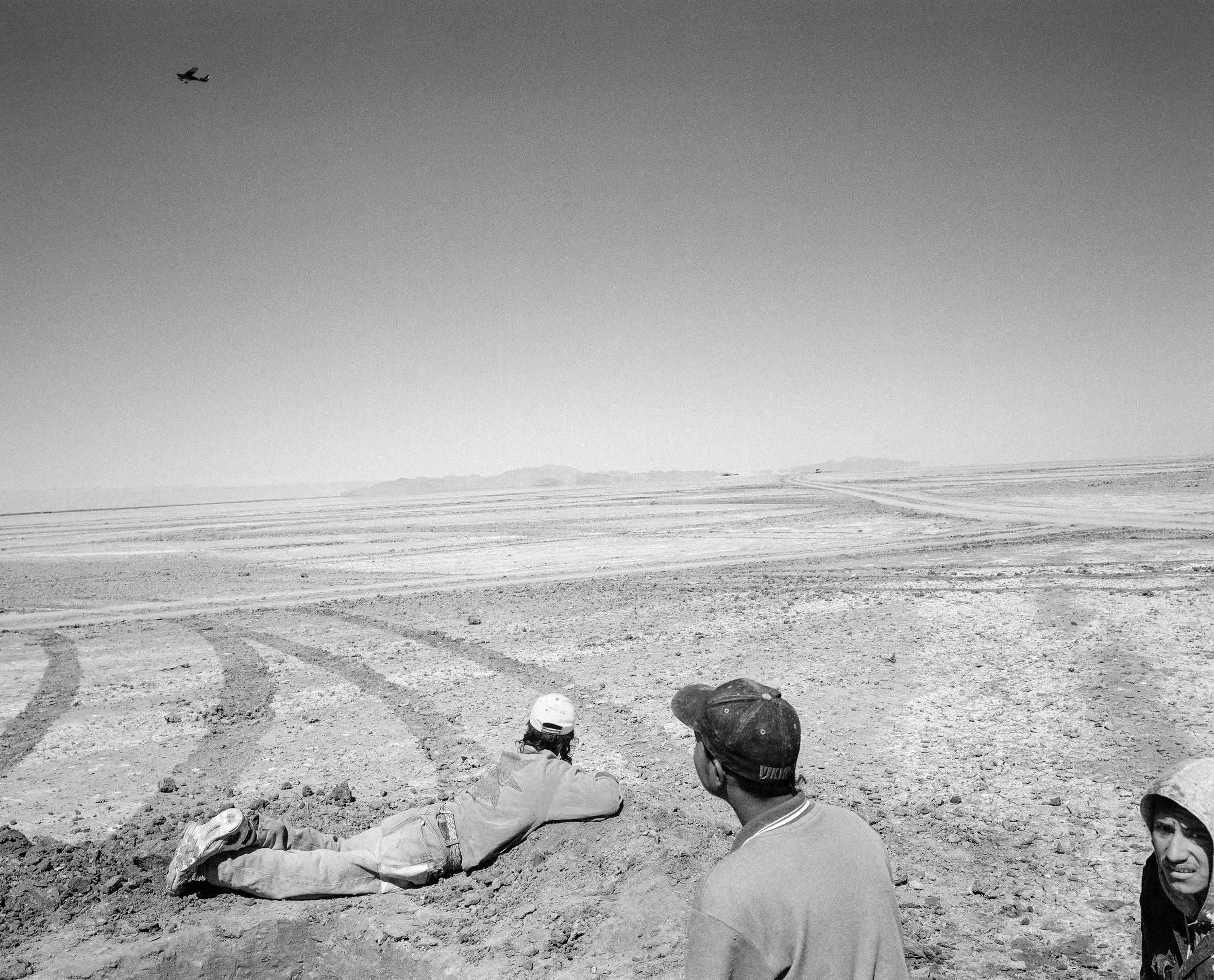
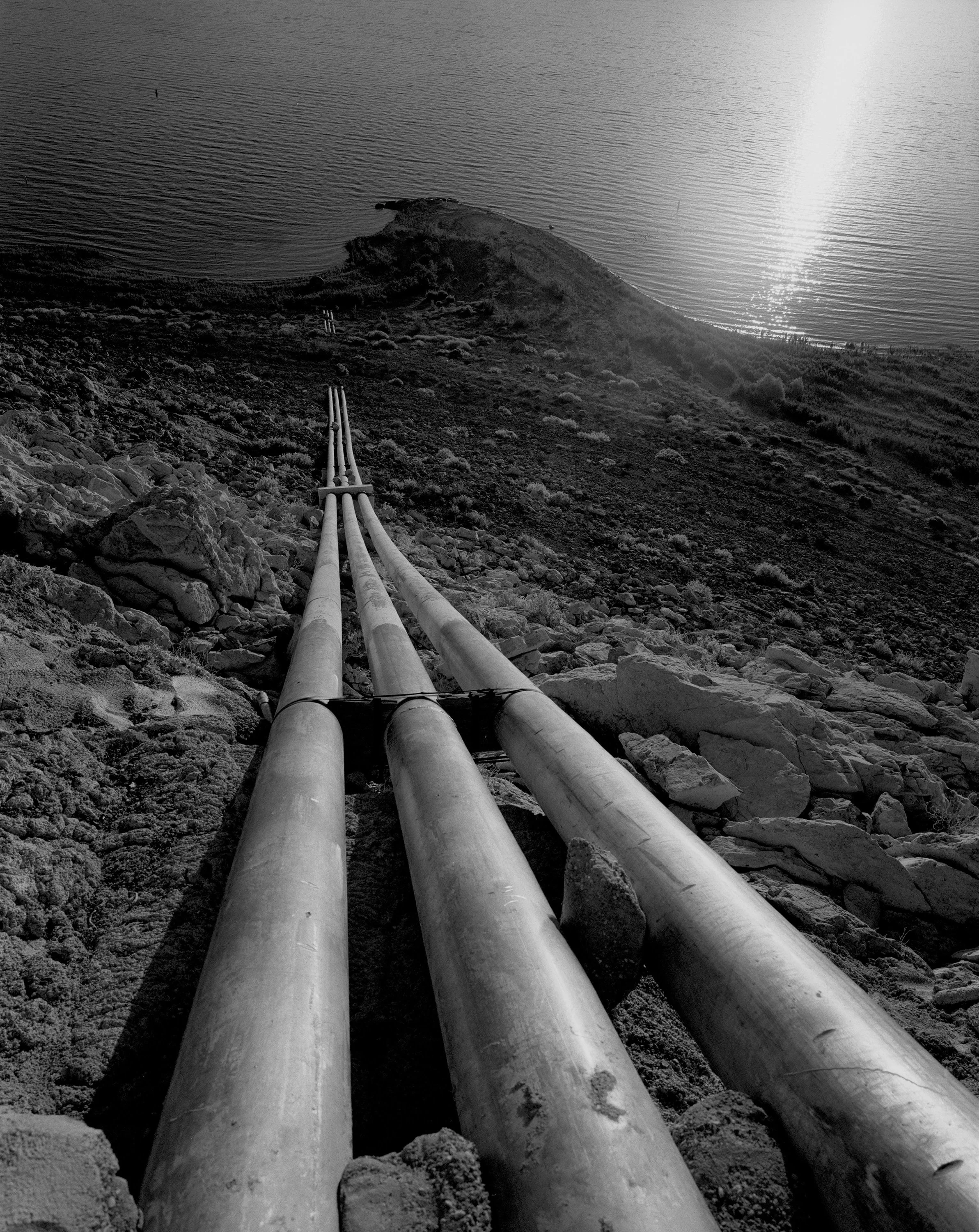
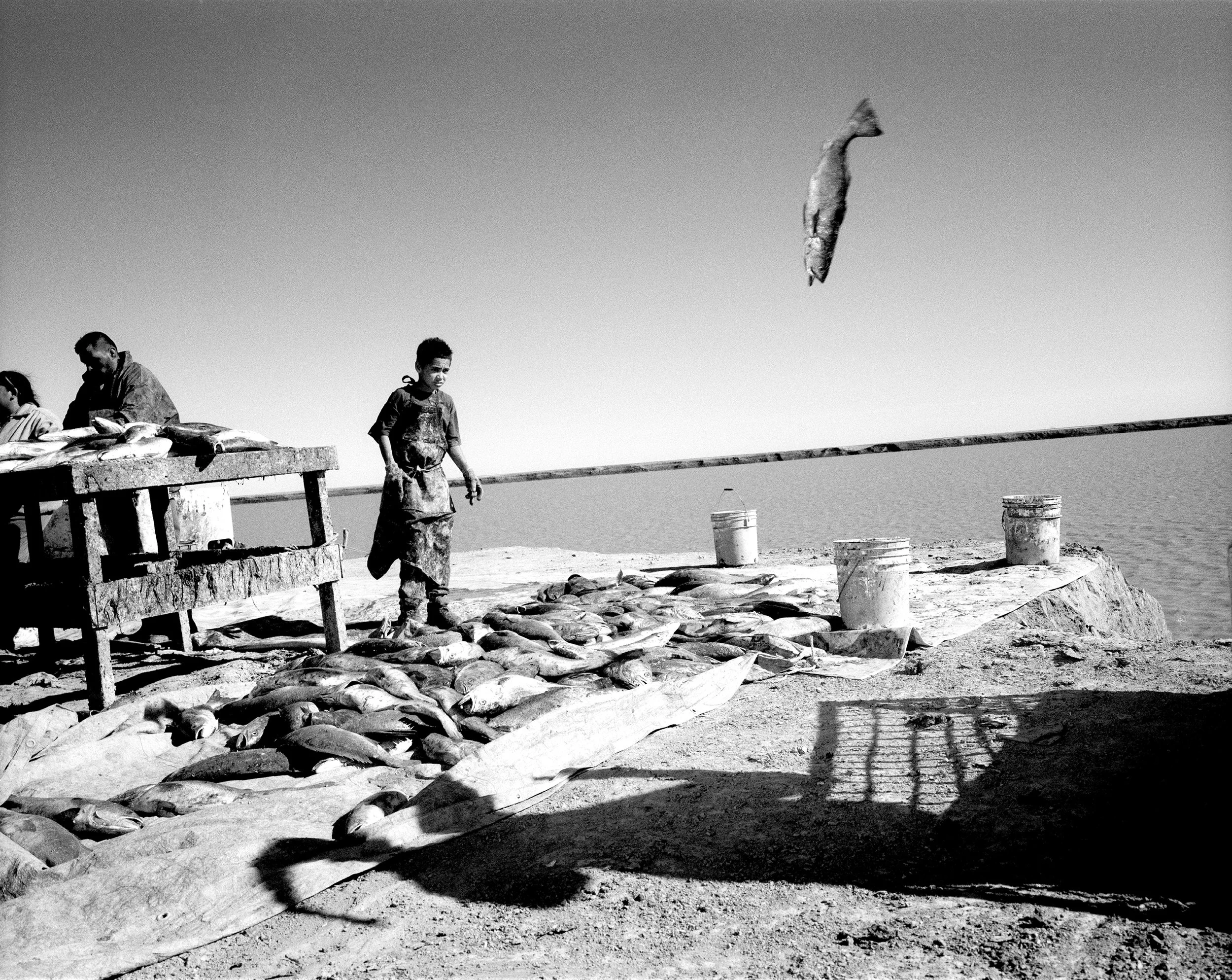
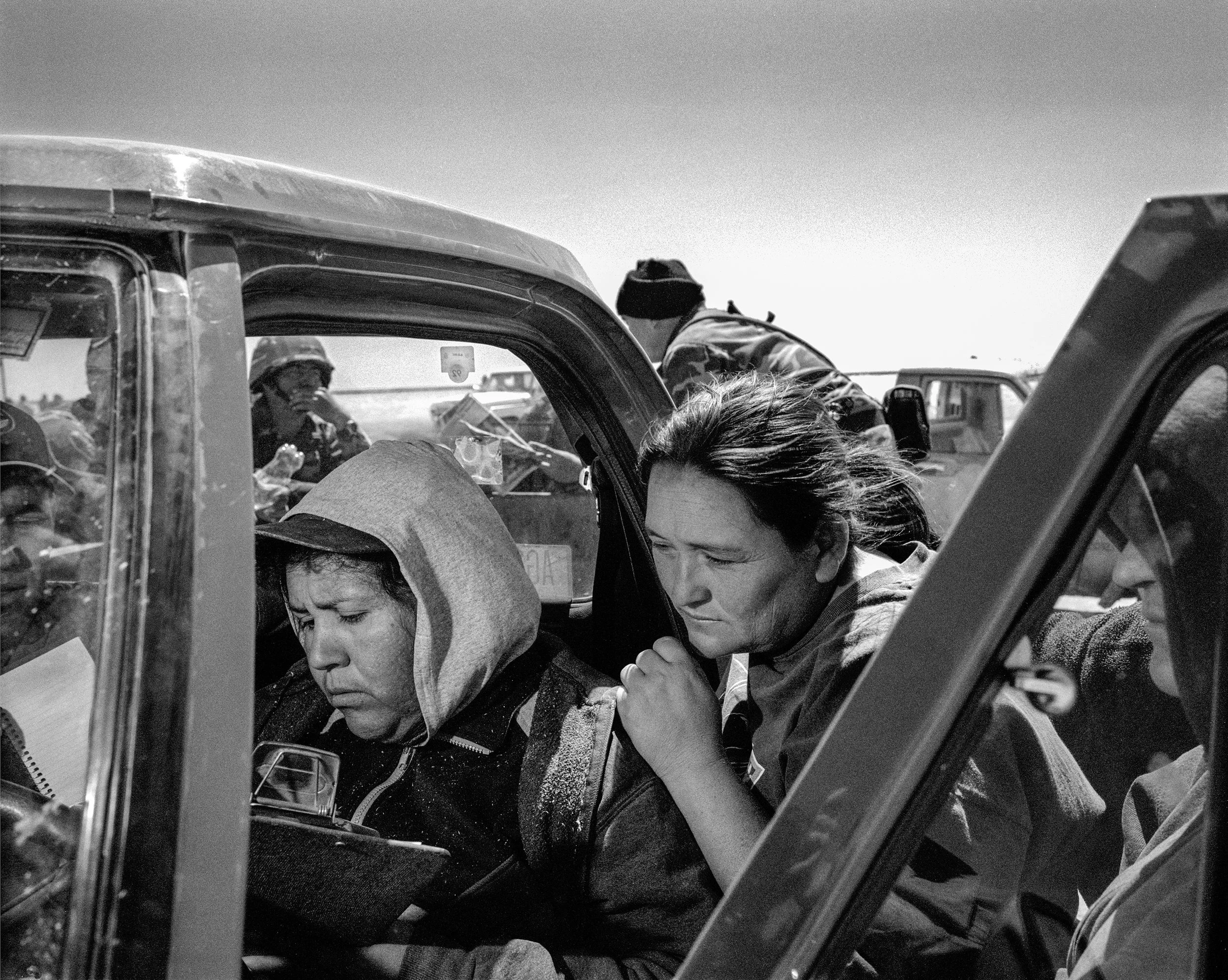
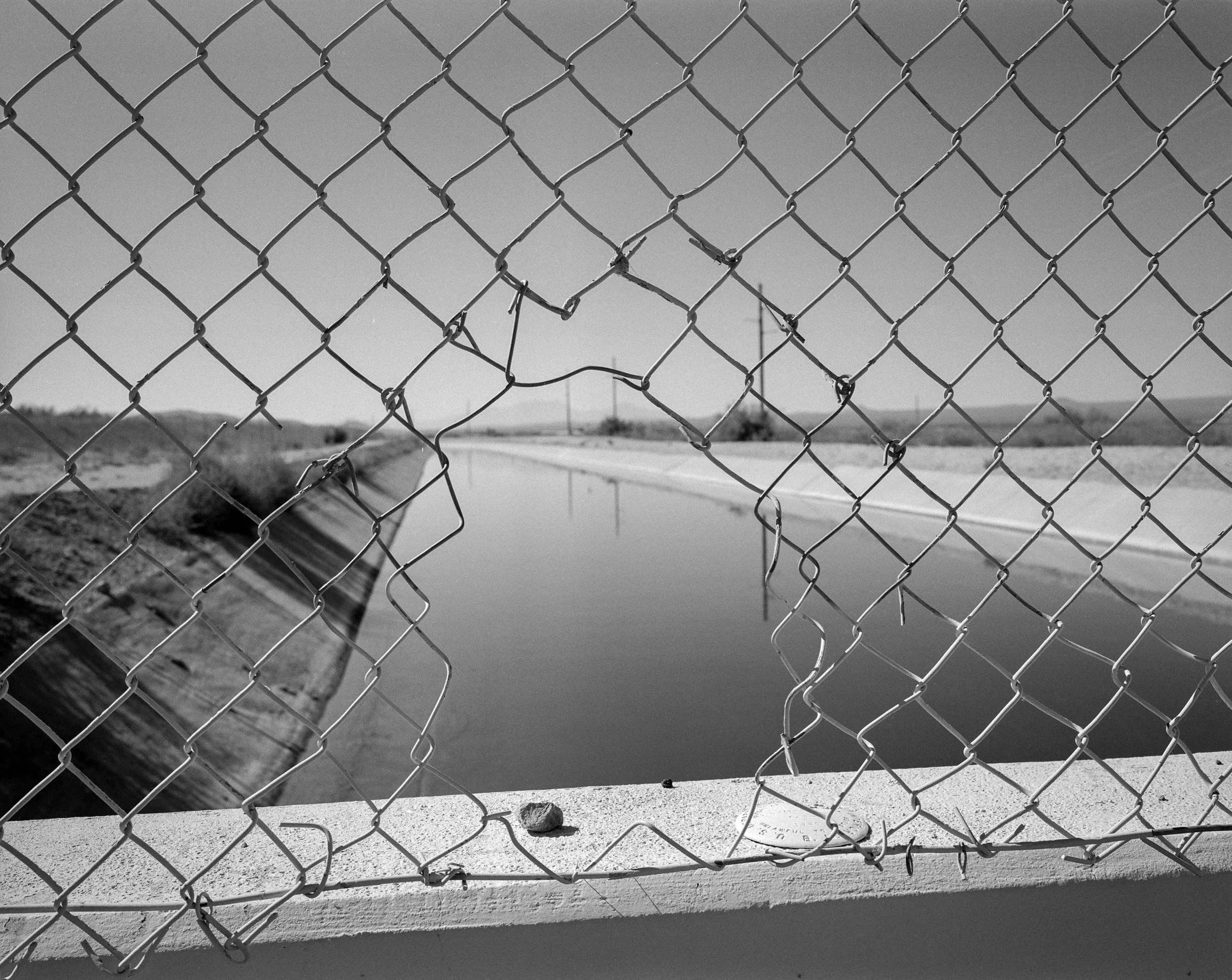
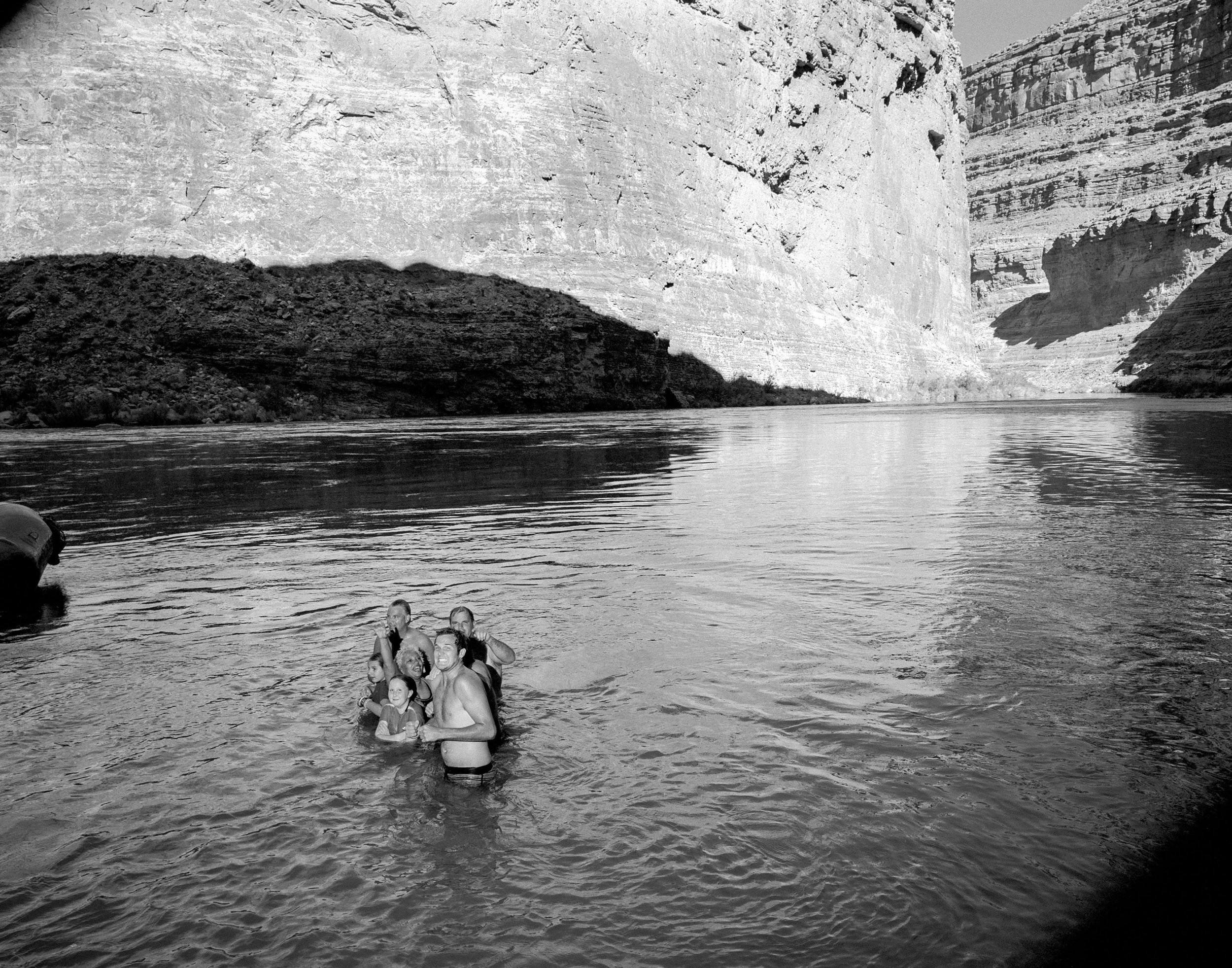
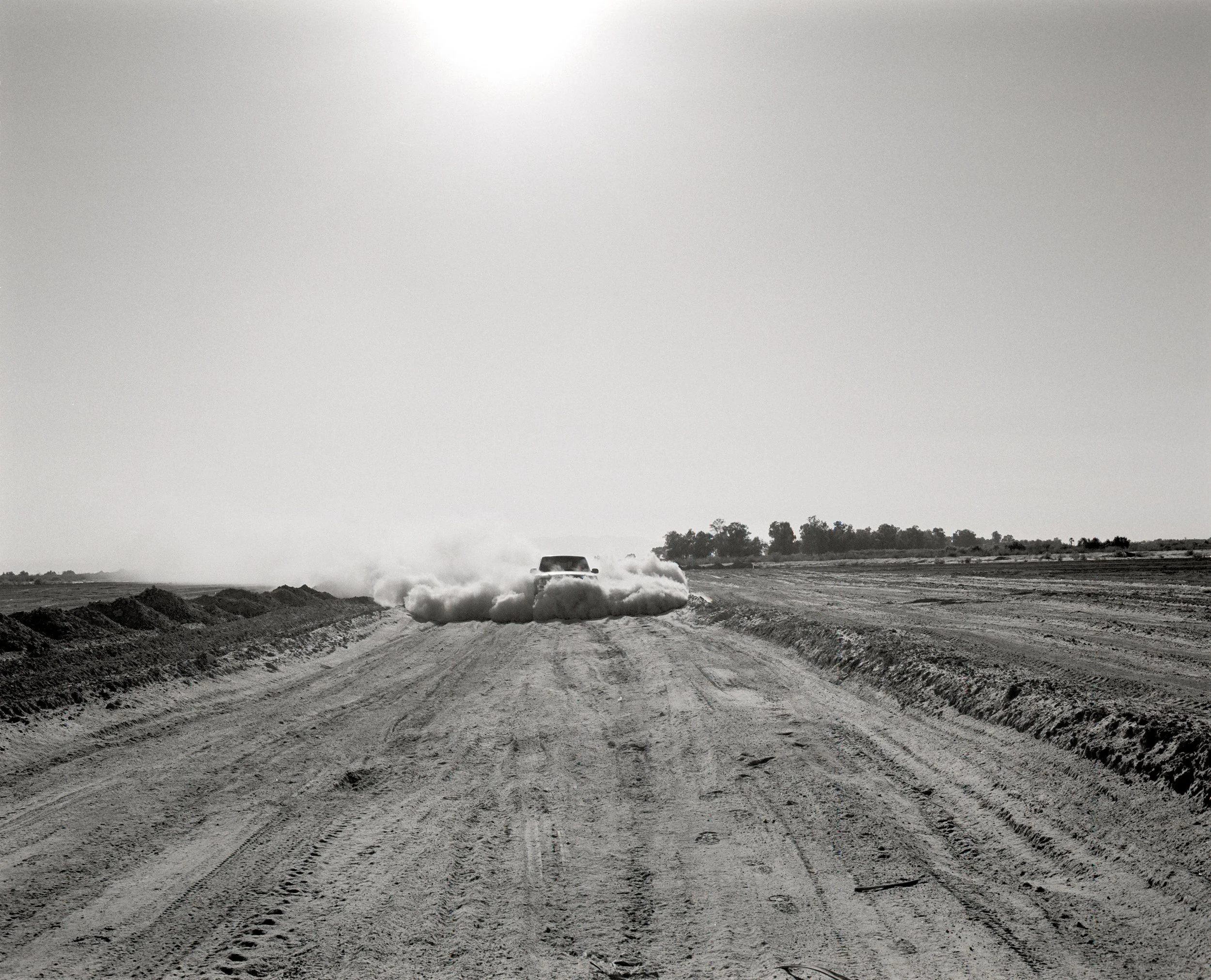
Since 2001, I have been photographing the consequences of the sweeping human alteration of the Colorado River, in the Southwestern United States and extreme Northwestern Mexico. The Colorado, I soon learned, no longer makes its ancient rendezvous with the Sea of Cortez, between the Baja California peninsula and the Mexican mainland. Forces north of the border had other destinations planned for the river’s water and in 1922 divided its annual flow between seven U.S. states and Mexico. They built an extensive network of dams, stilling much of the once roiling river and creating the foundation on which the Southwestern United States has been built.
But the premise of 1922 was speculative: up to 25% more water was promised to the river’s users than what flows in an average year. Assumptions based on limited historical data were wildly optimistic given what we now know about climate in the southwest. Pretending will not bring more water.
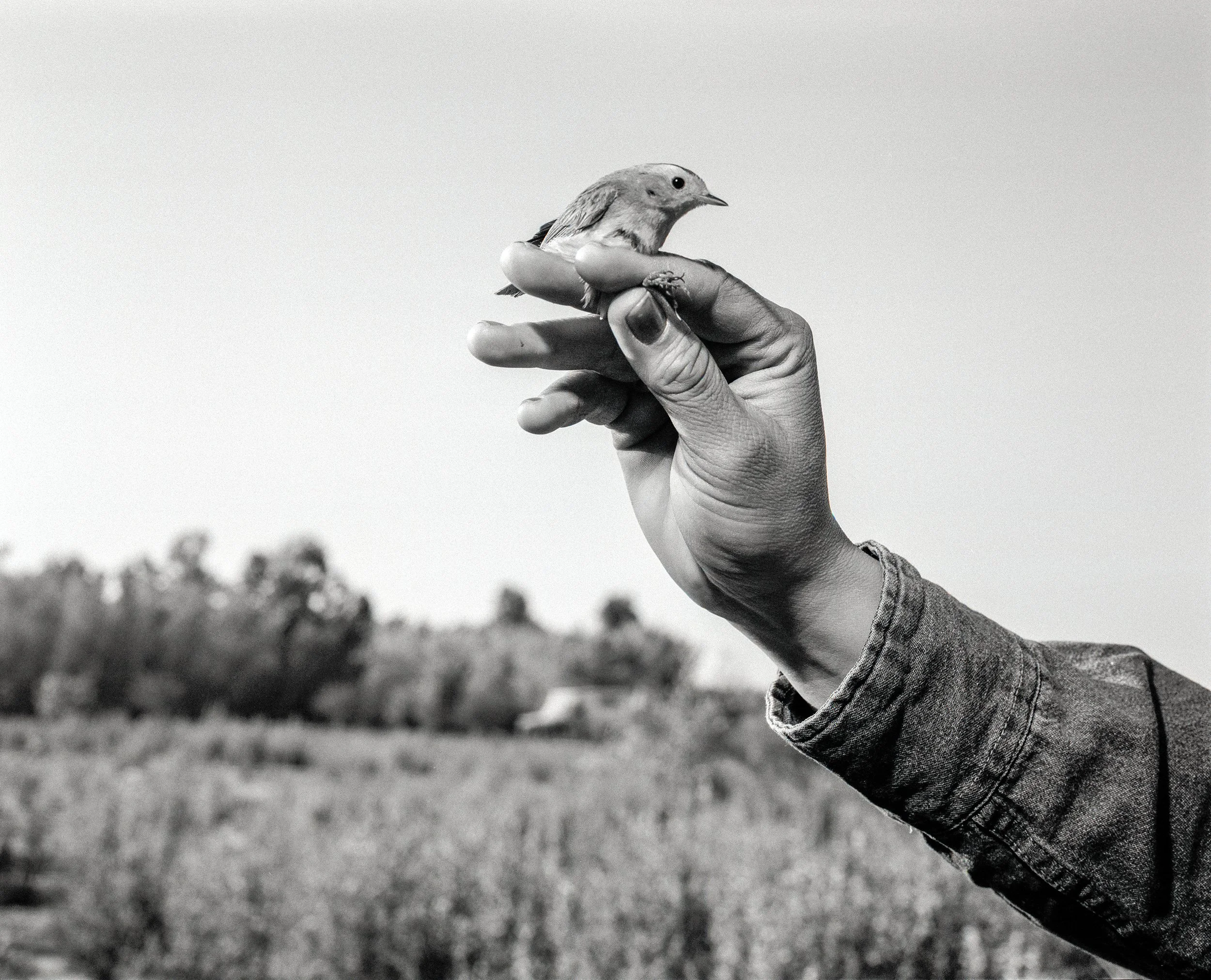
My project is an exploration of the disconnect many Americans have with the source of their water, one of the few things in the world without which we cannot survive. Exacerbated by climate change, it’s inevitable that we will pay a high price for such hubris, the degree of sacrifice still being somewhat negotiable. Traditional ways of life and the encroachment of “modern” ways of living will need to be reconsidered in the face of the coming catastrophe. I am photographing the land, the people and their civilization teetering on the brink of collapse.