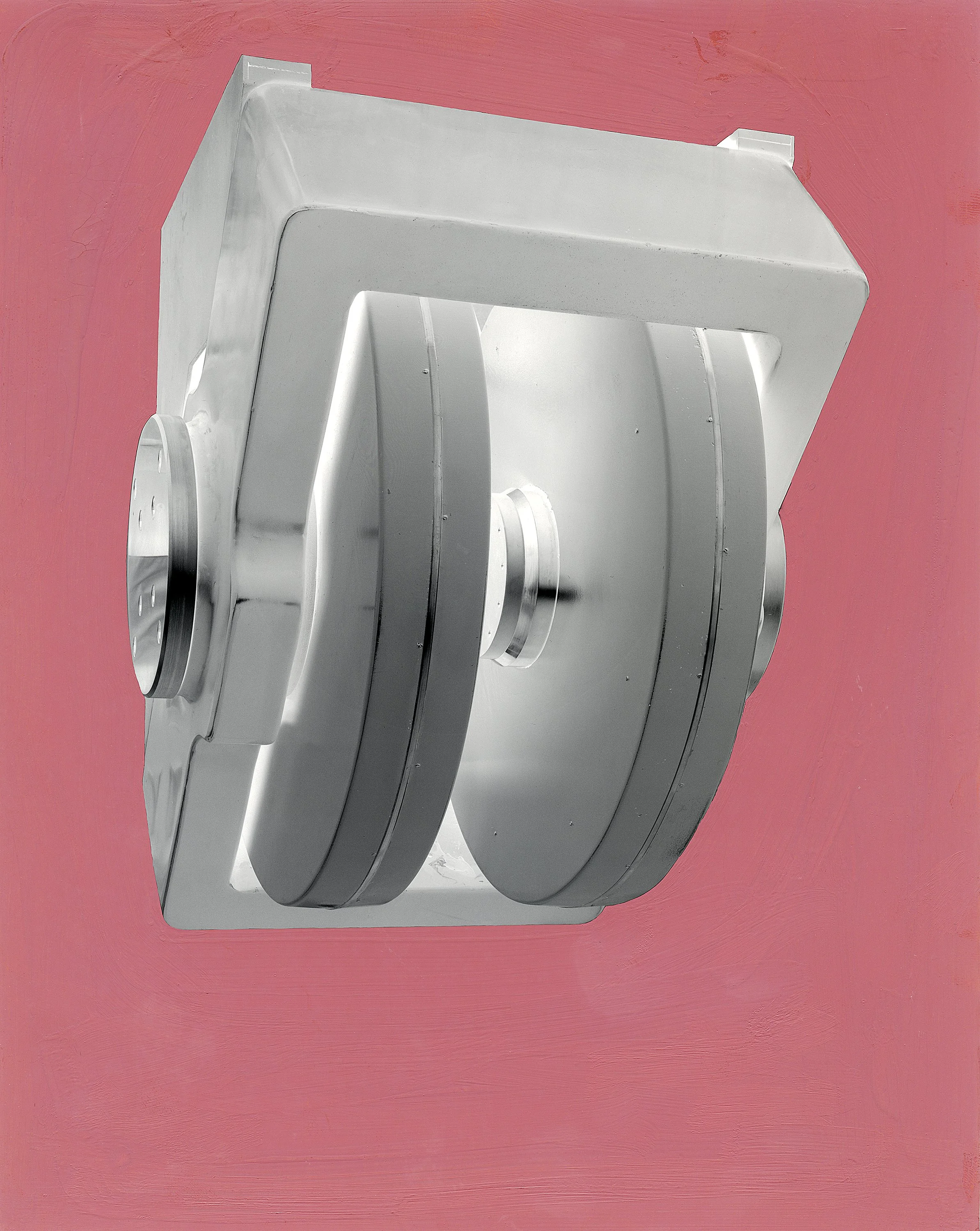
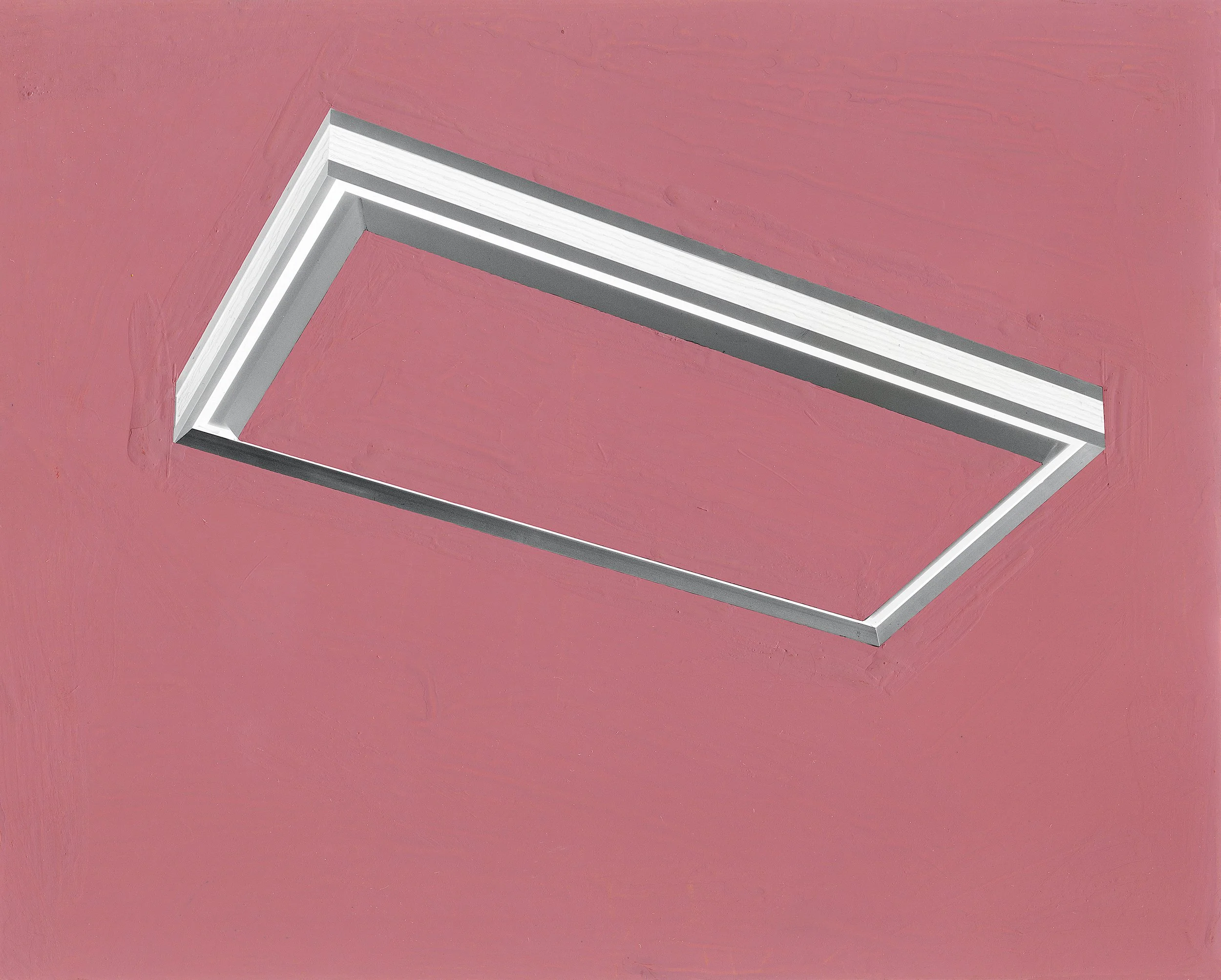
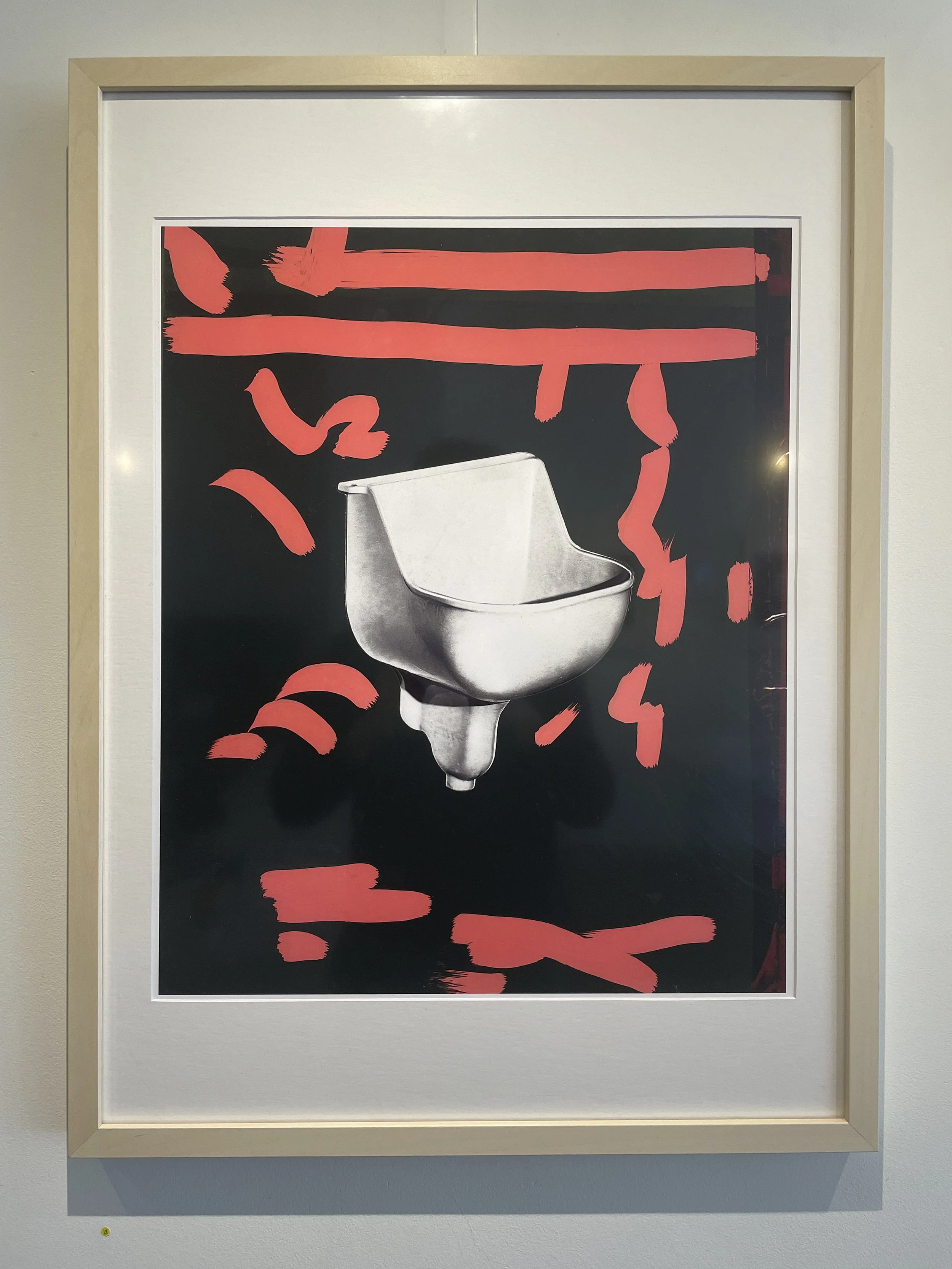
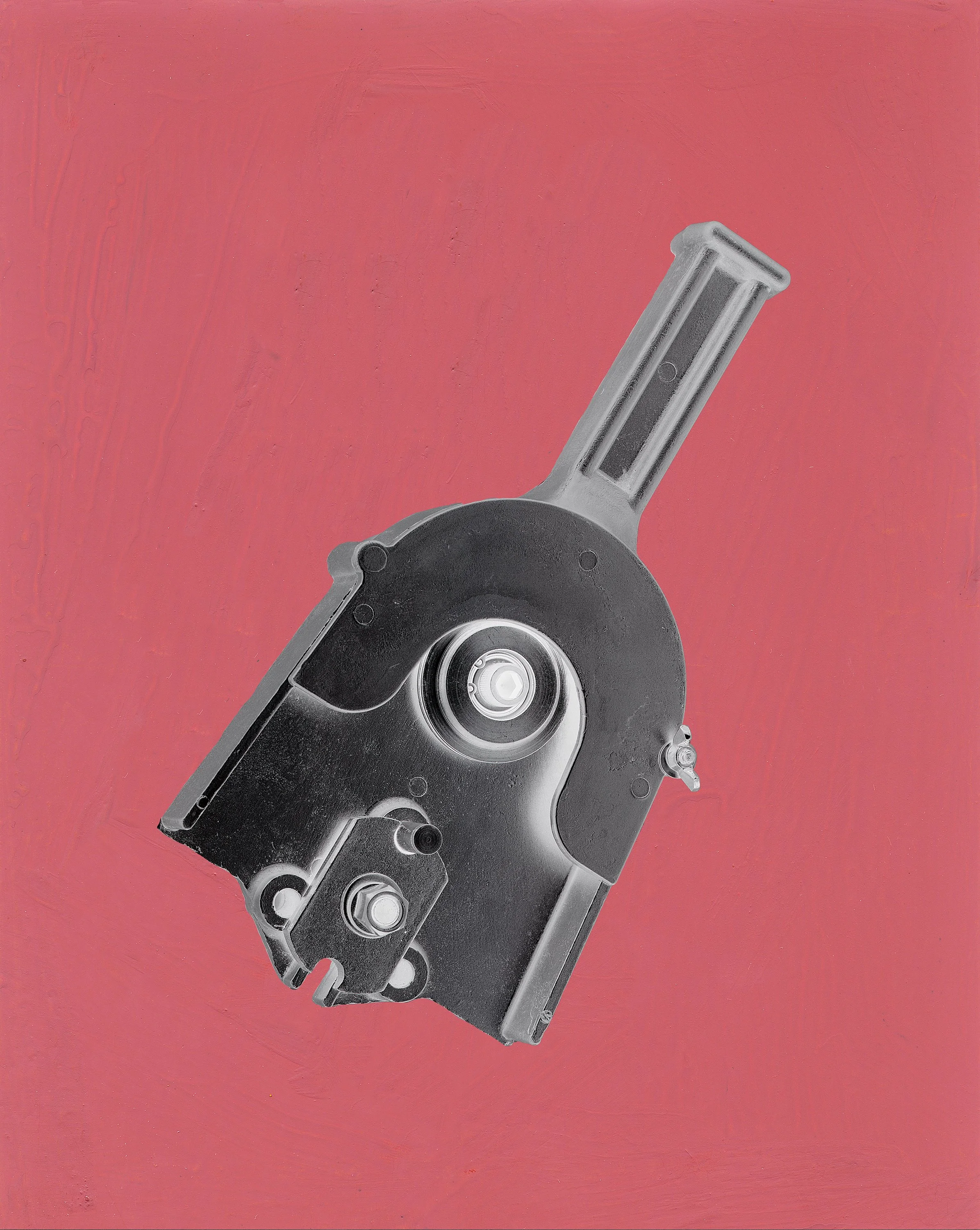
The camera negative is rarely considered for its own sake. It's usually just a step between camera and print, a transparent intermediary that disappears once the final image is made.
“Mask Studies” looks at a set of 1960s 8x10 black-and-white negatives and asks what happens when we pay attention to the marks and traces on the negative itself.
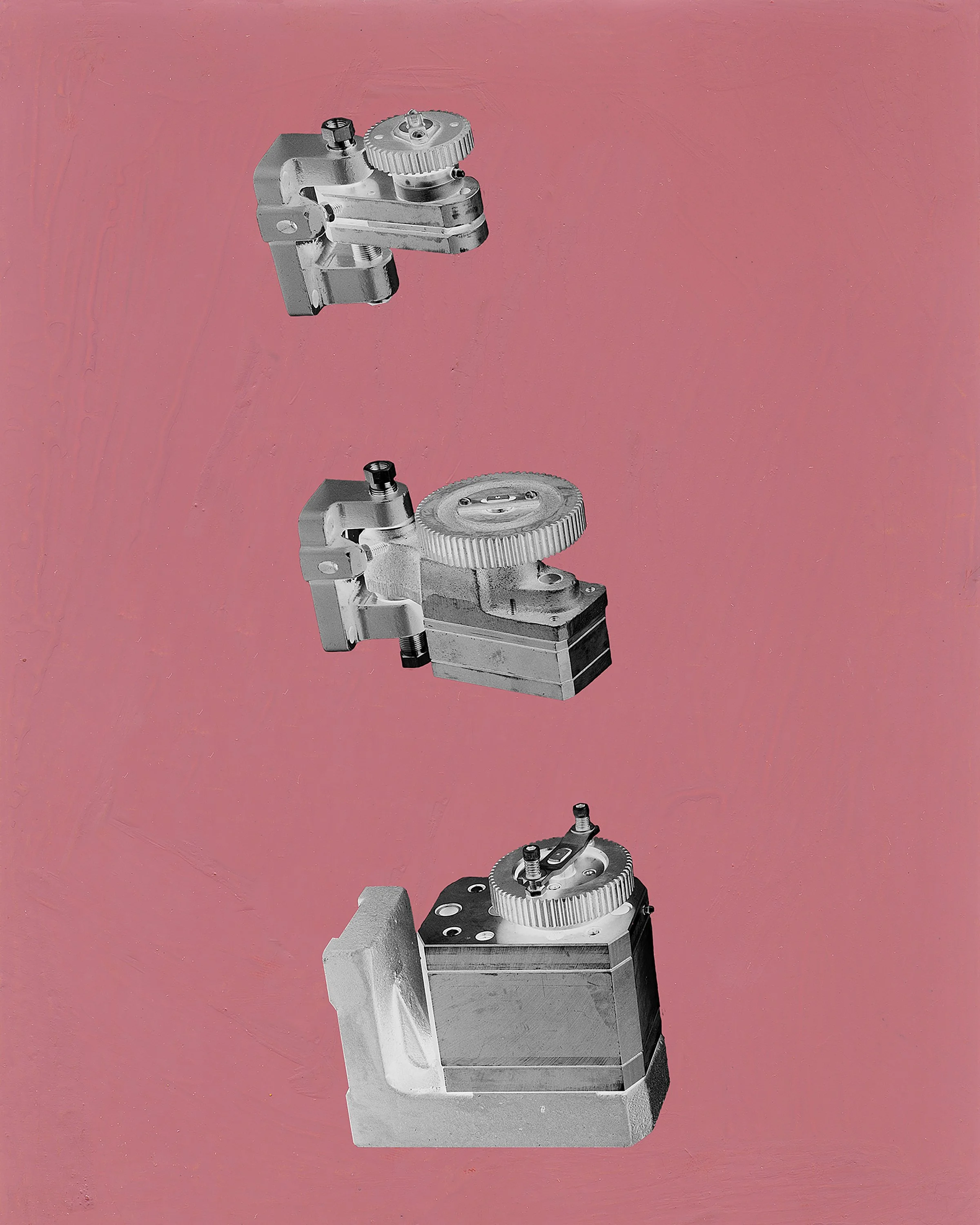
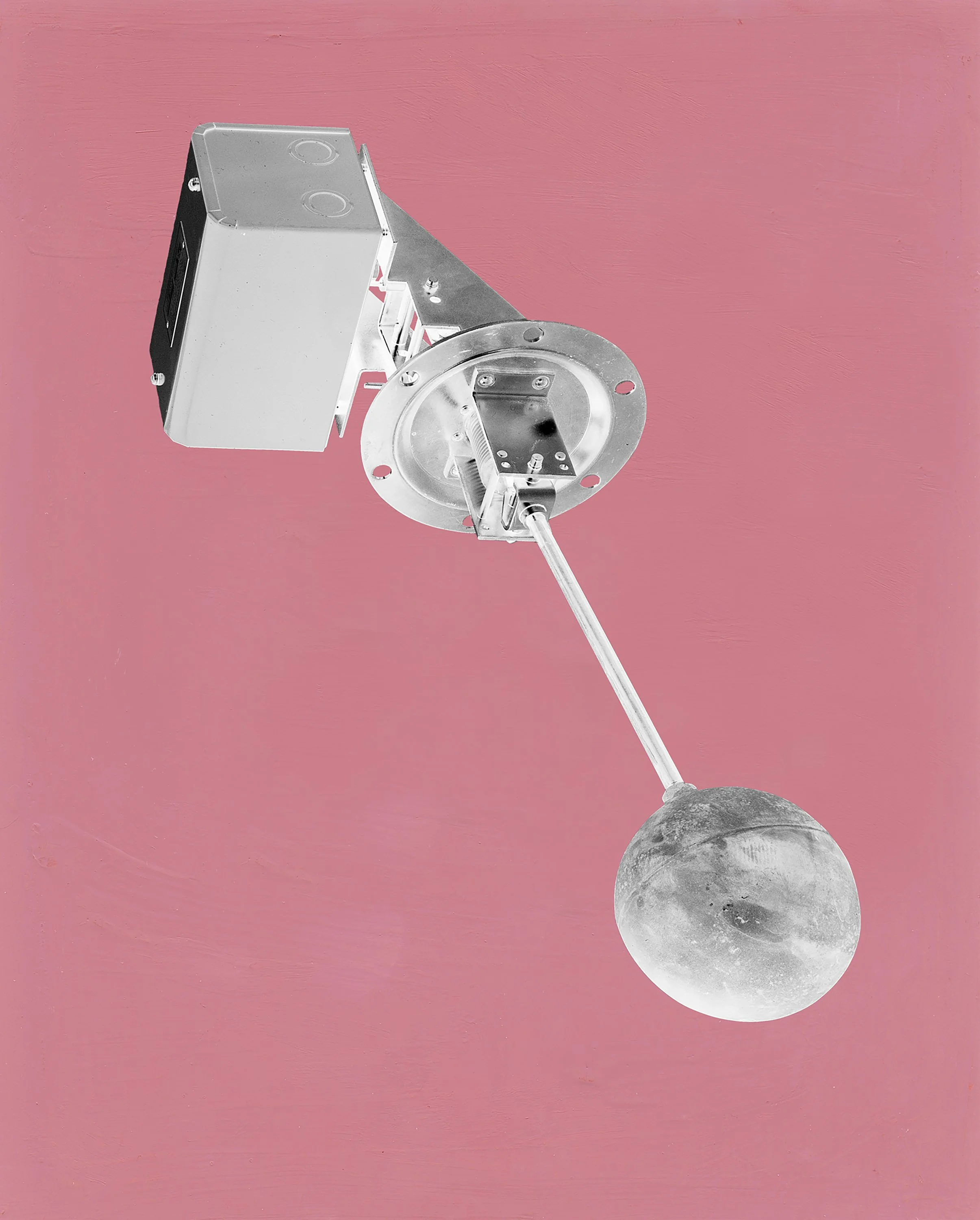
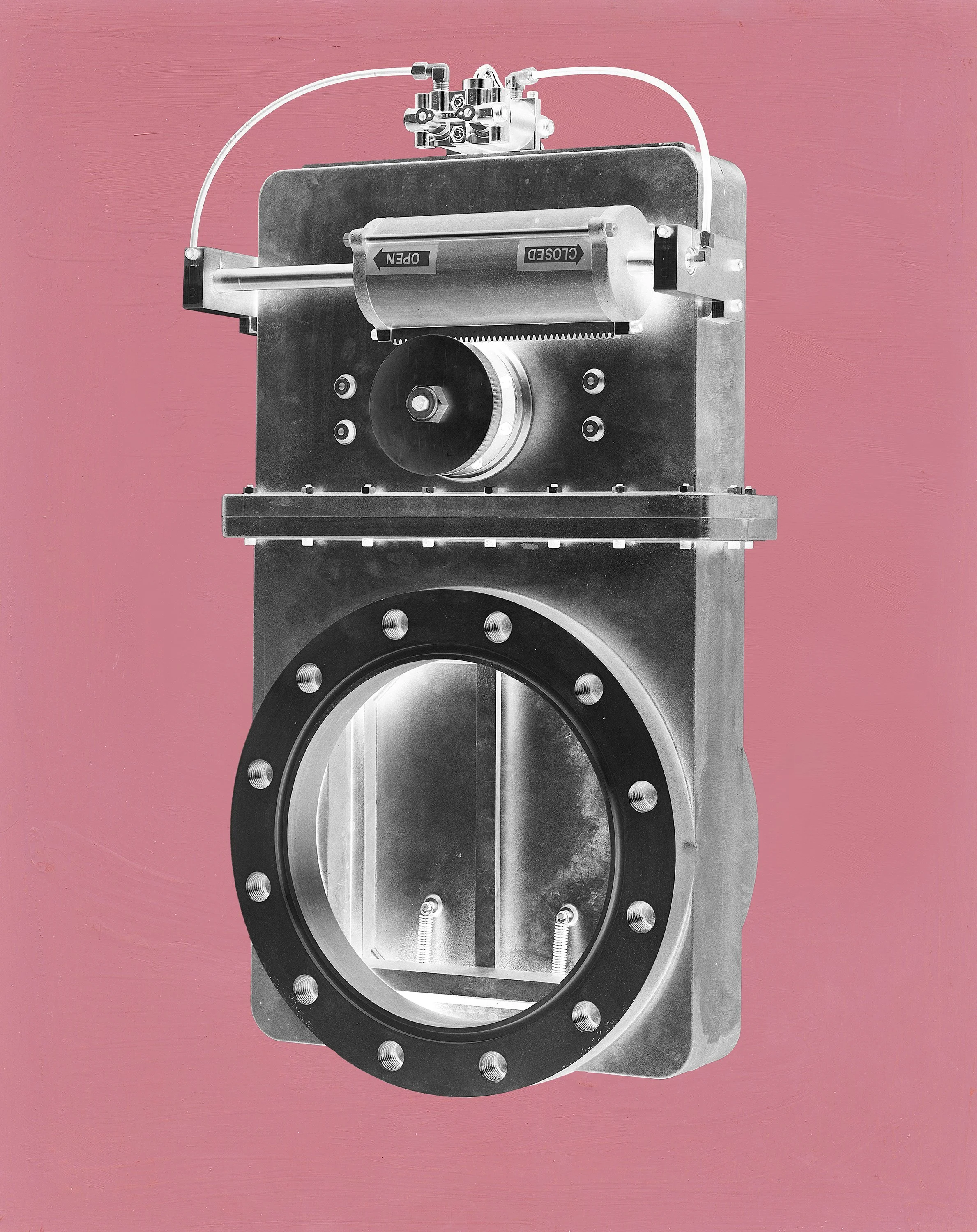
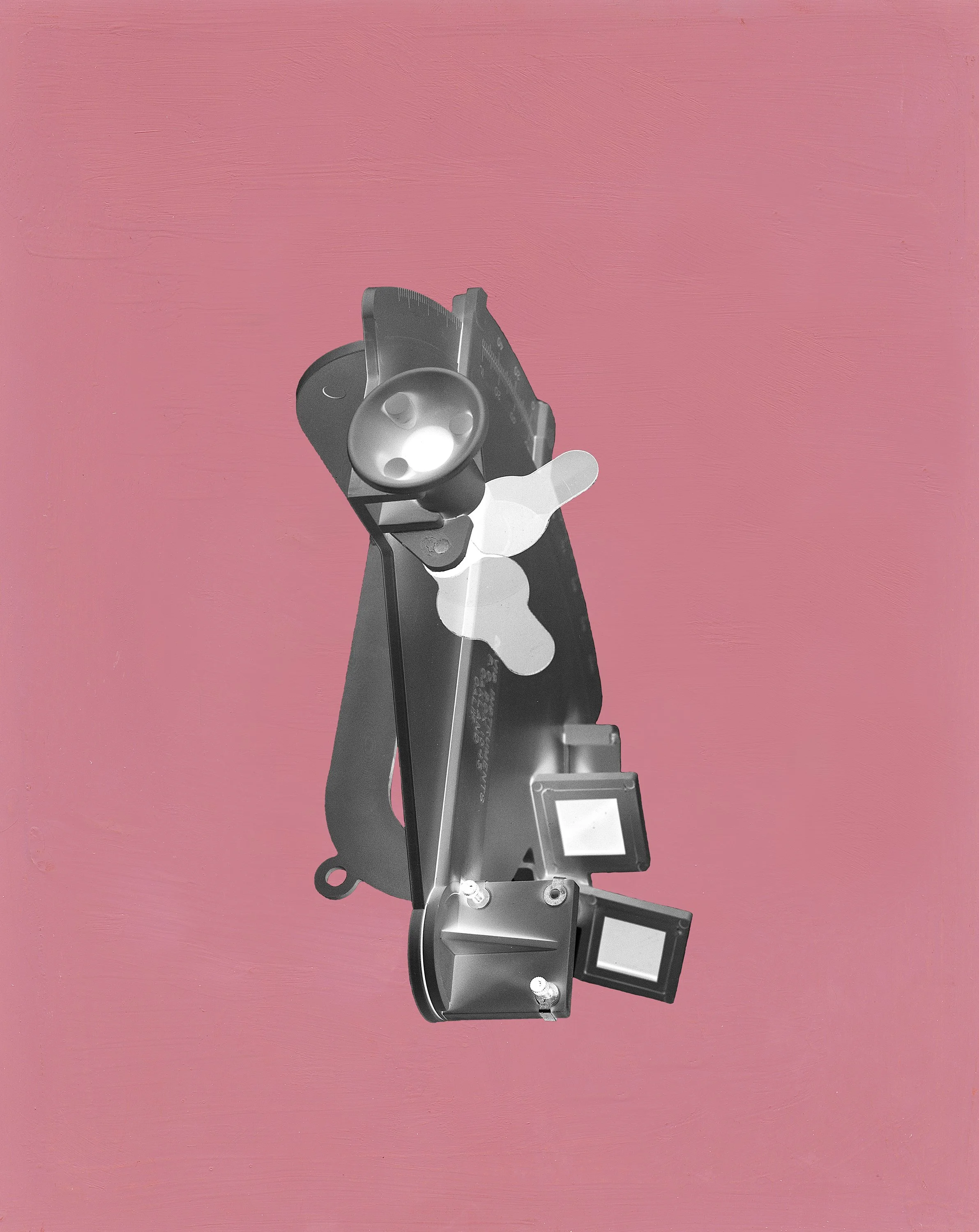
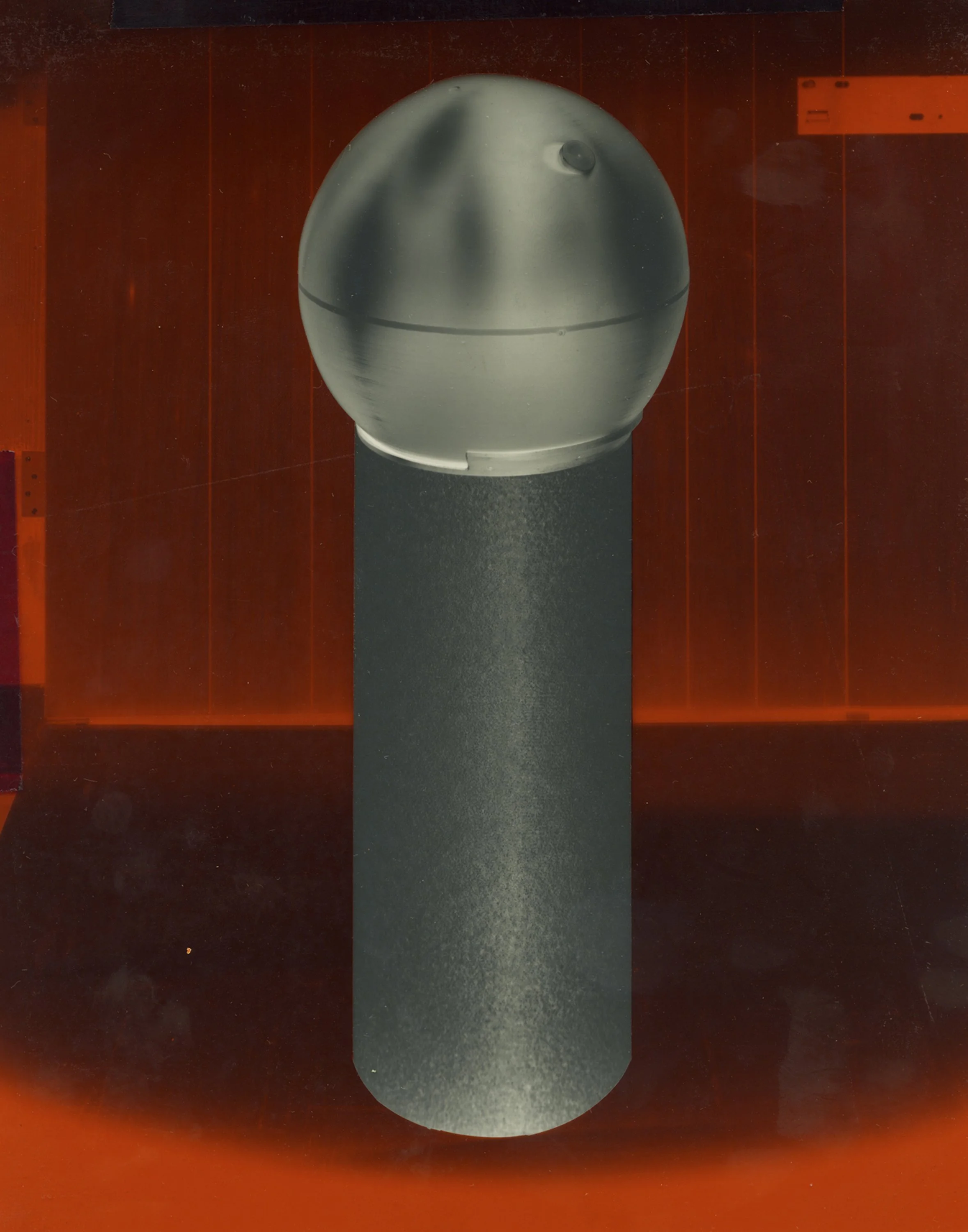
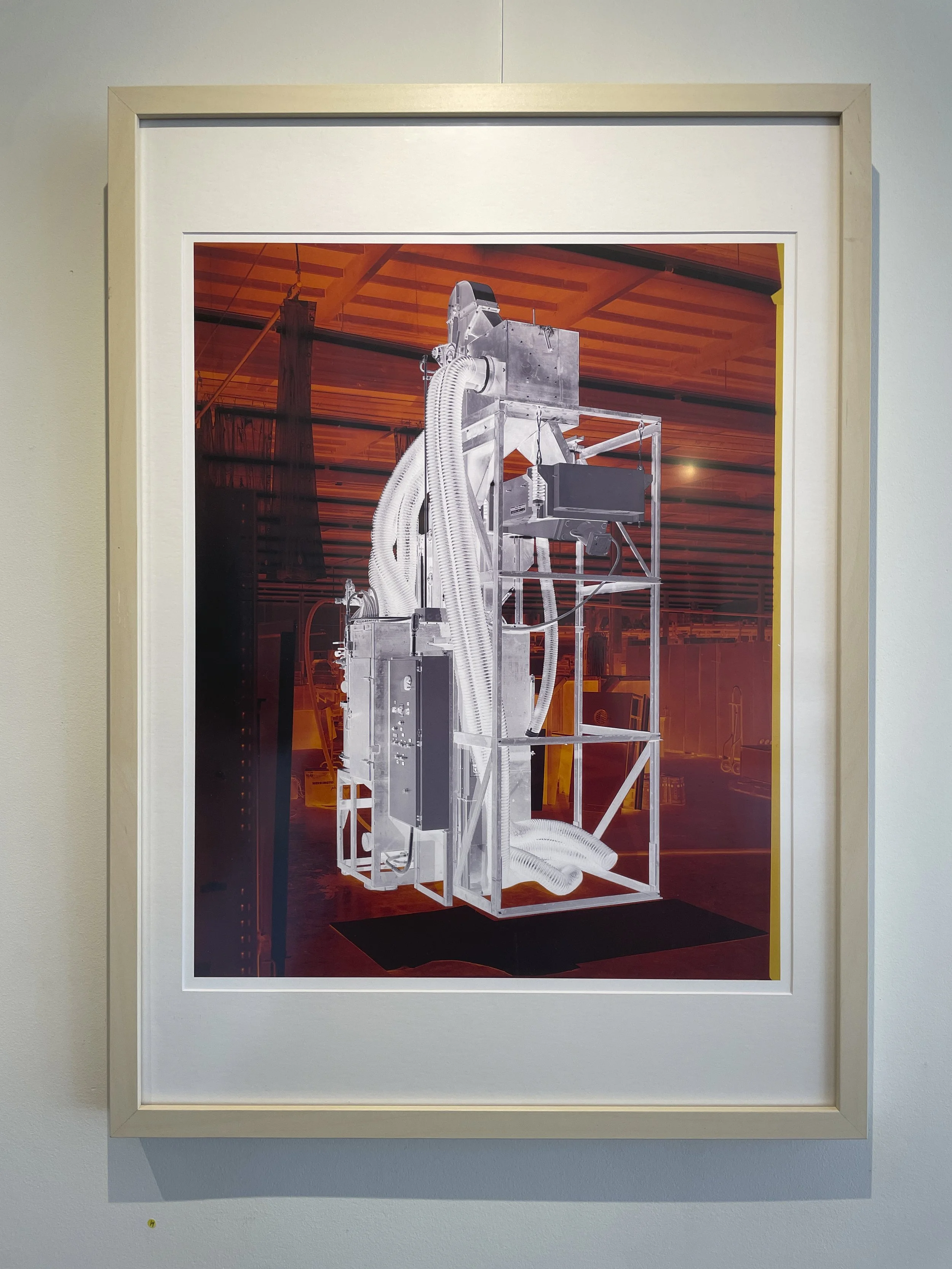
The negatives were made by an unknown commercial photographer and show obscure technical objects. After processing, masking fluids like Biebrich Scarlet or sheets of amberlyth were brushed or cut directly onto the emulsion. When the negatives were contact-printed, the objects stood out cleanly against a white ground. These prints likely appeared in catalogues or manuals.
The masking was meant to disappear, but in the negatives it survives as a set of gestures. There are scalloped borders, brush tremors, and cut lines. Seen today, these traces give the images an unexpected pictorial pop! Enlarged beyond their intended contact-print scale, the marks read as brushwork or sculpture.
I found these negatives not in an archive but on eBay, where they had been scattered into the marketplace without context. Over two years, I assembled roughly 2,500 from a single seller. No records of their maker or client survive. What remains are the objects themselves, detached from their original use and open to new readings.
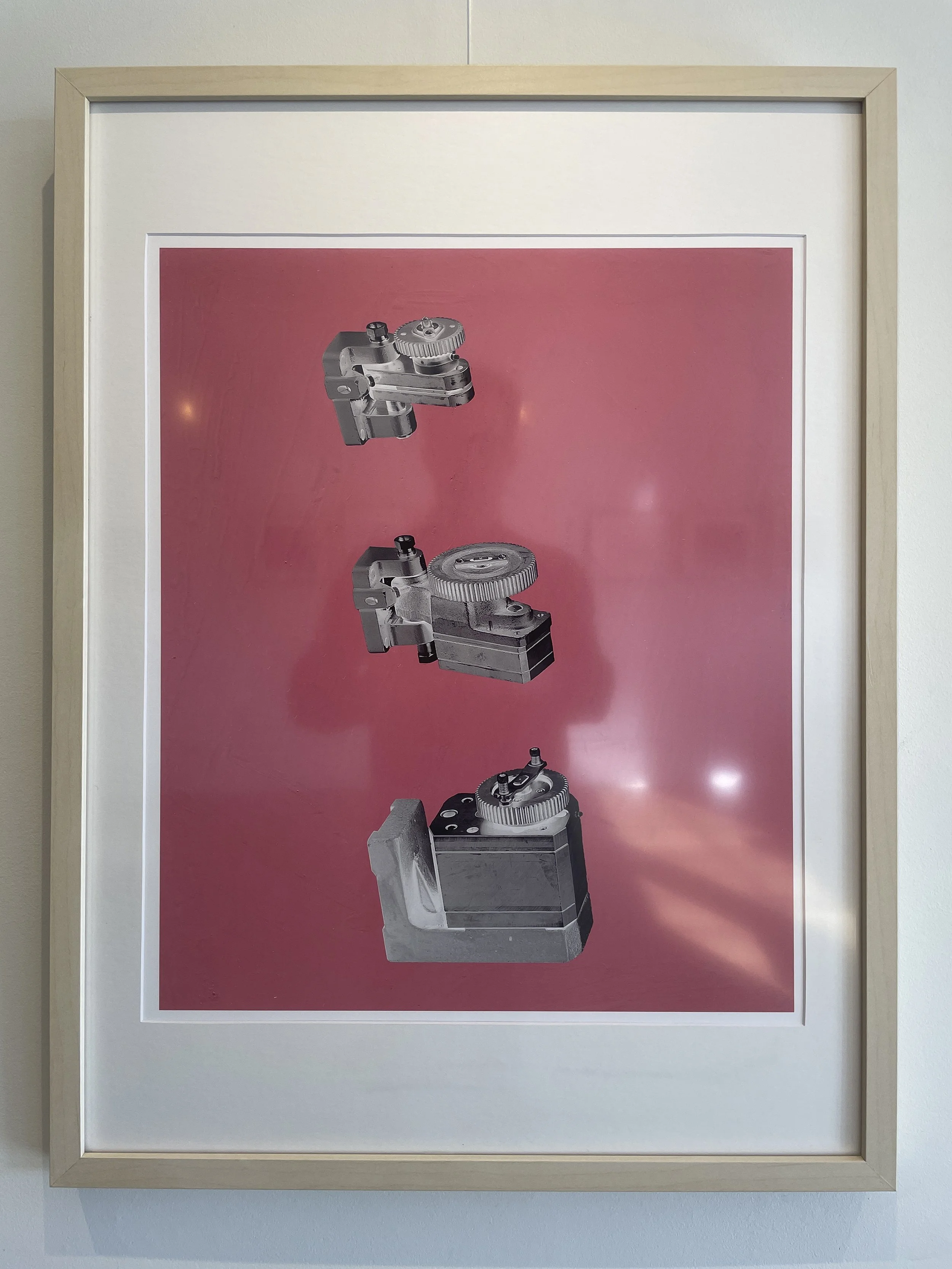
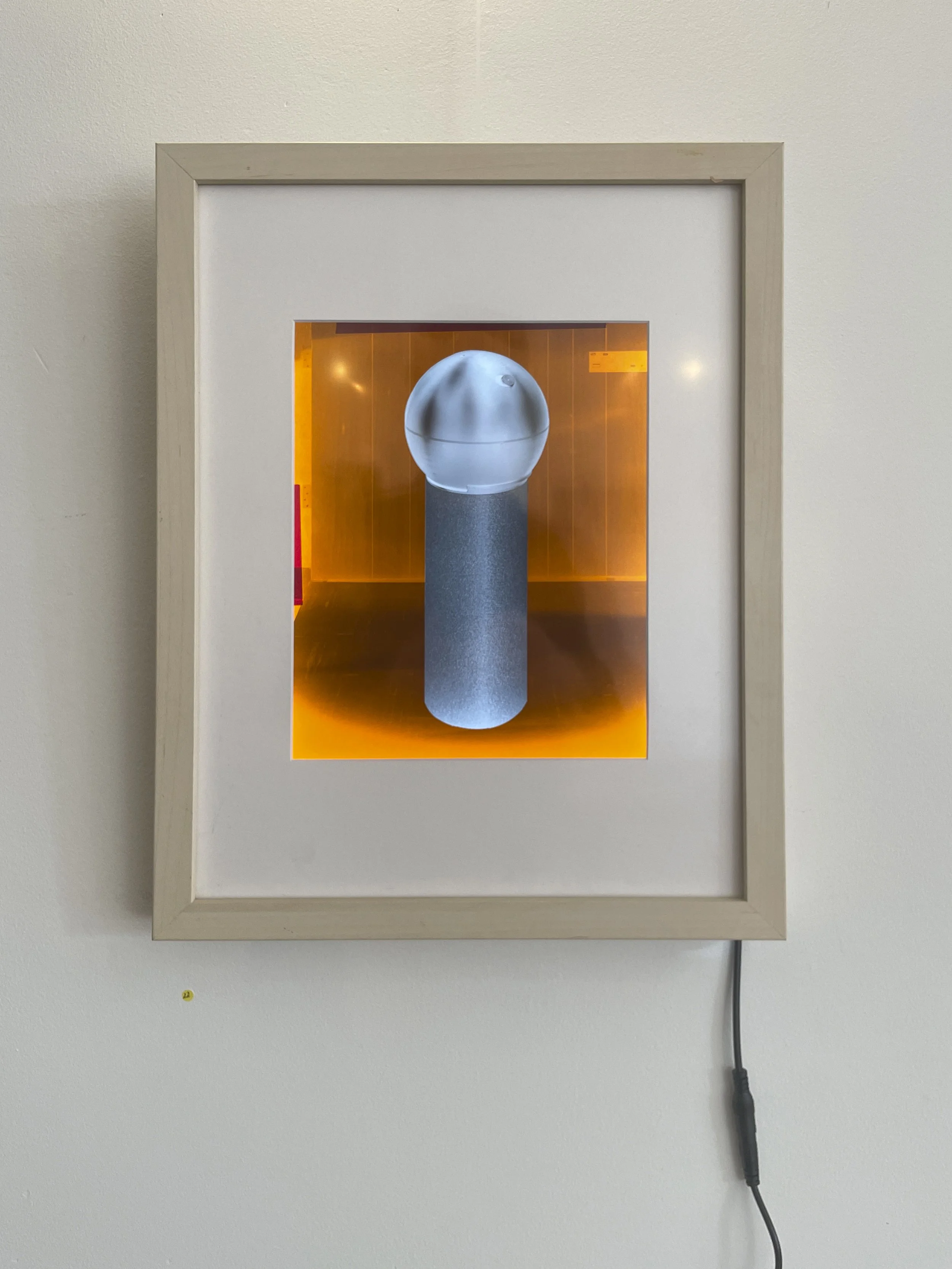
In exhibition, each work is shown as a small constellation: the negative itself on a light box, a straight photographic print, and a large-scale textured print where the masking strokes are rendered in shallow relief (a form of 2.5D printing). This translation lets viewers see and sense the ridges where a technician once moved a brush across film.
The project also proposes a different history of image making. The red “quick mask” familiar from Photoshop is not a digital invention but the continuation of this darkroom practice. What we now do with a mouse or tablet was once done with opaque inks, cut film, and scarlet dyes. By showing the negatives, prints, and reliefs together, “Mask Studies” highlights the overlooked labour that shaped everyday photographs.
And, in an era when images are endlessly copied and manipulated, these works remind us that even the most functional photographs carry traces of hand, tool, and choice. Once invisible intermediaries, the negatives are actually artifacts in their own right: objects where technology and touch, industry and imagination, are held in balance.