
By W.M. Hunt, October 10, 2025
There is a divide in the long, full photographic career of Sir Don McCullin.
His conflict work beginning in the 1960s made from Cyprus to Biafra to The Sudan to Vietnam crackles with clarity, empathy, horror and despair and in their absence: strength, resilience, and even hope. McCullin sees squarely, and he prints his black and white gelatin silver photographs that way. There is no excess. The work is direct.
But the later landscapes and still lifes are different, seen with a sense of the infinite. The focus does not fall off in the distance. He sees past the seeming subject matter and seeks more, searching as far as possible to the earth’s curve. It’s mad. He insists we look as deeply as he does.
His “Meroë, the East Bank of the Nile (Sudan)” 2012 is not one of his iconic images, and it behaves like a tabletop still life of a giant. The scale is unknowable, comic. A pyramid becomes an architect’s drawing toy or the fulcrum of the universe in a magical, uncanny landscape. The horizon pulses with the promise of light; it draws our eye past the middle point on to forever.
This African landscape behaves like his better-known brooding English sloughs; the shadows are crepuscular, and they urge our eye well past the middle distance. Marvel vision.
But all the works in “Don McCullin: A Desecrated Serenity” through November 8 at Hauser & Wirth are intensely felt by the artist. His need and desire to feel give the work its unique presence and bear out his famous statement “photography for me is not looking, it's feeling. If you can't feel what you're looking at, then you're never going to get others to feel anything when they look at your pictures.” These photographs make you feel. And they make you see. This is a special retrospective of some size and with odd ephemera, special because Sir Don doesn’t get shown very often in New York. He is worth keeping in the conversation and should lead it.
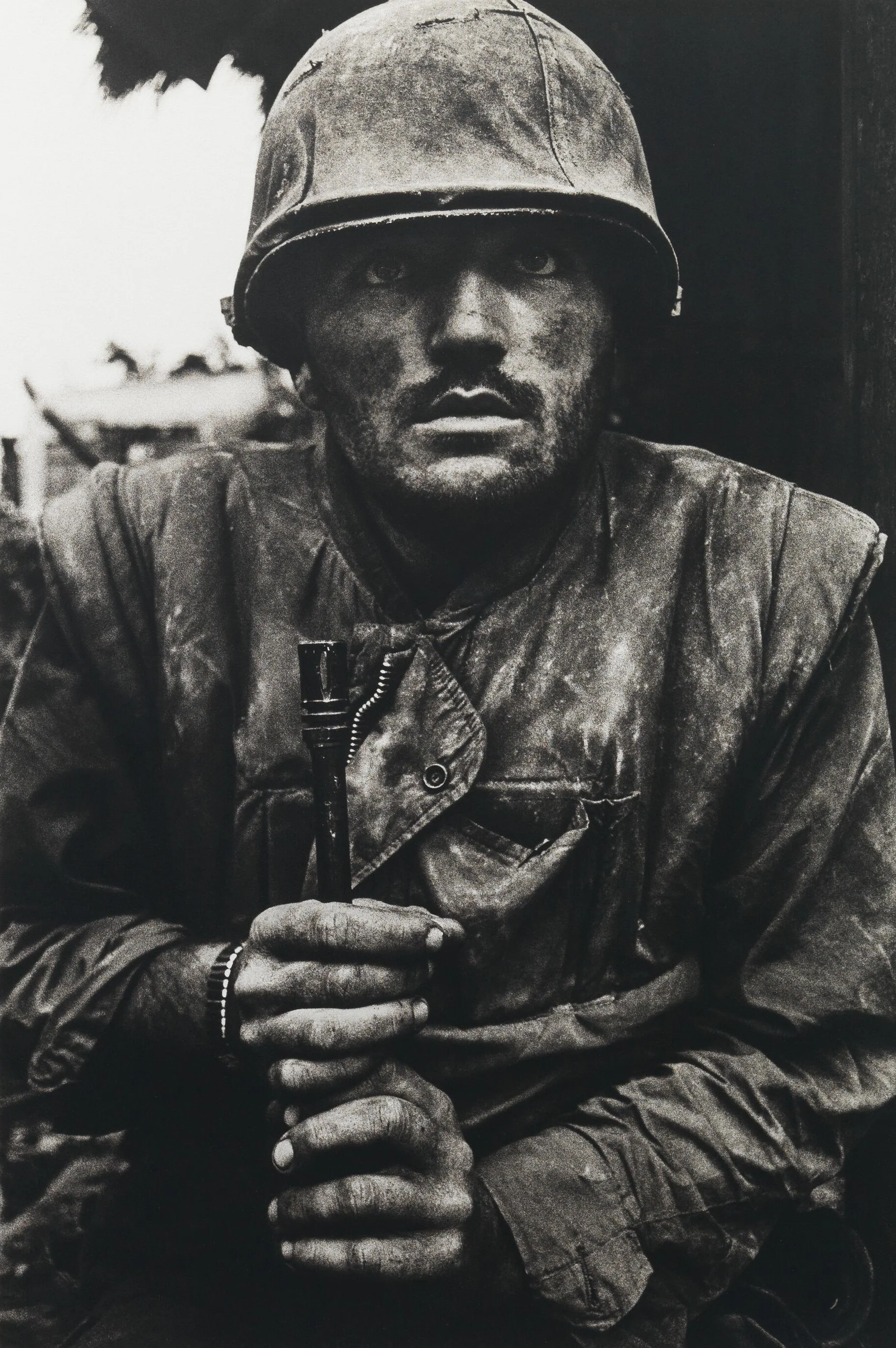
The mix of later platinum prints in this exhibition is frustrating. It might make our eye luxuriate; the prints of the landscape are brooding and haunted. Reconsidering some of the classic conflict work would not. His classic dead eyed “Shell-shocked US Marine, The Battle of Hue” (1968) would not have worked in platinum. The printed image would feel soft and pixilated; the gut punch impact would have been dulled. Not everything translates to this process.
The most recent archaeological sculptural studies present the artist being thoughtful, finding real handsomeness in antique protective armor or statuary. They harken back to 19th Century antecedents like Roger Fenton. The platinum printing works.
Here he is writing about The Sudan landscape in 2022: “I’ve been playing with history, social events, social tragedies, war... in a way it’s almost a full circle of human existence with its stresses and problems and its histories and its architecture. Photography has brought me an education that several universities couldn’t give me… I’m still learning. Every day teaches me something new. I’m searching before I become parchment dust, I’m searching for surprise and joy in discovery.”
The Don is a classic, a Master. He is evidence on the eve of his 90th birthday — 9 October 2025 — that great photographers live forever.
W.M. Hunt is a collector and curator. His most recent exhibition “Order/Chaos-- Photographs of American Groups 1865-1965” is on view in Cortona, Italy until November 2, 2025. https://www.cortonaonthemove.com/en/exhibit/order-chaos/
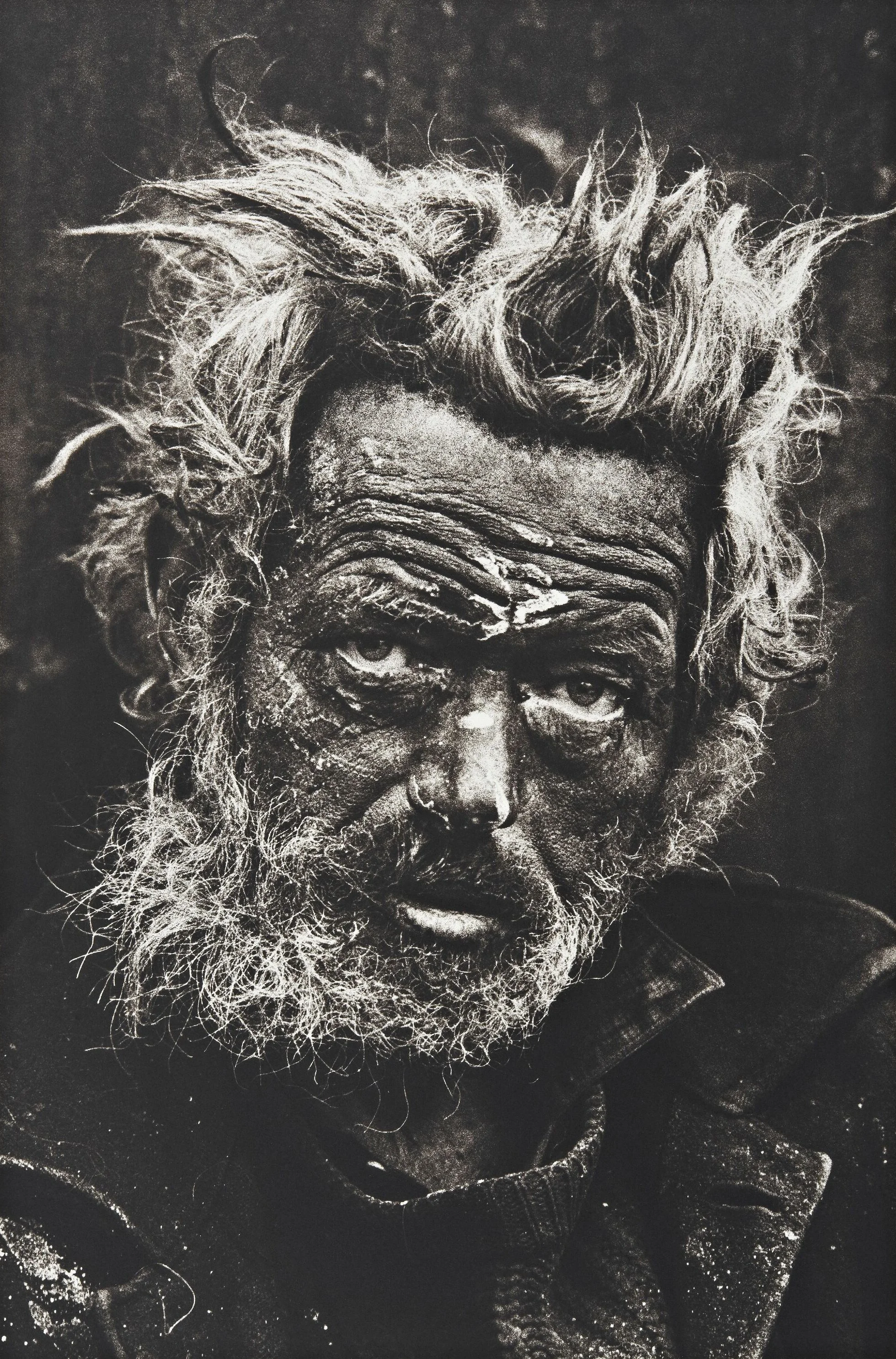
DON MCCULLIN "Homeless Man East London" 1971. © Don McCullin Courtesy the artist and Hauser & Wirth
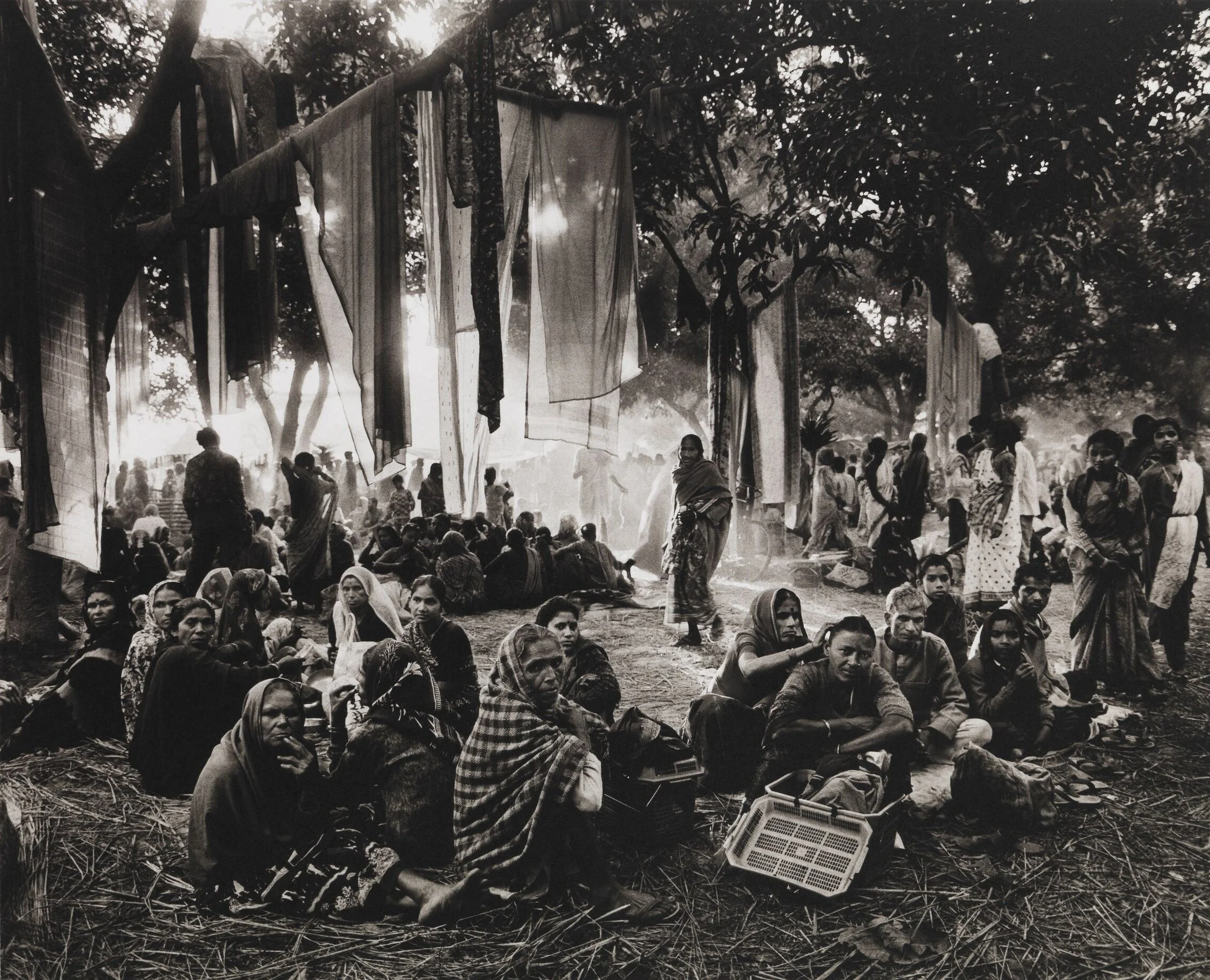
DON MCCULLIN "India, The Great Elephant Festival", 1993. © Don McCullin Courtesy the artist and Hauser & Wirth
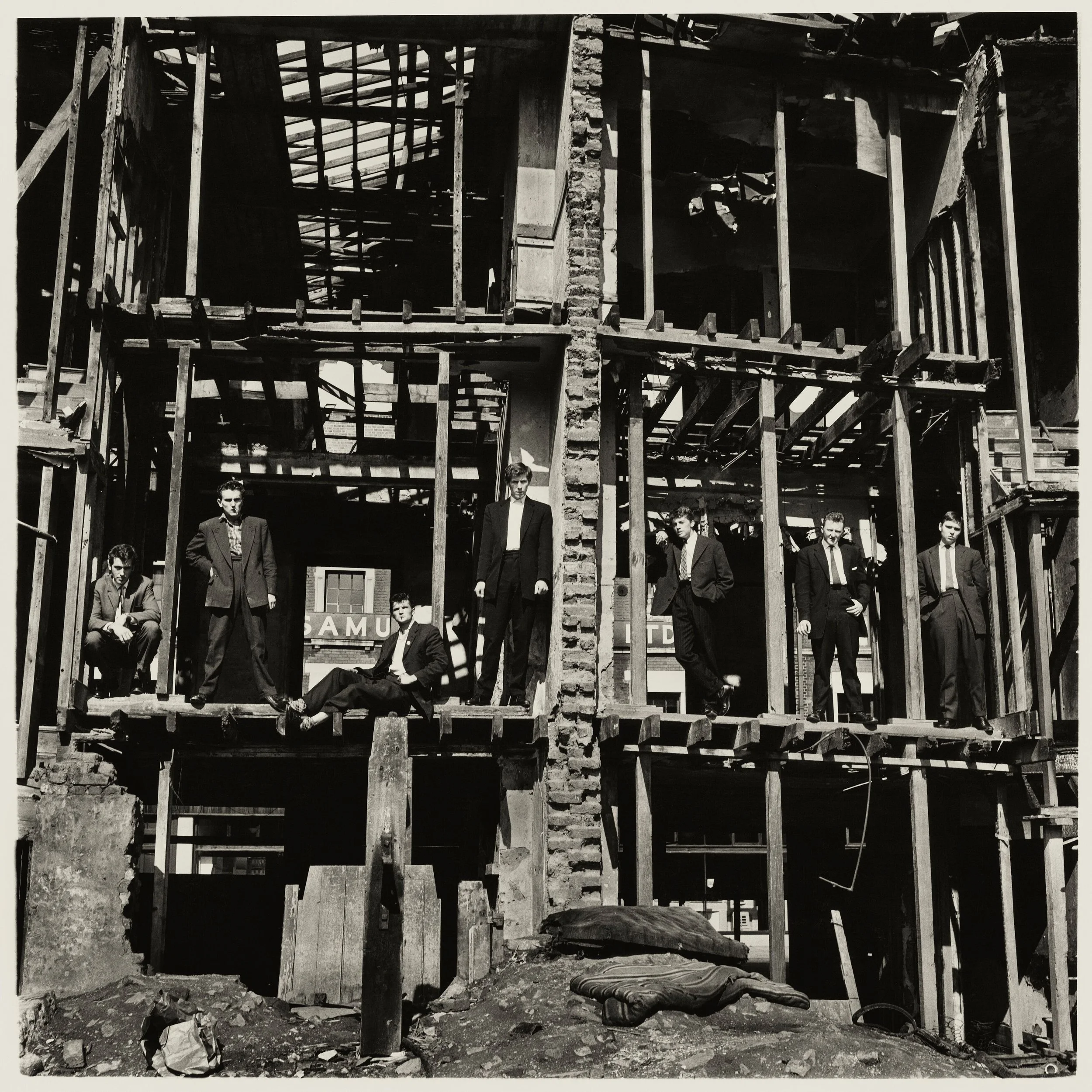
DON MCCULLIN "The Guvnors in their Sunday Suits" 1958. © Don McCullin Courtesy the artist and Hauser & Wirth
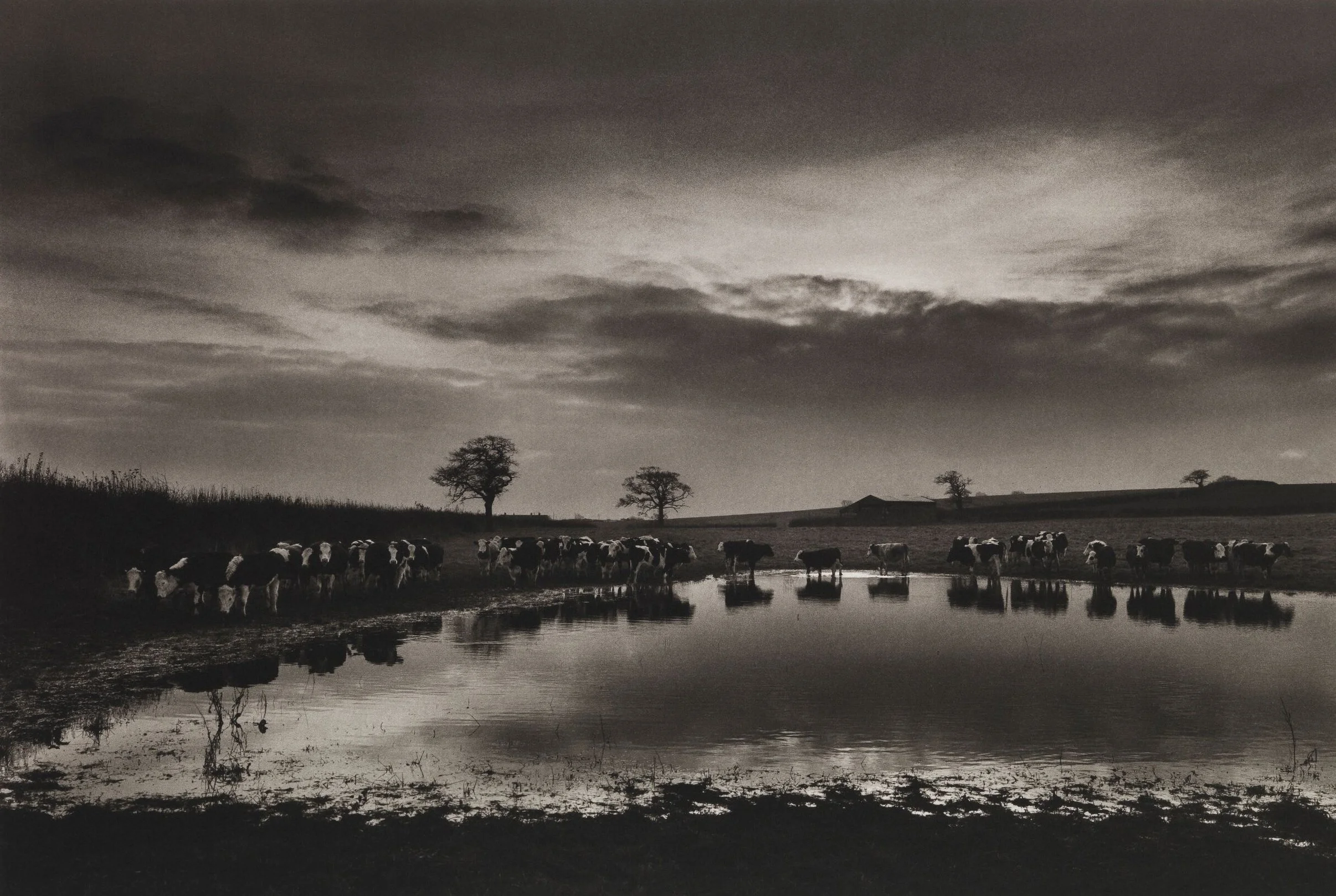
DON MCCULLIN "Upton Noble, Flooding Meadow Somerset" 1992. © Don McCullin Courtesy the artist and Hauser & Wirth