

By Gregory Eddi Jones, October 10, 2025
Four large folding screens stand throughout the gallery, each upholstered in boldly patterned fabrics—mustard yellow scattered with blue flowers, teal grounds blooming with pink, dark florals on navy. Mounted on their surfaces are framed photographs: contorted hands in silvery gelatin prints, archival images of flower arrangements, close-ups of irises. The screens are handsome, well-crafted objects that immediately announce Lisa Oppenheim's central strategy: she's performing Edward Steichen's life (1879-1973) rather than documenting it.
The performance is selective. Oppenheim has bypassed Steichen's iconic achievements; his celebrity portraits for Vanity Fair, his direction of MoMA's photography department, "The Family of Man," and instead excavated his marginal pursuits. In the 1920s, Steichen designed textiles for Stehli Silks, translating photographs of objects such as flowers, gravel, and sugar cubes into repeating patterns for fabric. Oppenheim, working with designer Zoe Latta, has created these patterns based on Steichen’s photographs, printing them on new fabric and building them into the exhibition's architectural framework.
Across these patterned screens we find images of hands, drawn from Steichen’s own photographs of his second wife, Dana Steichen, that Oppenheim re-photographed and solarized. They introduce moments of charged intimacy into the exhibition while nodding to the affections that shaped Steichen’s personal life. The screens become stages for a kind of speculative biography, folding Steichen's life-long interest in floral arrangement as well as his personal love life into Oppenheim's own photographic practice.
This approach raises immediate questions about what we preserve and what we discard when we construct artistic legacies. Steichen's career is typically narrated through his photographs; the towering achievements that secured his place in the modernist canon. But what about the textile designs that didn't sell, the irises he bred that went extinct, the hours spent in the garden rather than the darkroom? Oppenheim suggests that these margins might be more revealing than the center, and that an artist's identity is as much about what they pursued privately as what they exhibited publicly.
By focusing on the shadows and ephemera of Steichen's life, Oppenheim makes a case for biography as an act of imaginative reconstruction rather than dutiful recovery. The most compelling evidence for this argument hangs on the parameter of the gallery space: a series of dye transfer prints depicting AI-generated irises. The backstory is intricate. In 1910, a French horticulturist bred a new iris variety and named it "Monsieur Steichen" in the photographer's honor. The flower is now extinct, and no photographs of it survive. Oppenheim trained an AI model on images of the two parent iris species, generating speculative hybrids of what "Monsieur Steichen" might have looked like. She then printed these digital hallucinations using dye transfer, the same obsolete color process Steichen championed for its tonal richness and permanence.
The irises appear in saturated, unnatural color palettes; electric blue petals against pink foliage, yellow blooms floating over doubled, blurred backgrounds. They glow with an intensity that feels both hyper-real and fundamentally artificial. The AI has produced botanically plausible flowers that never existed, and the dye transfer process gives these ghosts a physical presence no digital screen could match. You're looking at a 19th-century flower breeding project filtered through 21st-century machine learning and rendered with mid-20th-century photographic technology. The temporal collapse is dizzying and deliberate. And the results appear as vestiges of a side of a world, and perhaps a side of a man, that are once unseen and unimagined.
What Oppenheim achieves here is a genuine argument about photographic truth and historical reconstruction. The medium has always promised indexical accuracy—the camera captures what was there—but these prints expose that promise as conditional. The flowers never existed in these exact forms, the image was generated by an algorithm, yet the dye transfer process insists on photographic legitimacy. Oppenheim is essentially asking: if biography is always speculative, always an act of filling in gaps and imagining interior lives, why not make that speculation literal? Why not use the visual tools of our moment to conjure what's been lost? Or perhaps even, what we might imagine has been lost.
Throughout “Ourselves…”, Oppenheim is deeply committed to indirection, approaching Steichen through fragments, traces, and reconstructions rather than confronting his major achievements. They are tactics that seek out hagiography while simultaneously conversing with the man behind the achievements. The presentation is an apparatus with impressive conceptual scaffolding and provocative visual experiences. And together, it encapsulates subtle-but-profound questions about the roles that AI can play in asking new and pressing questions about photography’s stubborn relationships to history.
Oppenheim demonstrates that engaging with a predecessor doesn't require reverence or rivalry; it can be an act of imaginative play, a way of trying on roles and methods to see what fits. By resurrecting Steichen's textile experiments and extinct flowers, she argues that the periphery of a life might be more generative than the center, that what an artist abandoned or failed at can be as instructive as what they perfected. The AI irises, in particular, make visible the speculative core of all biographical projects: we can never fully know another's life, so we build plausible fictions from what remains. Oppenheim has made the fiction-making process literal, and in doing so, she's created something genuinely new from Steichen's archival debris.
Gregory Eddi Jones is an artist, writer, and publisher. His photographic work has been published in the British Journal of Photography, Dear Dave, magazine and Foam Magazine, and he has contributed writing to Afterimage, Paper Journal, and Unseen Magazine.
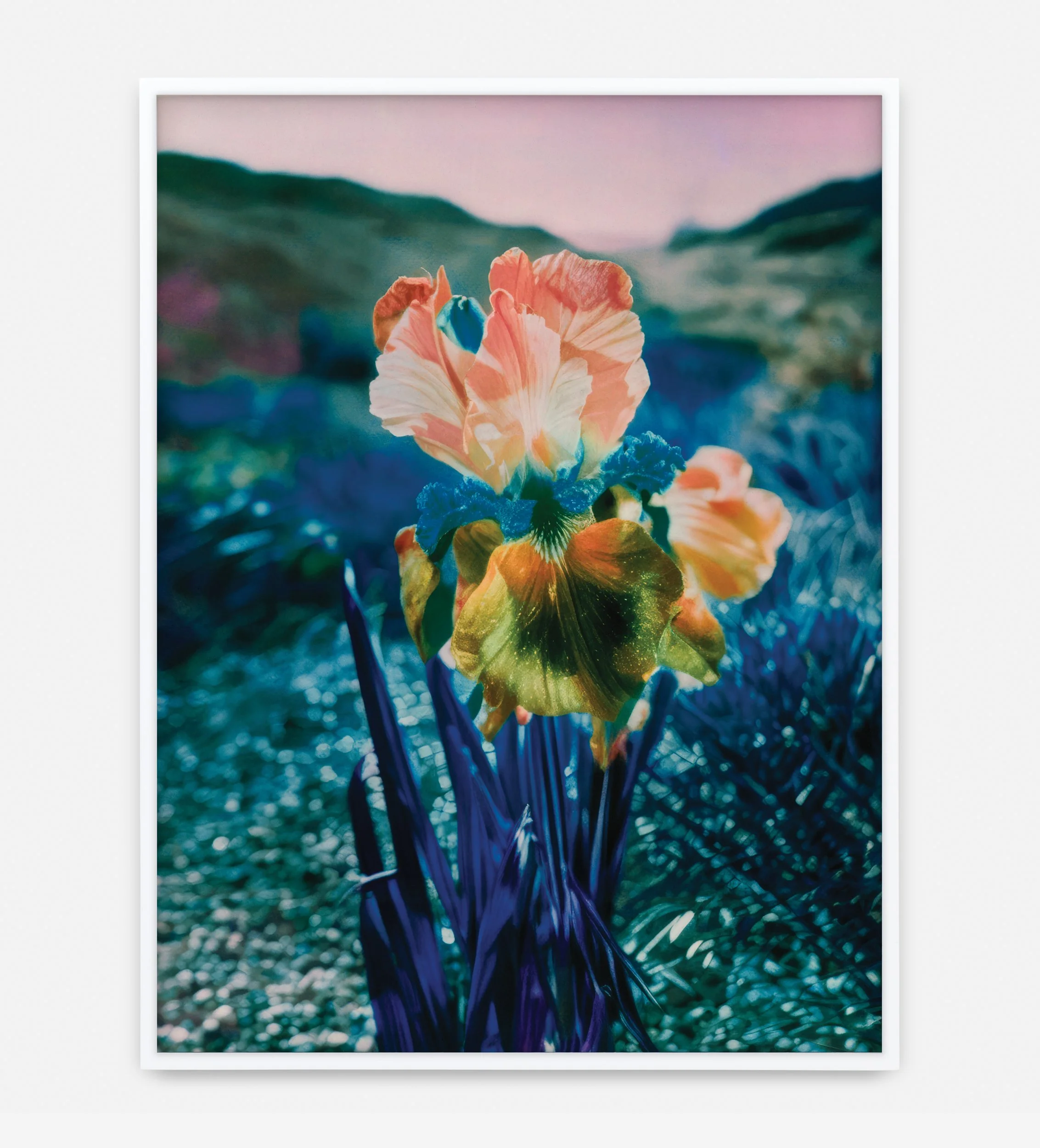
LISA OPPENHEIM "Madamm Steichen Version I", 2025. Courtesy the artist and Tanya Bonakdar Gallery, New York
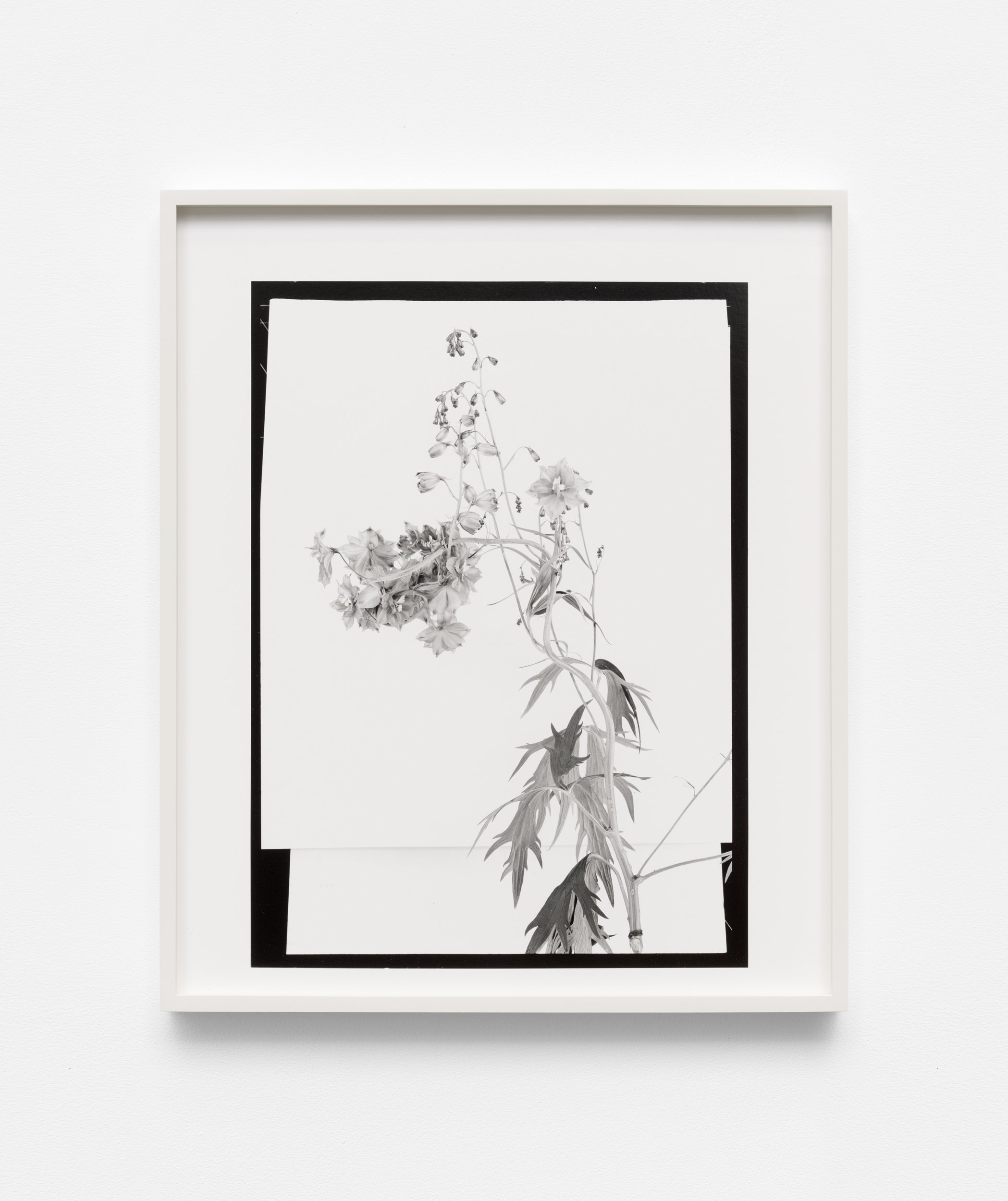
LISA OPPENHEIM "Mlle Steichen Version XIV" 2025. Courtesy the artist and Tanya Bonakdar Gallery, New York
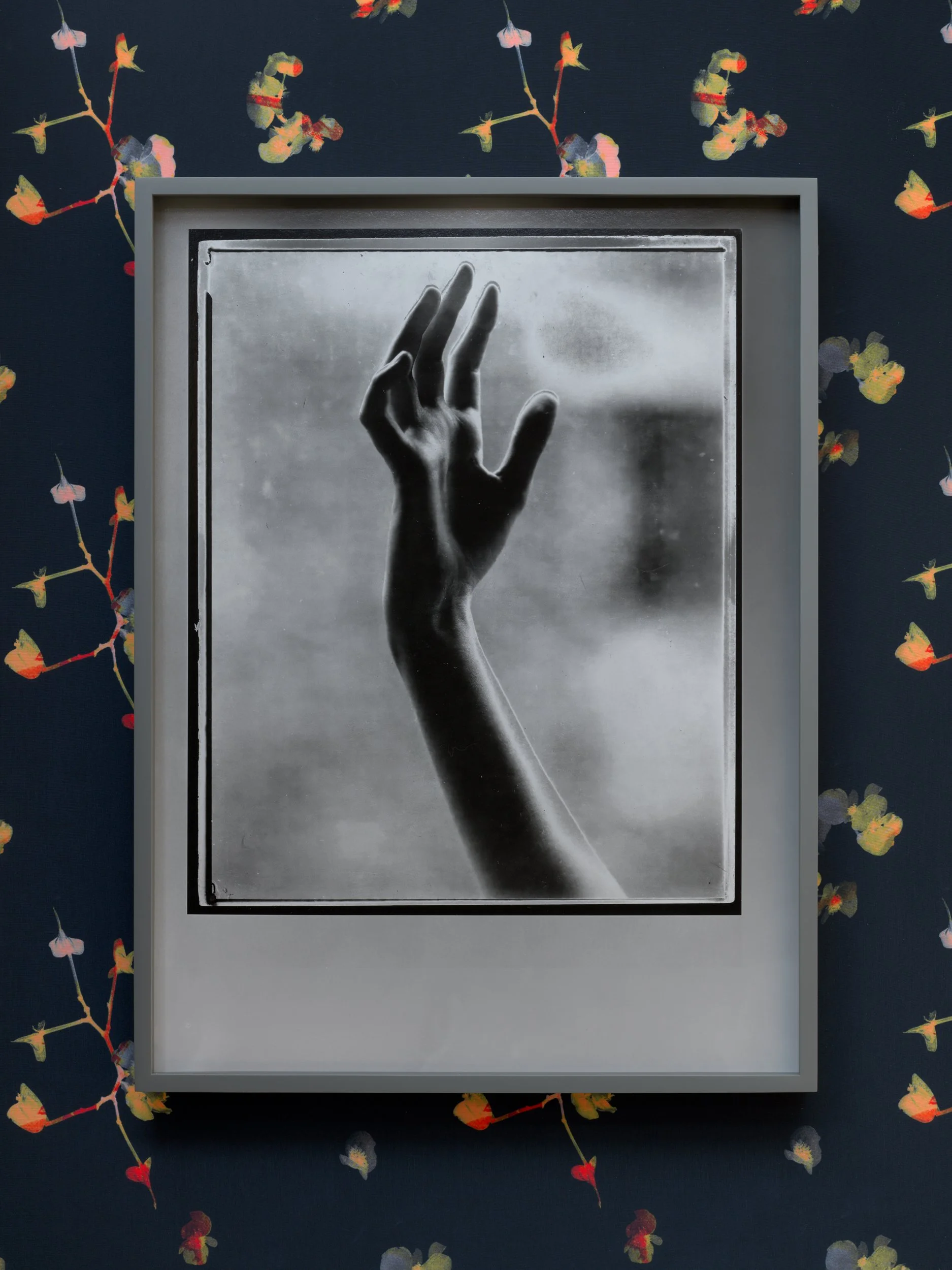
LISAOPPENHEIM "Dana Steichen's Hands on Stehli Silks, the MoMA Years (detail)" 2025. Courtesy the artist and Tanya Bonakdar Gallery, New York
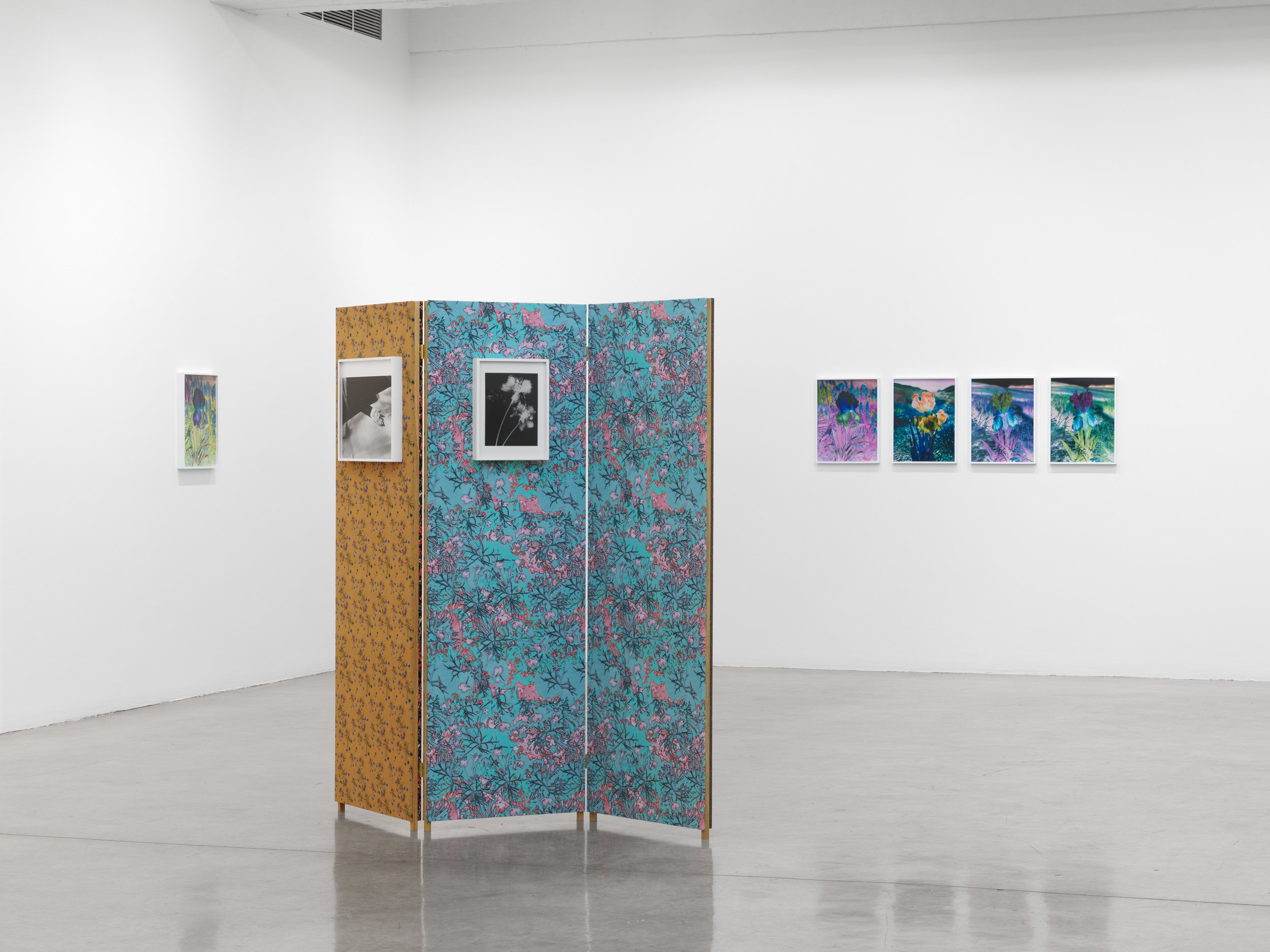
INSTALLATION PHOTOGRAPH LISA OPPENHEIM “OURSELVES AND THE EXPRESSION OF OURSELVES” Courtesy the artist and Tanya Bonakdar Gallery, New York