

By Aaron Peck, September 10, 2025
Along the arcade of rue de Castiglione, amid luxury brands and hotels, the Gagosian gallery location is so small there is almost no need to enter. Its windows seem to be enough. Andreas Gursky was certainly playing with that fact because his major work on display through August 30, which can easily be seen from the street, is also of windows: “Montparnasse 2” (2025), a recent photograph of a building in the Paris neighbourhood he first took in 1993. The large print depicts the many living spaces of a large apartment, each window a picture within a picture. Seen from outside, the placement of this updated version produces a mise-en-abyme: frames within frames within frames. Ringing the bell to enter, though, brings it into dialogue with three other images: two of stovetops as well as one of the moon.
Inside, the juxtaposition seems almost incongruously poetic. Moons are, after all, a cliché of poetry. Stovetops are not. “Montparnasse 2” feels too big for the space, as if it is best seen from the exterior. There is in the gallery hardly enough depth to stand far enough back to grasp the whole composition. Yet – no doubt intentionally and quite brilliantly – as a result, the viewer is forced to explore its details. Each window frames a different picture, becoming a montage of miniatures. Some have closed curtains. In others, infants gaze outward while adults look inward. There are rooms with piles of documents and books, even a maquette of buildings. Computers absorb the attention of teleworkers. Mattresses abut windows; plants furnish the corners of others. There is even in one a small poster of the Eiffel Tower, facing outward.
This new panorama, which gives the appearance of a photoshopped montage, brings to mind his earlier one, “Paris, Montparnasse” (1993), although that is not on display here. Looking at this updated version, taken over thirty years later, begs comparison to the details of its precursor, which, to some degree, now feels dated. This is heightened by exhibiting it with two stovetop photographs. Both mimic advertising photography – a sort of reworking of New Objectivity that Gurksy has pursued throughout his career. One of them is of a new electric model, “Electric Cooker” (2025), in the corner of which sits a tiny fly, while the other is an older twentieth-century gas stove, “Gas Cooker” (1980), both reminiscent of the work of Christopher Williams. But, here again, Gursky is returning to an earlier subject and remaking it. The contrast highlights the changes that occur within our lived spaces – how industrial design alters the feel of our interiors, much like the difference of details between his two prints of Montparnasse.
The moon, then, feels like a red herring, but it connects in a surprising way. The print, entitled “Maldives” (2023), appears to be taken with a low-resolution camera, perhaps even a phone, and yet it is presented at a rather large scale for the image quality, 42 by 35 inches. So, getting close to it reveals blurry pixelation, while farther back it resolves. In this way, “Maldives” also plays with how we look at images: much like the installation of “Montparnasse 2”, or the differences between the two stovetops, together the pieces invite comparison and explore scale, perspective, even time. They encourage us to consider our relationship with how pictures represent a passing world.
And then, from rue de Castiglioni, passersby glance, sometimes gawk, but they rarely enter. The French phrase for “going window shopping” is faire du lèche-vitrine, which literally means “to do some window-licking.” It is a far more evocative term than the rather prosaic English one. And yet, it takes on another resonance in contemporary Paris, which is becoming even less affordable, where those surfaces are often cleaned by workers, some of whom have recently been released from prison, unable to find much steady work, others who do not have their official papers. They knock on the doors of establishments and ask if the proprietors would like their services while the lèche-vitrine of tourists, shoppers, and other city dwellers provide a far more metaphorical form. It is hard to imagine this irony was lost on Gursky.
Aaron Peck is the author of Jeff Wall: North & West (2016). His writing frequently appears in the TLS, Frieze and Aperture.
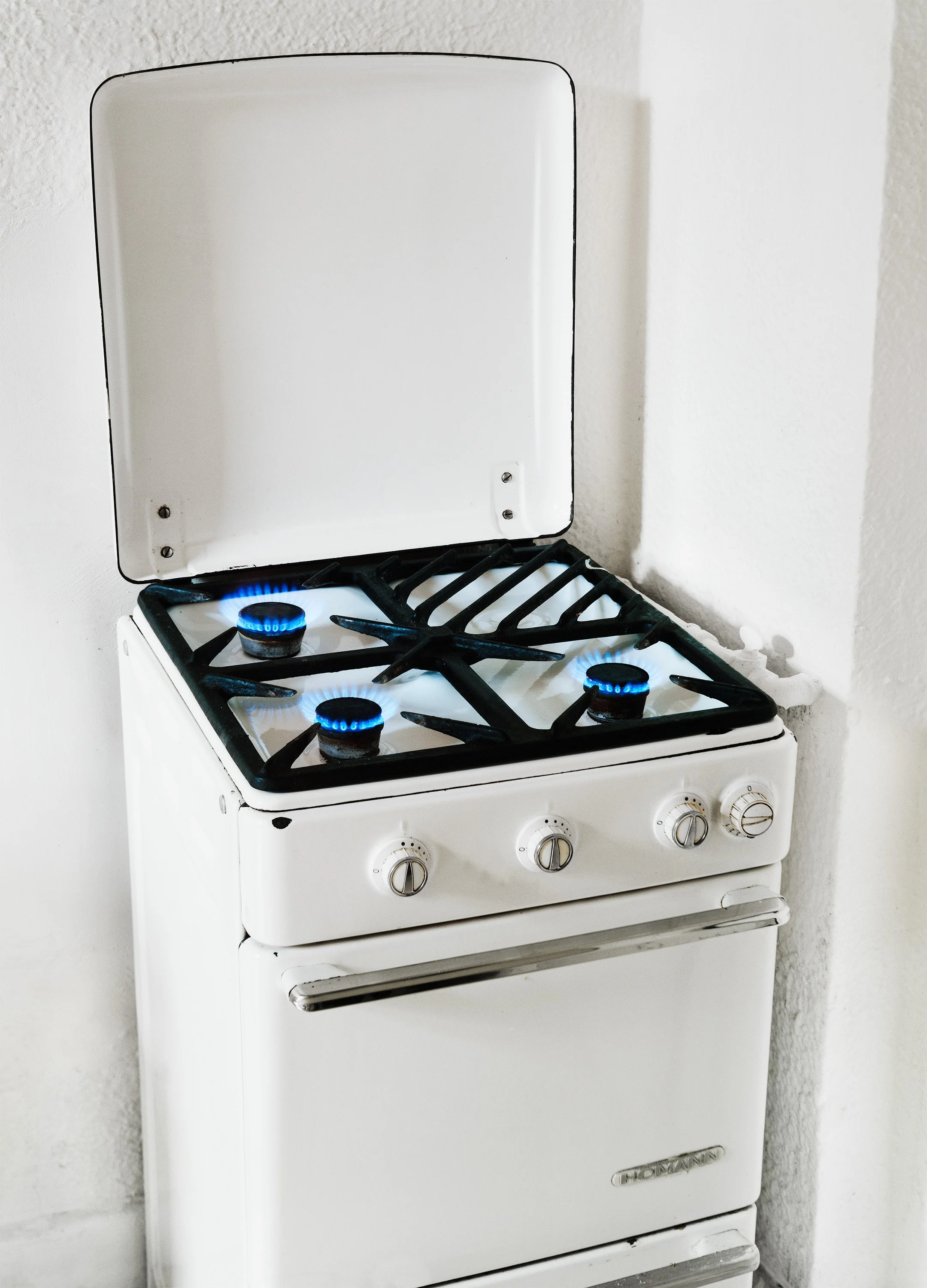
ANDREAS GURSKY "Gasherd (Gas Cooker)" 1980. Courtesy Gagosian Gallery, Paris.
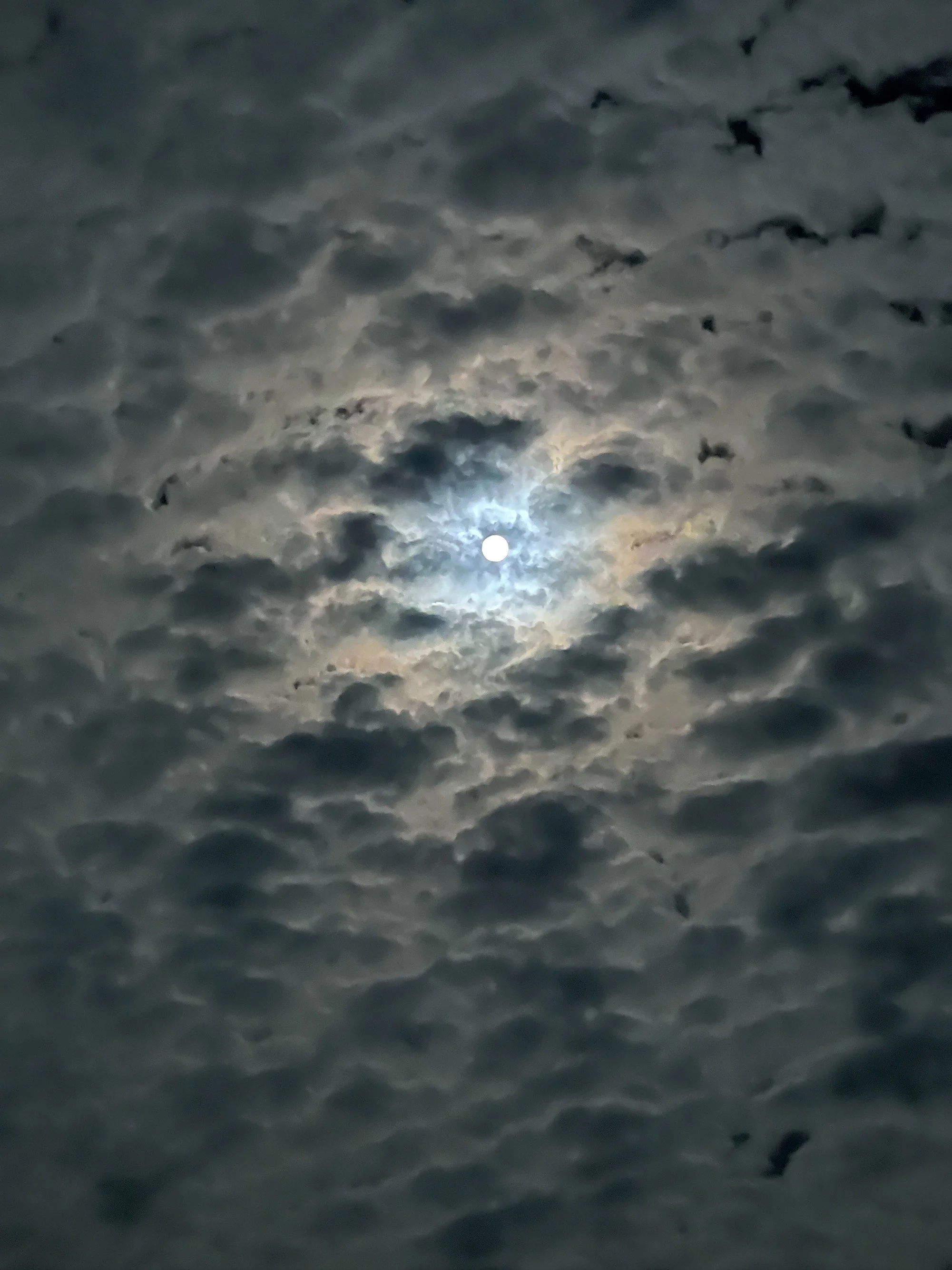
ANDREAS GURSKY "Malediven (Maldives)" 2023. Courtesy Gagosian Gallery, Paris.
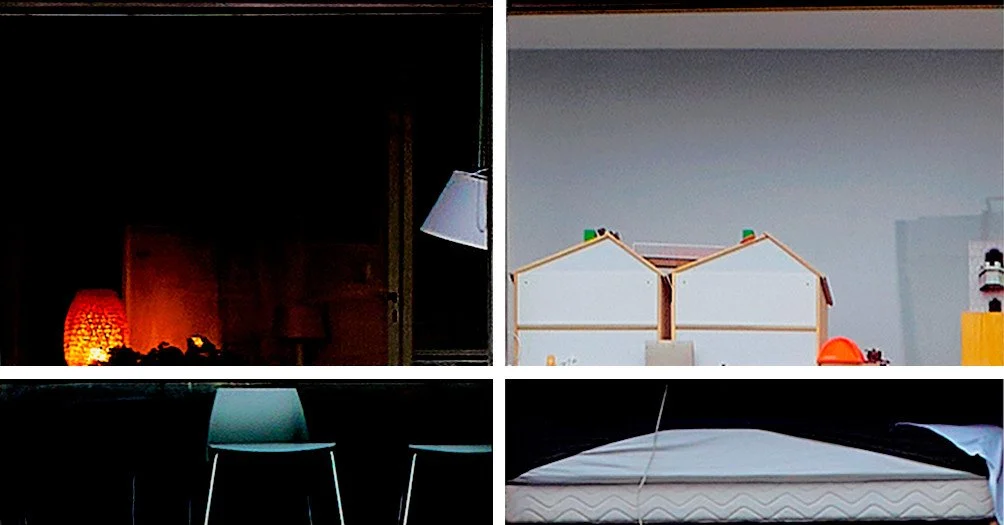
ANDREAS GURSKY "Montparnasse II" (detail),2025. Courtesy Gagosian Gallery, Paris.
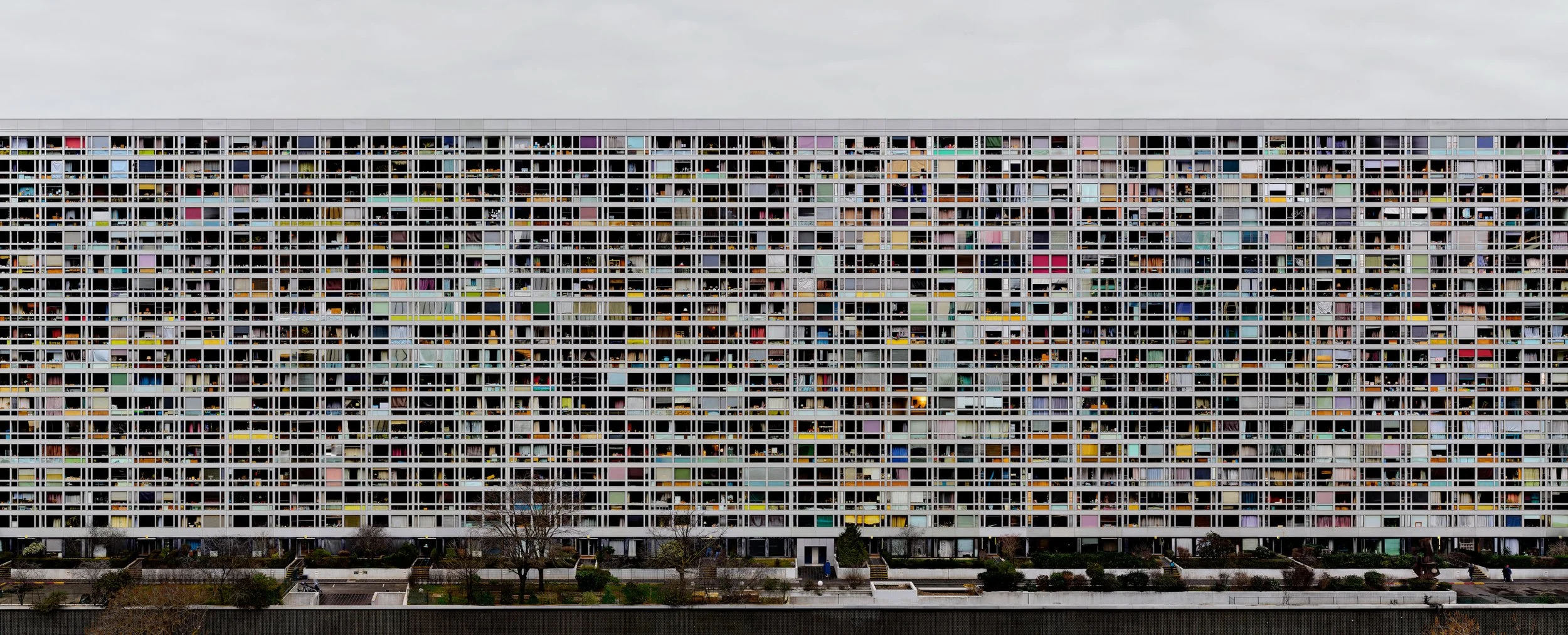
ANDREAS GURSKY "Montparnasse II" 2025. Courtesy Gagosian Gallery, Paris.
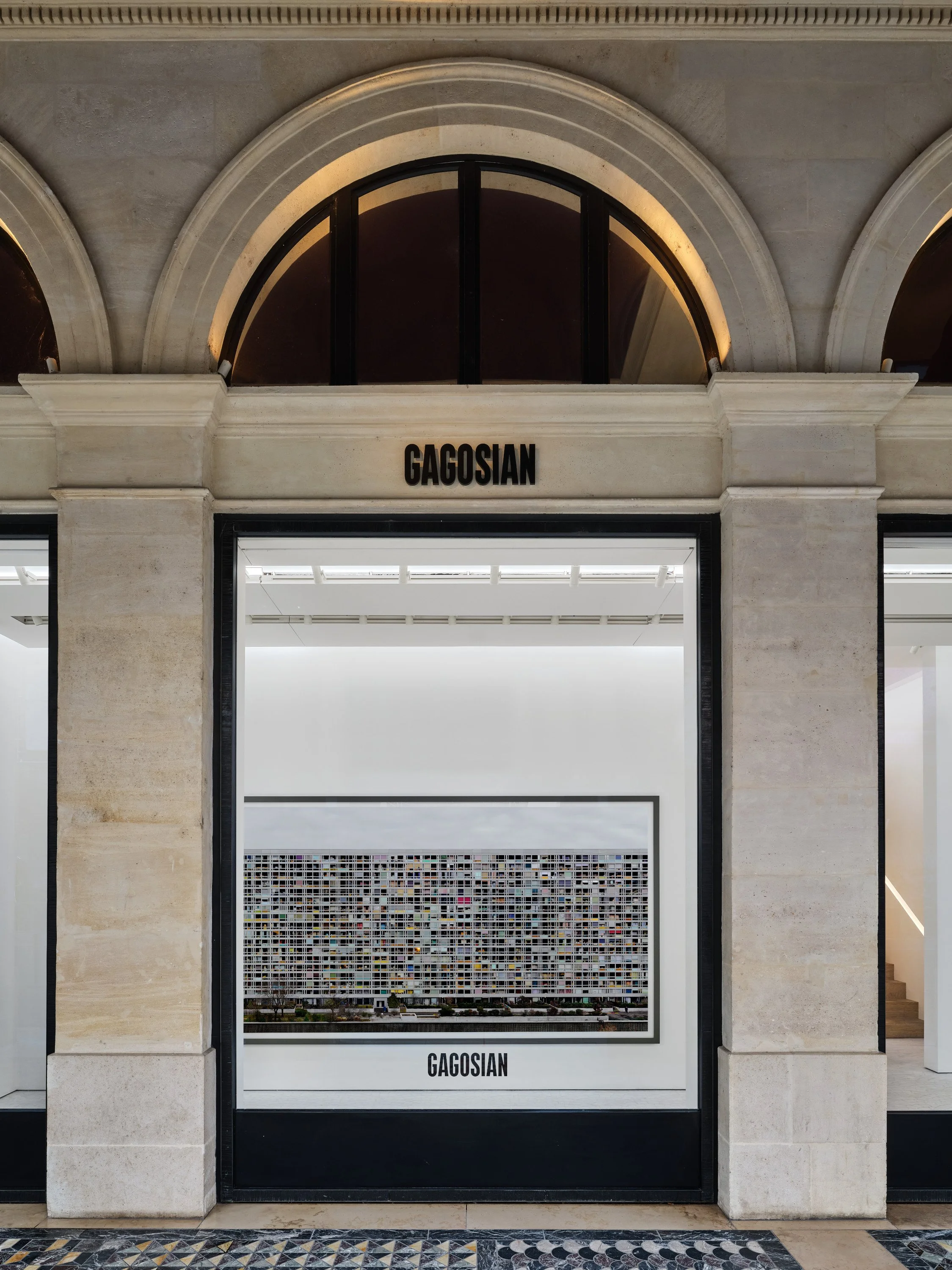
ANDREAS GURSKY Installation View, Gagosian Gallery, Paris.