
By Cynthia Stucki February 10, 2026
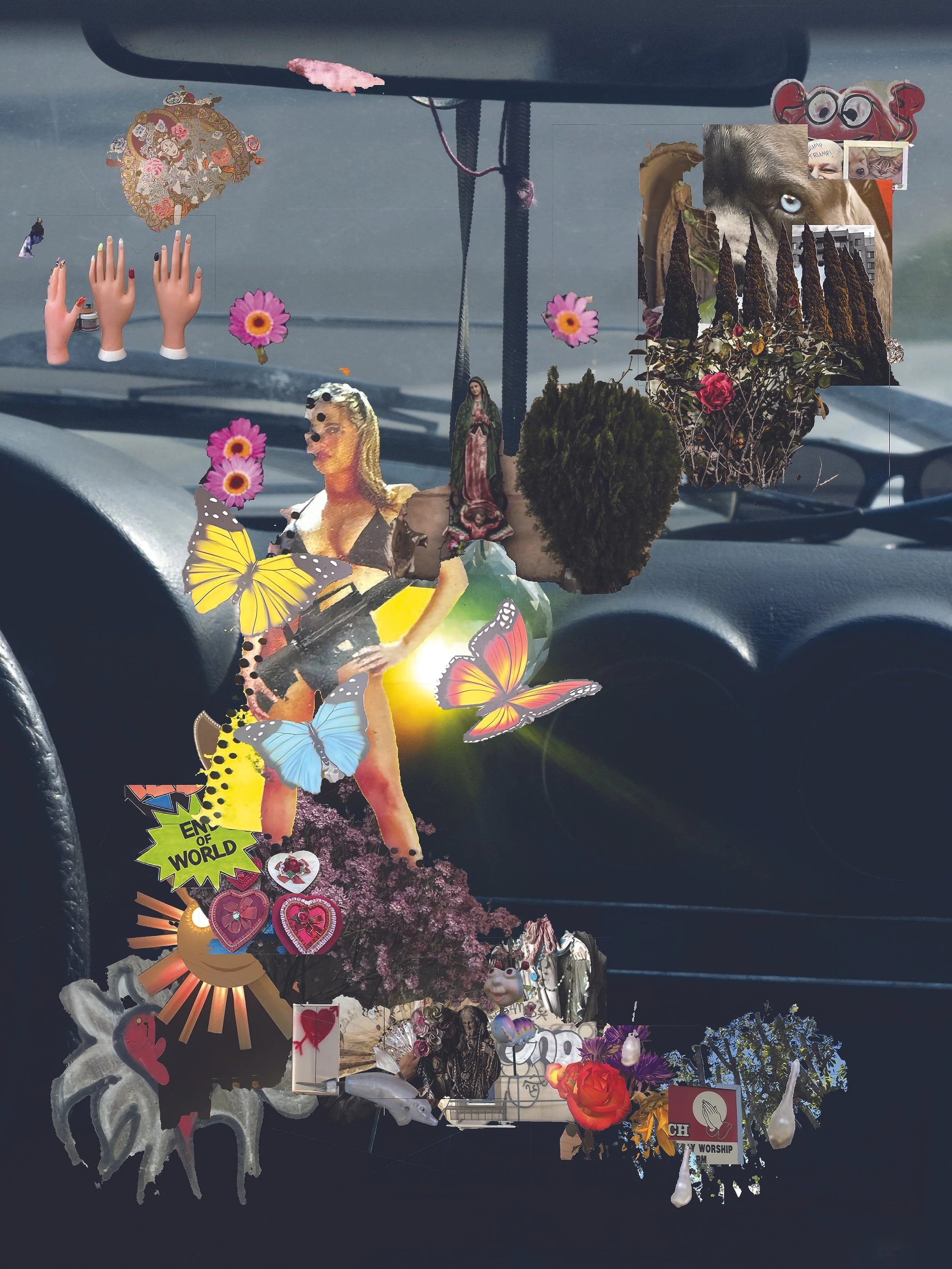
“RADIAL SURVEY VOL. 4” features artists whose practices are situated within a 300-mile radius of Pittsburgh, Pennsylvania. The six participating artists reflect the plurality of photographic activity in our region through their conceptual and process orientated approaches.
Ian John Solomon (Detroit) and McNair Evans (Richmond), share a connection in their work to memory and geography. Their photographs document personal history and use the camera as a tool to find community, creating a sense of being rooted in the world through images. Solomon is included with photos exploring family history that emerge from a deep study of place. “Camp Van Dyke” (2024), for example, is a distorted print fusing two images: a brick country home near where his late grandparents lived on Detroit's East Side and Michigan's tree-covered northern landscape. This intentional layering of place repeats in “Cowrie 35.98451 degrees N, 78.7880 degrees W (Bass Plantation)” (2025), where the background landscape—now present-day North Carolina—traces back to his ancestral lands, and the glistening cowrie shell held high in the artist's hand is like an act of reconnection.
Through his long-term photography series “drawn inward” (2012–2022), McNair Evans documents fellow passengers on the Amtrak sharing stories of new beginnings and life stories. In the exhibition, handwritten notes from photographed travelers are printed on photographic paper and serve as the backdrop to wispy landscapes and images of individuals in their own worlds. One note chronicles a woman meeting her lost love after 15 years, while another describes the experience of a young truck driver whose company is paying for his relocation. For Evans, photographing in this context means meeting the community where they are.
Focusing on material histories, the work of Christine Lorenz (Pittsburgh) and Juan Orrantia (Rochester) delineate the moment when an object's or material's biography becomes the image. Each artist presents distinct bodies of work where the subjects of their photographs become integral to the image. Lorenz uses macro photography to create images like “KS-5862” (2025) that push the limits of visibility. Her subject is salt—a ubiquitous household material. For this body of work, Lorenz sourced salt from West Virginia's Kanawha River Valley, which accumulated in the region over 400–600 million years ago. Her photographs bring us into another world and document the past, with material conditions bound to place—something particularly resonant in a geologic region like Pittsburgh.
Similarly, Juan Orrantia’s images as still lifes, compositions of objects, textures, and vibrant colors connected to his lived experience. As a Colombian photographer who has spent much of his adult life in South Africa, Orrantia connects compositional abstractions to his experience of dislocation. In “Color is the genie escaped from the bottle” (2024), he uses intense color and compositional tension—a hand reaching for a pink hibiscus flower—to evoke feelings of immediacy and uncertainty. He references still life's colonial lineage of reinforcing racist stereotypes, proposing instead a counterapproach that embraces ambiguity and refuses order.
If photography can provide evidence of being rooted in the world and blur the line between subject and image, Amelia Burns (Detroit) and SHAN Wallace (Baltimore) engage with something existing in between. While their works in “RADIAL SURVEY” use different technical and visual approaches, they are in conversation with the precarity of images, whether by rendering them as "failures" or collaging fragments of "cultural detritus."
With the backdrop of a car dashboard or the close-up of a nude torso, Burns creates layered images that repurpose found images from her own archive. Some are humorous, like the sign in “WONDERLANDOFFATHANDFEAR” (2025) quoting the movie Tommy Boy, “TOMMY WANT WINGY,” next to a perky Sphynx cat, while others are weightier, like the cropped images depicting Christ's crucifixion. Through her process, Burns draws images out from their original contexts and transforms them into something messy—a collision of disparate resolutions and competing color treatments.
Also grappling with photography's messiness, Wallace is represented by a series of overexposed and underexposed half-frame photographs that unfold across the gallery wall like a procession of quick observations. Initially considered failures, works like “Light on Paper 004” (2024/2025)—blurry and flawed—play with the impermanence of a photographs supposed fixedness. From one scene to the next, Wallace's images are in suspension as much as they trace the artist's presence as she moves through space.
With this iteration of “RADIAL SURVEY”, Silver Eye's flagship biennial exhibition, the photography center continues to demonstrate its commitment to experimentation and artistic support. By bringing together artists from across the region, this exhibition series creates space for photographers to test new ideas, push their practices in unexpected directions, and develop work that might not emerge elsewhere.
Cynthia Stucki is an Assistant Curator at Carnegie Museum of Art in Pittsburgh. She has an MA in Curatorial Studies from the University of Zurich.
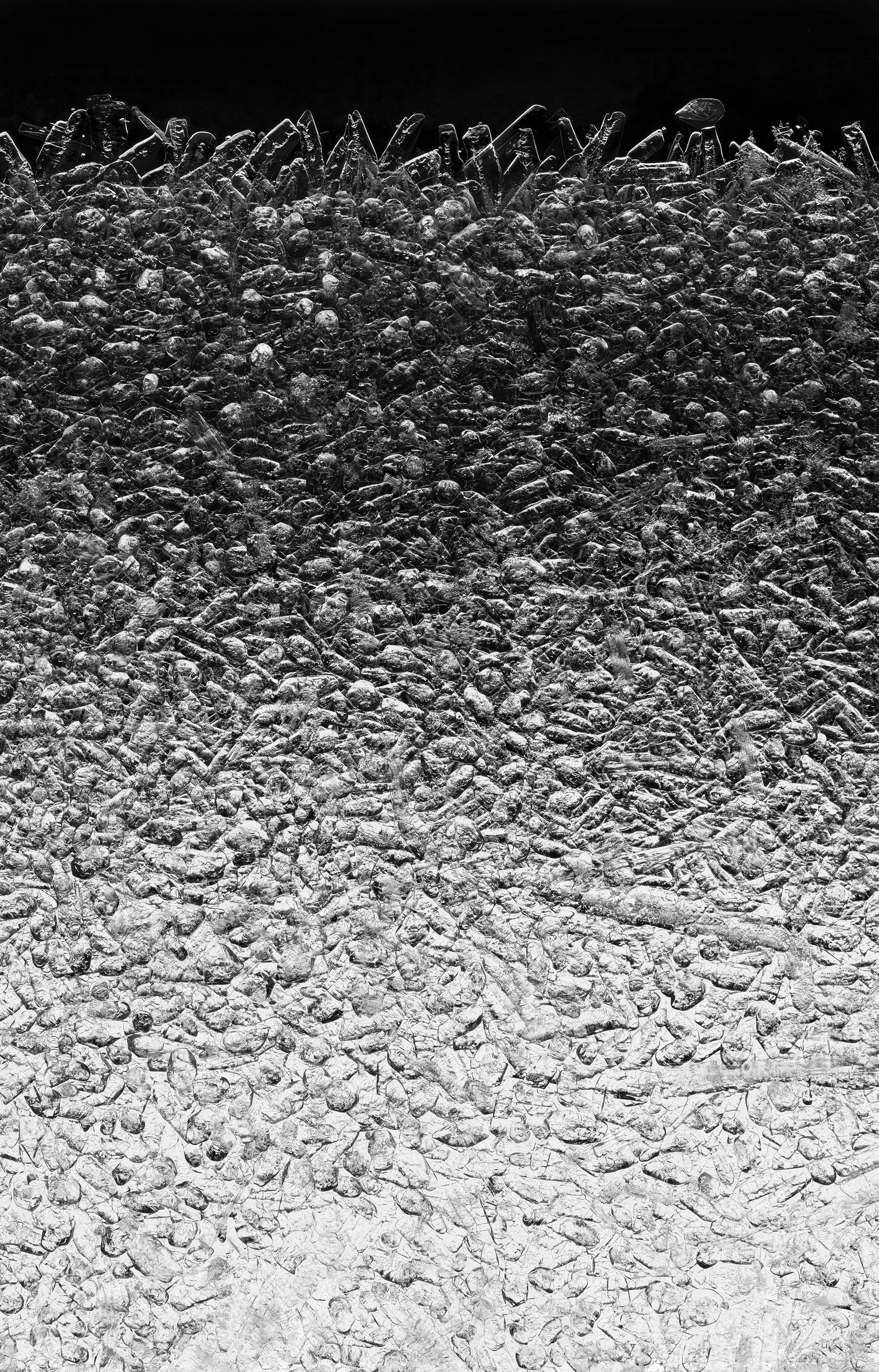
CHRISTINE LORENZ "KS-6269", 2025.
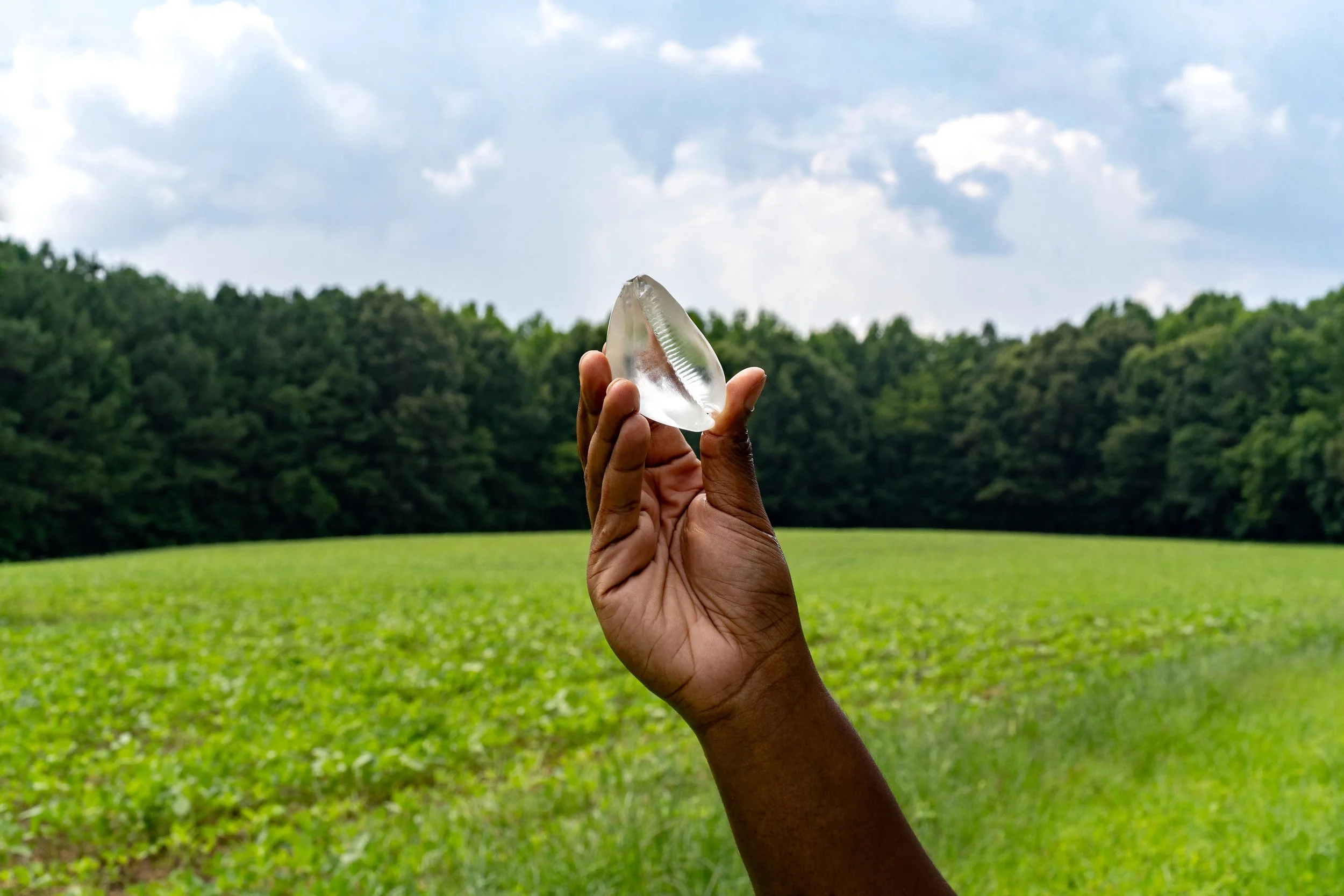
IAN JOHN SOLOMON “Cowrie 35.98451 degrees N, 78.7880 degrees W (Bass Plantation)” , 2025.

JUAN ORRANTIA "Color is the genie escaped from the bottle," 2024.
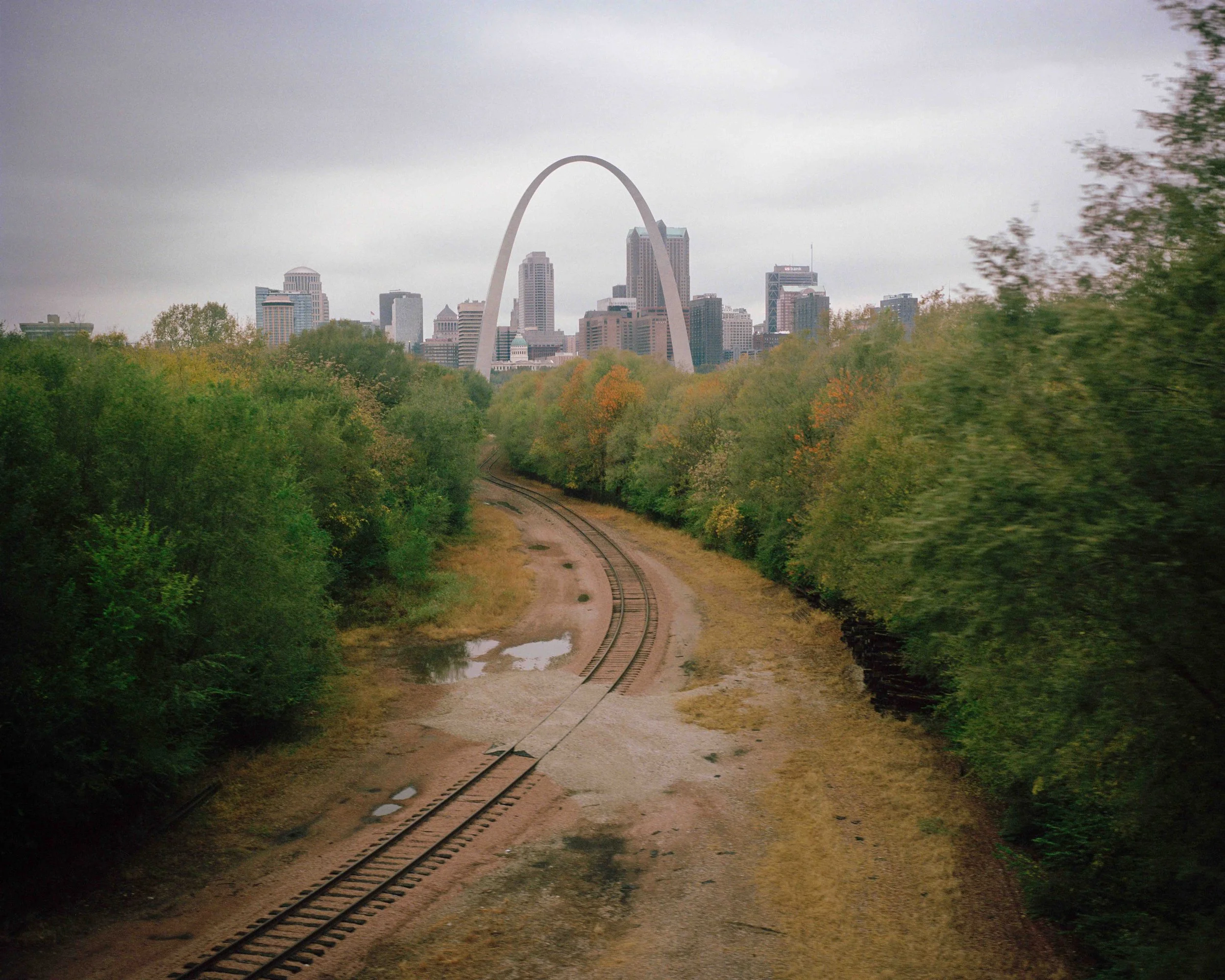
McNAIR EVANS, "Lincoln 003009", 2022.
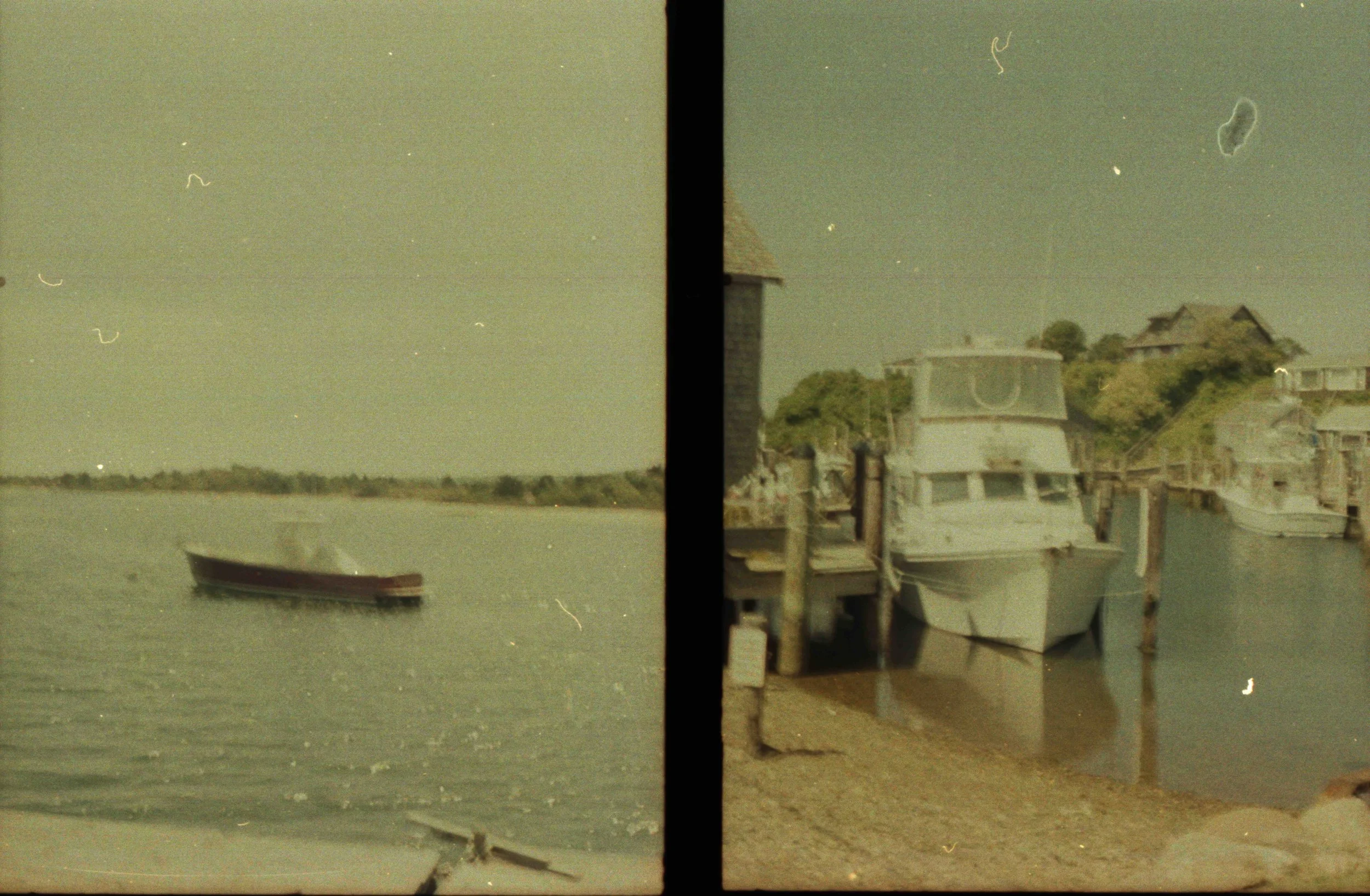
SHAN WALLACE "Light on Paper 004", 2024-2025.