
By Max Blagg, December 10, 2025
“Contacts” is located on the third floor of the 'new' Whitney Museum until February 8, a quieter area of the building, detached somehow from the madding crowds who throng the institution all the livelong day. Indeed, the layout of that floor, empty at 10:45 in the morning except for a museum guard, called to mind the sets of “Severance”, a perplexing Apple TV series filmed on a set featuring endless corridors and innumerable floors. It is a peaceful space in which to examine the conceptual basis of this eccentric collaboration between photographer Ken Ohara and a hundred strangers in 1974 and ’75.
The sleek black frames on the walls each contain an enlarged print of the contact sheets he made from the 100 rolls of film that were returned to him, after use by eager participants, along with a camera he provided. A vitrine contains the artist's admirably clear explanatory text and the precise instructions that each recipient of his camera would receive, and hopefully execute in their turn. This ambitious project used tools that, apart from the camera, have since gone extinct; the manual typewriter and that marvelous doorstop, the three-inch-thick Manhattan telephone book then invariably possessed by every household. The first participant was in fact chosen at random from the thousands of names contained in that book. (Various police departments put this once essential totem of daily life to more sinister use, using its solid weight to bludgeon suspects without leaving a visible bruise. But I digress)
Thanks to the increasingly omniscient presence of AI, I was able to discover in seconds how much that Olympus 35RC cost back in 1974: a bit less than $90, which astonishingly, is equivalent to $590 in today's inflated currency. The idea of sending a quality camera out into the wilds of America and hoping it would return unscathed and with a roll of exposed film seems highly unlikely in the country we inhabit today. The relatively slow moving, patiently guided project was supported by a Guggenheim Foundation grant based on Ohara's original idea. (See what he did there? Grant applicants take note.)
The strangers to whom O'Hara reached out received the camera and detailed instructions on what they should do with it: freely document their daily lives, their families, the environment in which they lived, then send back to the artist the camera containing the roll of film they had shot, adding, if possible, the name and address of a person who would become the next recipient. From the 100 35m rolls returned, O'Hara then made contact sheets, each of which tells its own chapter in the larger story, of how some people lived—and depicted themselves-- in America in 1974. The overall picture is quite benevolent, mostly familiar domestic scenes, snowball fights, someone playing a guitar; the ordinary contents of a day in the life. On the surface then is a nation at peace, even though the early '70s were a time of social and economic crisis, Watergate (how tame Nixon's prevarications seem now!) and a manufactured war in Vietnam winding down in inglorious defeat, the struggle for civil rights still a thousand miles from the finish line (as it remains today); New York City in terrible financial shape. And yet the contact sheets mailed back to Ohara by these compliant citizens depict peaceful scenes and seemingly decent people, clothed and fed, with no visible signs of the seething underbelly of America recently revealed in all its bitter resentment, racism, poverty and persistent violent suppression of any suggestion of communal improvement.
What would happen today if an artist sent out a camera to perfect strangers and asked them to participate in a similar project? One imagines few takers willing to donate their time or curiosity, much less generosity. Too busy creating glowing images on social media of their purported lives, choosing only the best backdrops and material possessions, 'Look that's the Acropolis behind me, bit crowded today, here's my new Audi, powder blue!'. All these dreams that money can buy posted via Instagram, Tik Tok, the X that marks a plague spot, and many other subversive online operations.
Ken Ohara's lovingly tender project stands in wistful contrast to the deluge of deceit and disinformation that confronts us daily in this increasingly post-truth world.
Max Blagg is a writer and artist and founder of Shallow Books. An anti-memoir Get Well Soon is forthcoming.

Installation view KEN OHARA "Contacts", Whitney Museum of American Art, November 2025.
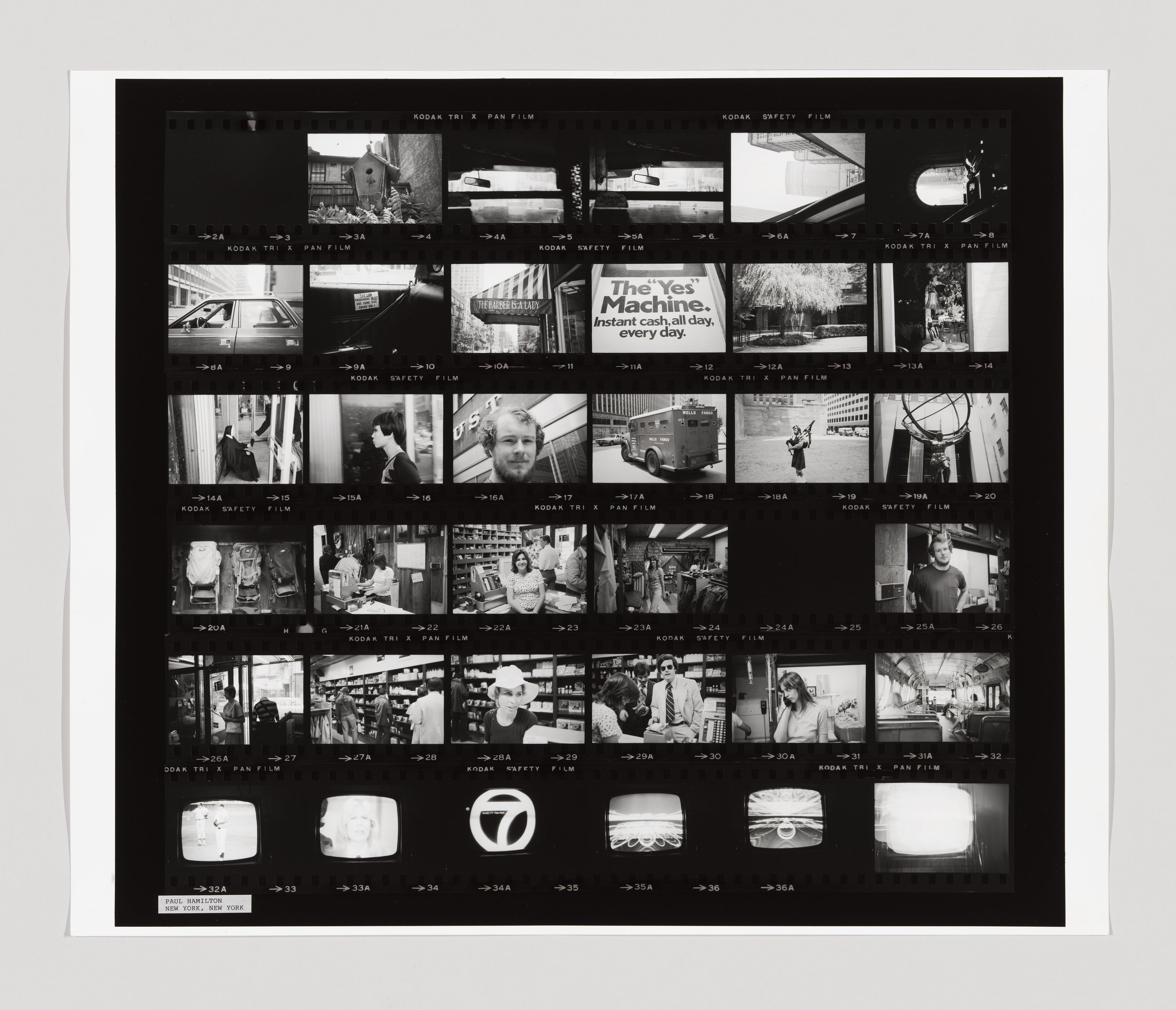
KEN OHARA "CONTACTS 17, Stern, Ann Arbor, Michigan, 1974–1976" Whitney Museum of American Art, New York © Ken Ohara.

KEN OHARA "CONTACTS 21, Collard, Seattle, Washington, 1974–1976."Whitney Museum of American Art, New York © Ken Ohara.

KEN OHARA "CONTACTS 36, Radtke, Chaptico, Maryland" (detail), 1974-76. Whitney Museum of American Art, New York © Ken Ohara.
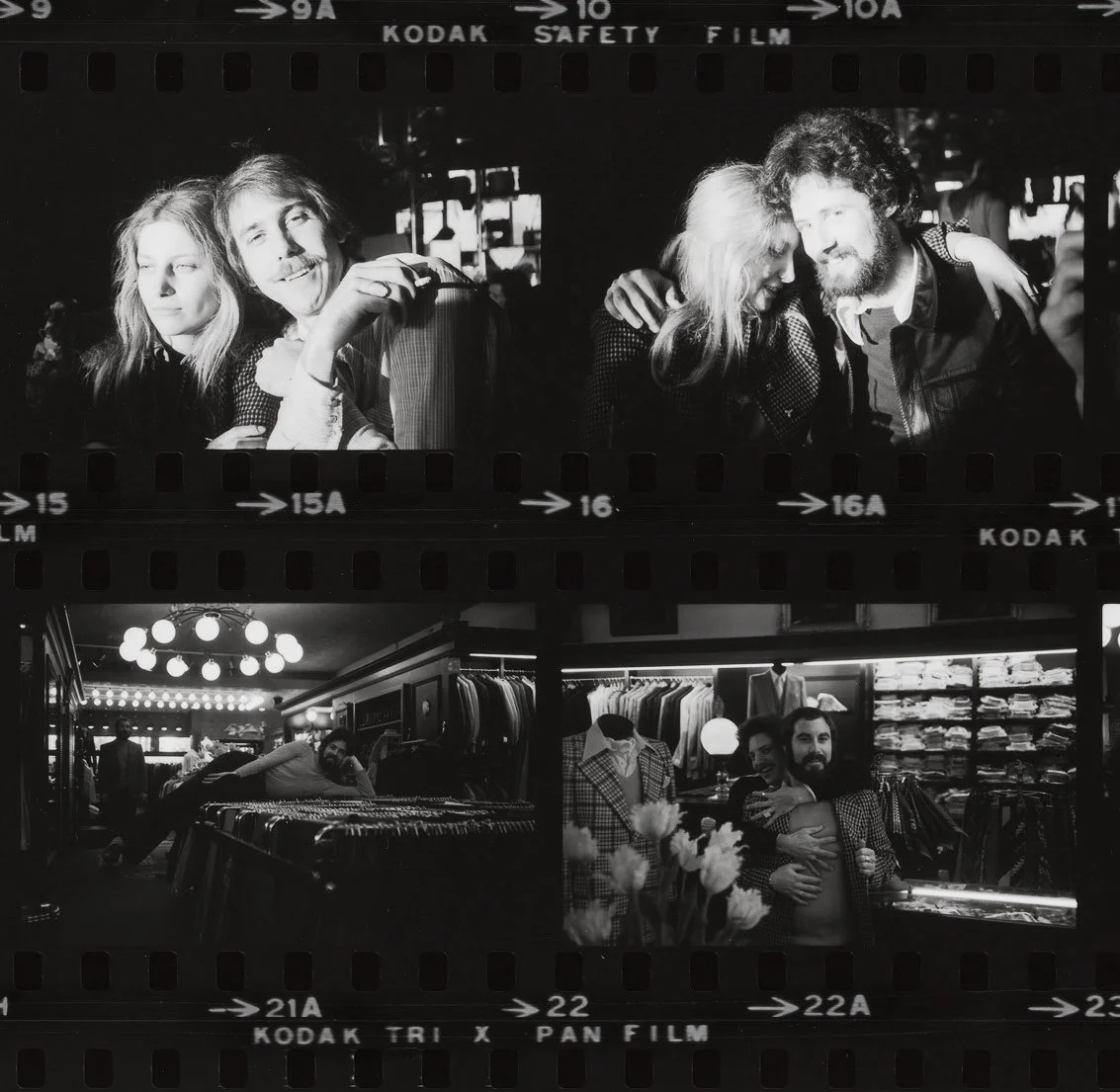
KEN OHARA "CONTACTS 47, Carr, San Francisco, California (detail), 1974-76. Whitney Museum of American Art, New York © Ken Ohara.