

By Jaeyong Park, December 10, 2025
Petra Collins photographs, she says, to “create a world that I wish I lived in.” At Daelim Museum, that world lives in a museum. On the top floor, high ceilings and cutout frames make visitors feel like dolls in a dollhouse. Miniature house structures are scattered across the space; Collins’s ‘I’m Sorry’ clothing line is displayed boutique-style. The photographs hung throughout the museum are 2025 reprints, not vintage prints. The sole ‘originals’ are elsewhere: on the third floor are silicone body molds from her 2019 self-portrait series for Baron magazine, sculptures Collins created with artist Sarah Sitkin to visualize childhood trauma. But perhaps ‘original’ is the wrong terminology. Collins’s work lives in circulation, from Instagram feeds to brand campaigns. Daelim stages that circulation honestly. The problem isn’t the absence of vintage prints. It’s calling this circulation an ‘artist retrospective.’
This is Collins’s first large-scale museum solo exhibition, with over 500 works spanning photography, video, installation, fashion, and magazines. The exhibition, through December 31, traces her fifteen-year career across three floors. The second floor, “Becoming Petra,” shows her early work: raw, unfiltered images of teenage girlhood shot on 35mm film from the “Teenage Gaze” series. These photographs genuinely unsettled conventional beauty standards, capturing adolescent awkwardness without prettifying it—body hair, acne, unflattering poses. But upstairs, the exhibition reveals its commercial context as fashion campaigns occupy walls alongside earlier work. The cutouts in walls and ceilings turn observers into performers. Collins said she chose Seoul because audiences here “feel intensely,” but the space invites posing, not feeling. Visitors photograph the photographs, recreating Collins’s pastel aesthetic on their phones. Seoul consumes Collins as an aesthetic, not artist, which may be closer to what her work always was.
Artist retrospectives often center vintage prints: evidence of the artist’s hand, the original negative, the first print. Brand retrospectives showcase campaigns and collaborations. Daelim presents the latter. Collins has spent years denying she’s a “female gaze” photographer, insisting her work critiques rather than celebrates conventional femininity. Yet her fame rests entirely on that gaze: soft focus, pastel tones, dreamy adolescent girls. That gaze, filtered through whiteness and youth, became an exportable commodity. Her work, as Hannah Shapiro observed, exemplifies an ‘oversaturated neoliberal aesthetic’; feminism reduced to a brand to be consumed--not lived. Daelim’s exhibition validates that brand enough to put it on museum walls, lending institutional legitimacy to work that collapses art and commerce. The museum doesn’t critique that collapse. It celebrates it, framing commerce as culture.
Why is Collins’s first museum show in Seoul, not New York or London? The answer lies in how Daelim evolved from institution to destination. In 2013, the museum staged Ryan McGinley, whose youthful bodies in pastel tones drew visitors who came to photograph the photographs. That exhibition marked the museum’s turn from photography institution to destination: a place where the aesthetic is the experience and fashionable photography its signature. Twelve years later, ‘Petra Collins: fangirl’ marks Daelim’s 30th anniversary, confirming that identity. South Korea already knows Collins through her K-pop circuit and work with Blackpink to Gentle Monster and Daelim now institutionalizes what K-pop fans already consumed. Free admission isn’t generosity; it’s brand consolidation. The exhibition costs nothing to enter, but you’re paying with attention, validating both Collins’s brand and Daelim’s ‘photography-as-experience’ model. Seoul imports Collins’s white feminism not as critique, but as aspirational Western aesthetic to consume.
In 2016, Tate Modern commissioned Collins to reinterpret Georgia O’Keeffe--- a 23-year-old artist engaging a modernist icon. That video plays on Daelim’s fourth floor, but it feels incidental to the exhibition’s true subject: Collins as brand. Her work has encouraged circulation, images born digital and validated through likes, and Seoul stages that authentically. But it borrows institutional language for what’s fundamentally a commercial archive. Or maybe that’s the same thing now.
Jaeyong Park is a Seoul-based curator, writer, translator and interpreter. His writing about art has appeared in Frieze, The Art Newspaper, and Art News.

Installation view PETRA COLLINS "fangirl" The Daelim Museum, December 2025.

PETRA COLLINS "Coming of Age, Anna and Kathleen on Clarinda," 2017.
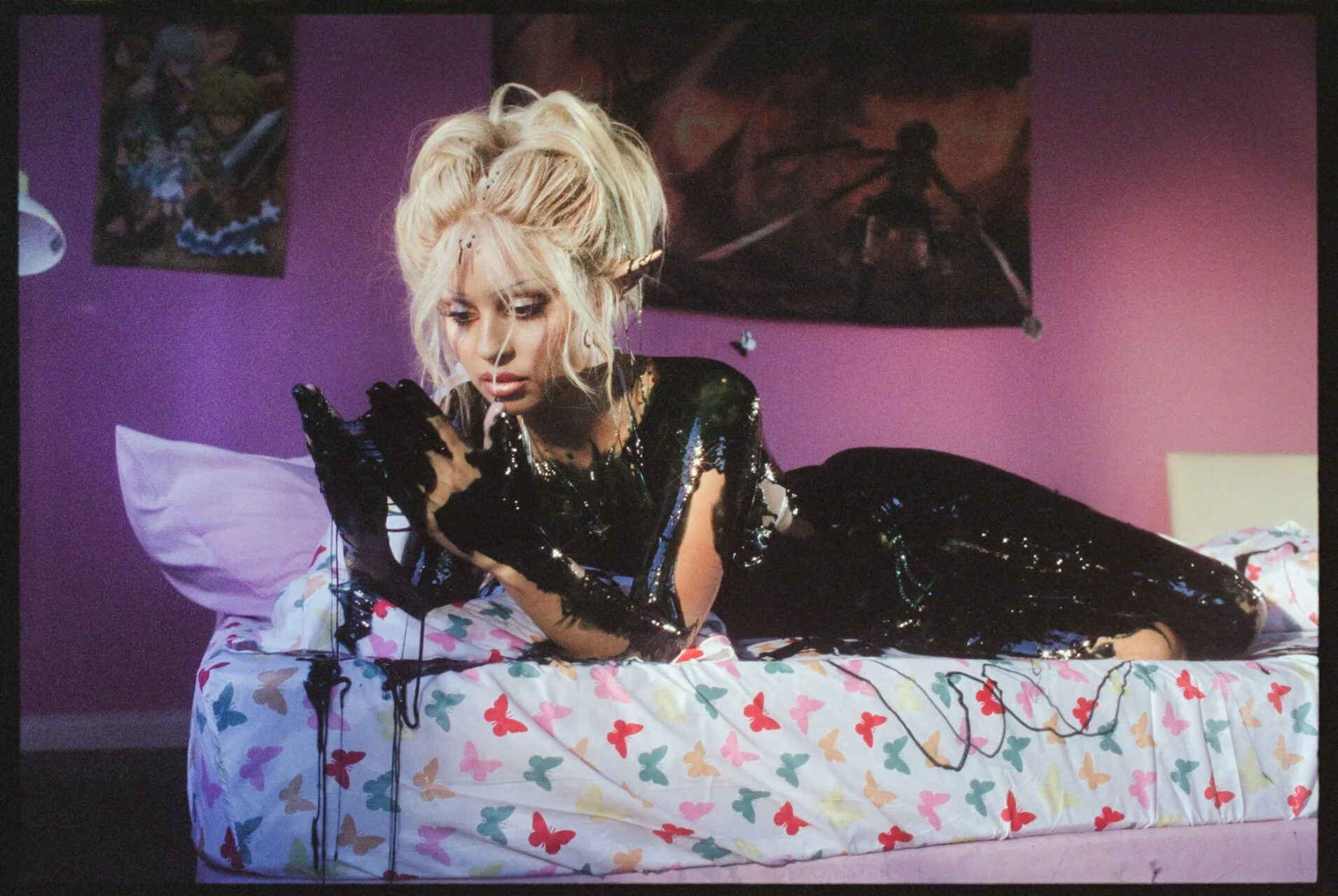
PETRA COLLINS "Fairy Tales, Realization" 2020-2021.
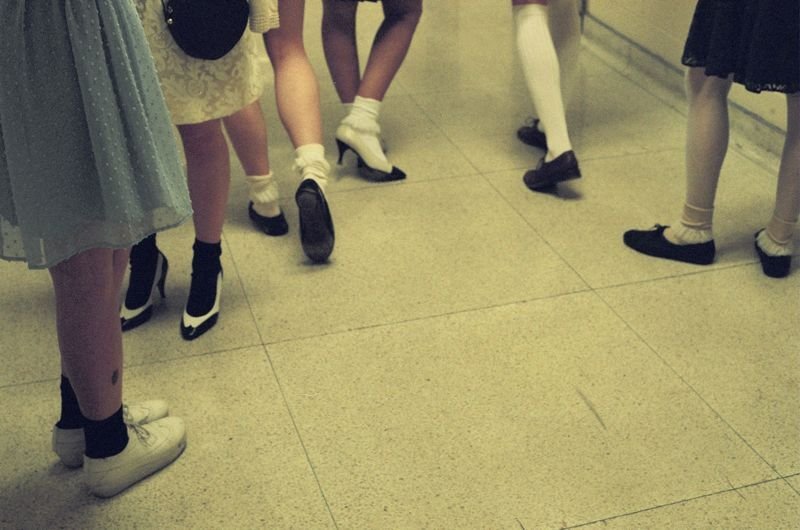
PETRA COLLINS "The Teenage Gaze, Footsteps in Highschool" 2010-2015.
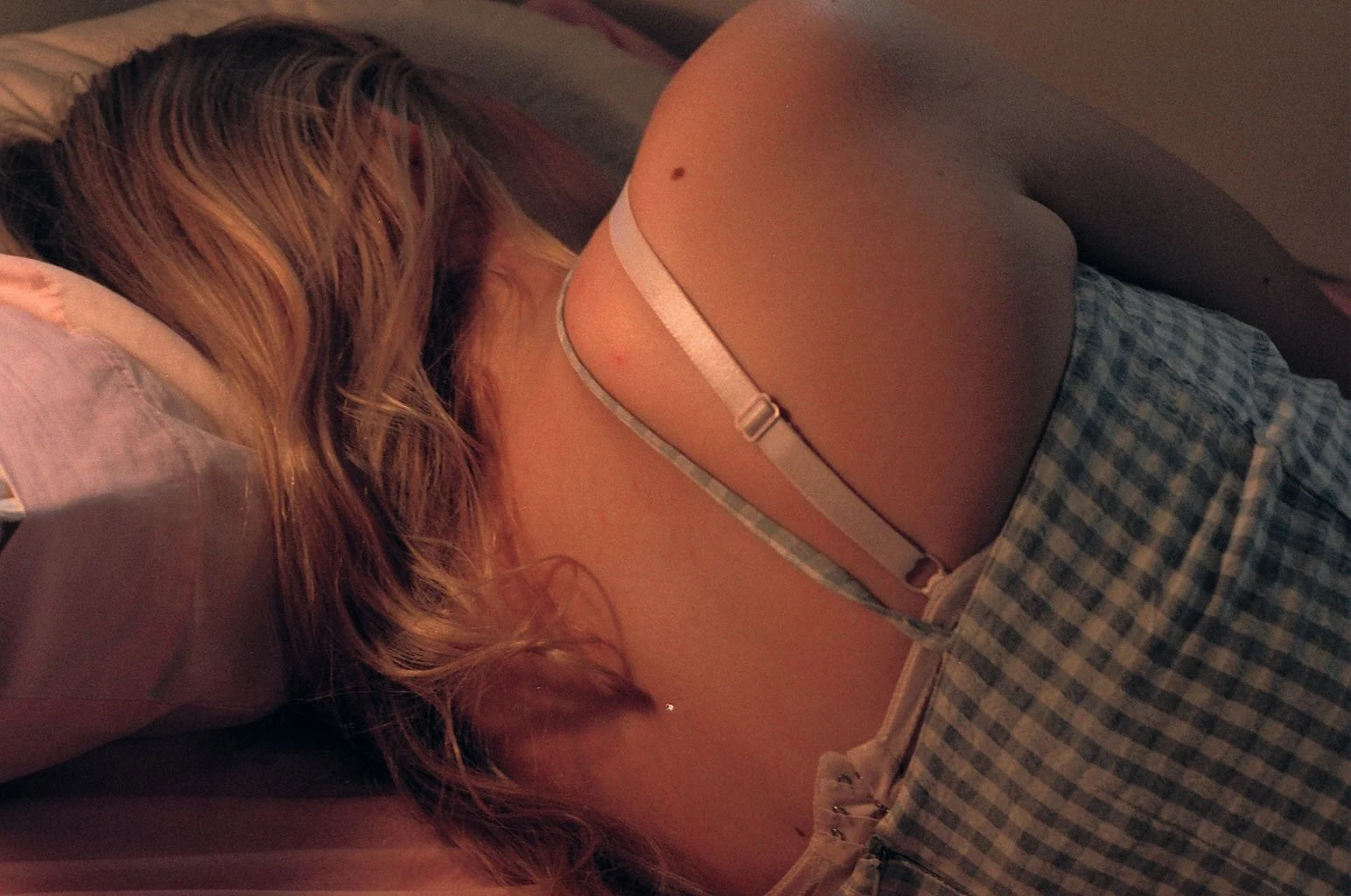
PETRA COLLINS "The Teenage Gaze, High School Lover" 2010-2015.