
By Paulina Choh January 10, 2026
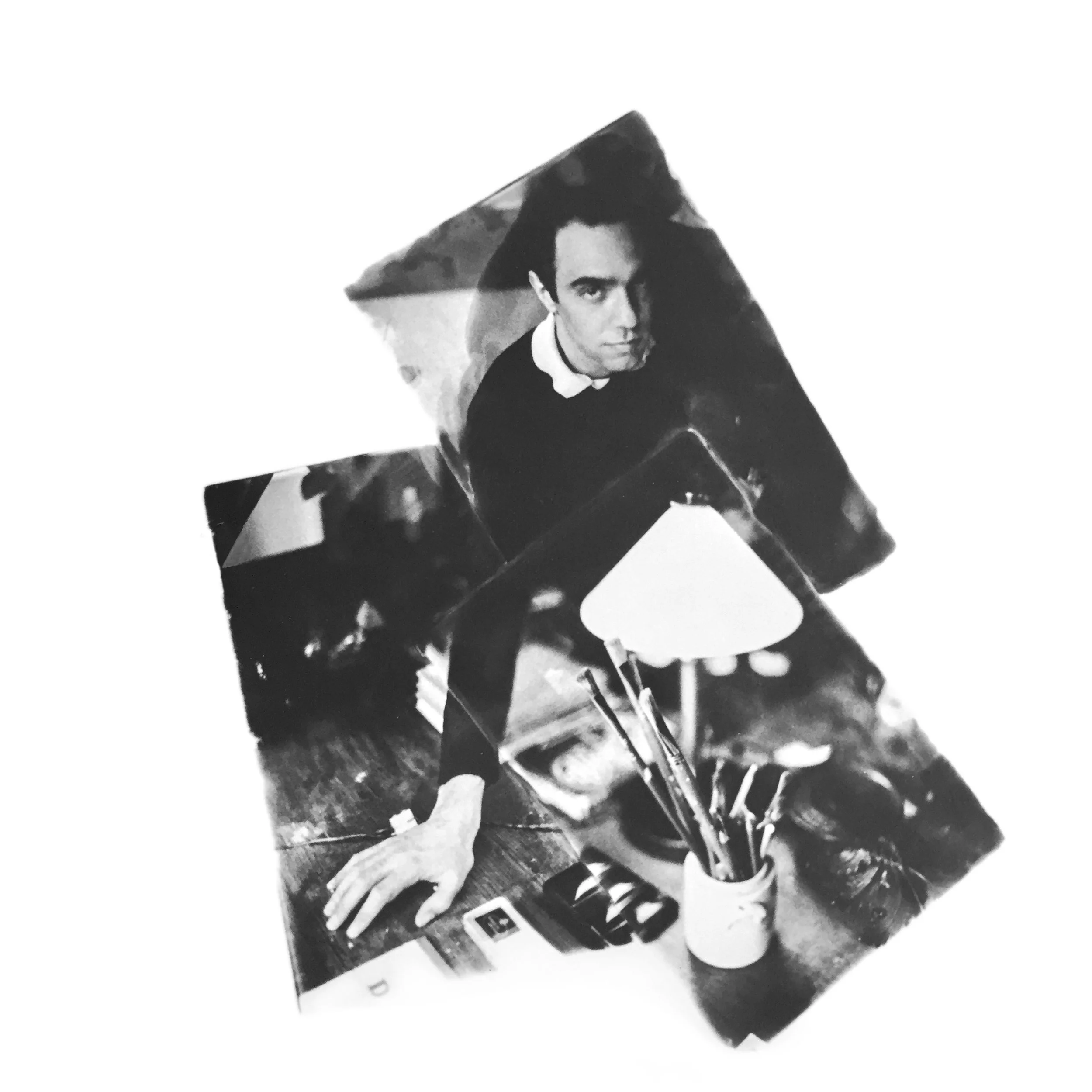
In the hands of Gerald Incandela photography returns to its roots in the historical camera obscura, where the artist takes only what he wants from the view. Unlike a typical darkroom printer, Incandela does not submerge his paper in developer but brushes his chemistry on to bring out specific details of an image. In this way, he can edit out cars in a street by simply not developing them (“The Capitol”, 1977) or materialize individual birds in “Duck Farm, Long Island” (1979). Layering negatives to achieve his composition, his process recalls the combination cloud printing of the nineteenth century or a haphazardly stitched panorama. Pictures like “Roomette”(1979) wander from splayed left leg to right leg, left window with a cloud in it to right window with a tree. Each rectangular negative acts like puzzle pieces.
Like Incandela’s composite photography, his exhibition at the Wadsworth Atheneum brings together different spaces of the institution: with the earliest work from the 1970s and 1980s off of the Morgan Great Hall to larger abstract portraits from the 1990s and recent work around a fountain in Avery Court; to finally, the photographs Incandela took during the filming of Derek Jarman’s “Caravaggio” (1986) in the Theater Lobby a floor below. Incandela’s practice of piecing together multiple shots comes perhaps from his experience making Super 8 films in the 70s and collaborating with Jarman, who gave him his first photo camera and introduced him to Sam Wagstaff, formerly curator of contemporary art at the Wadsworth. Next to a video depicting Incandela’s unique process, one finds “Self-Portrait” (1981) featuring the artist in traditional Japanese attire. In a sparsely outlined space containing a floating chair and table, with only a rectangular outline in the background to ground perspective, Incandela stands by a window with a fragmented landscape, signed as if it were a painting.
Art history is much present. In the artist’s oeuvre and in the layout of the exhibition, the contemporary is interwoven with the historical, with references throughout to sculpture and painting. Curator and director Matthew Hargraves draws out such juxtapositions with Incandela’s nudes placed explicitly in dialogue with Pietro Francavilla’s “Venus with a Nymph and Satyr” (1579), an enduring inspiration for the artist; or the suggestive sightlines of the marble sculpture of Edward Sheffield Bartholomew’s “Eve Repentant”(1858-9) on a pedestal which precedes the Incandela picture of socialite Kalliope Karella (1994) seductively posed in a leopard mini. Similarly, the minimalist landscape “Jet Streak” (1976) hovers opposite a display of scenic daguerreotypes. The sixteenth- to nineteenth-century paintings hung salon-style in the Great Hall prime for Incandela’s own art historical references. The new perspectives of japonisme and earlier precedents such as Hasegawa Tōhaku’s sixteenth-century screen to the Albertian window onto the world engage with work like David Ellis Jones (1976) that feature the figure amongst scattered works on paper with his face framed by the window of an open mat. Incandela notes, “the construction of my negatives is guided by the rectangular mats of the drawings. I learned to print photography by making copy prints of drawings.” Indeed, his abstract nudes from the 2000s resemble studies for a painting, with the body shown only partially, dissolving into brush stokes from which a hand often emerges in sharpest detail. Marked as “Hand brushed silver gelatin print[s] on photographic paper,” smudges along the edges of prints refute the narrative of the camera’s loss of human touch, but also the practice of striving for a pristine print. Photography, that art of drawing with light, becomes a truly chiaroscuro play with Incandela’s selective daubs and splashes of chemistry. Exposed photographic paper introduces pinks into the black-and-white washes of silver. Seams of chemistry appear where negatives overlap, and traces of brush bristles merge with wrinkles in cloth, as in “Untitled” (1986). Incandela’s pictorialism softens the hard bronze of a sculpture in “Untitled Dance”(1990), rendering it in rich tones that evoke lifelike movement. Layouts are frequently inspired by his subject matter, with negatives triangulated to replicate the shape of “Umbrella” (1974). Setting his signature along the edge of a slanted negative accentuates his unusual framing.
By blurring what is the image and what is the paper, Incandela draws our attention to the materiality of photography as well as our perception of surrounding space. Early works like “Large Japanese Tree” (1989) signal the key roles of subtraction and negative space that have only become more prominent in his most recent series. In an interview with James Crump, the artist explains that the white spaces in his pictures represent the Mediterranean light of his childhood in Tunis. Even when it seems like absence, light is an active, shaping force here. With Incandela, our view is equally made up of what is seen—and what is not.
Paulina Choh is the Marcia Brady Tucker Postgraduate Fellow at the Yale University Art Gallery, and has published in American Art, the Germanic Review, and the Brooklyn Rail.
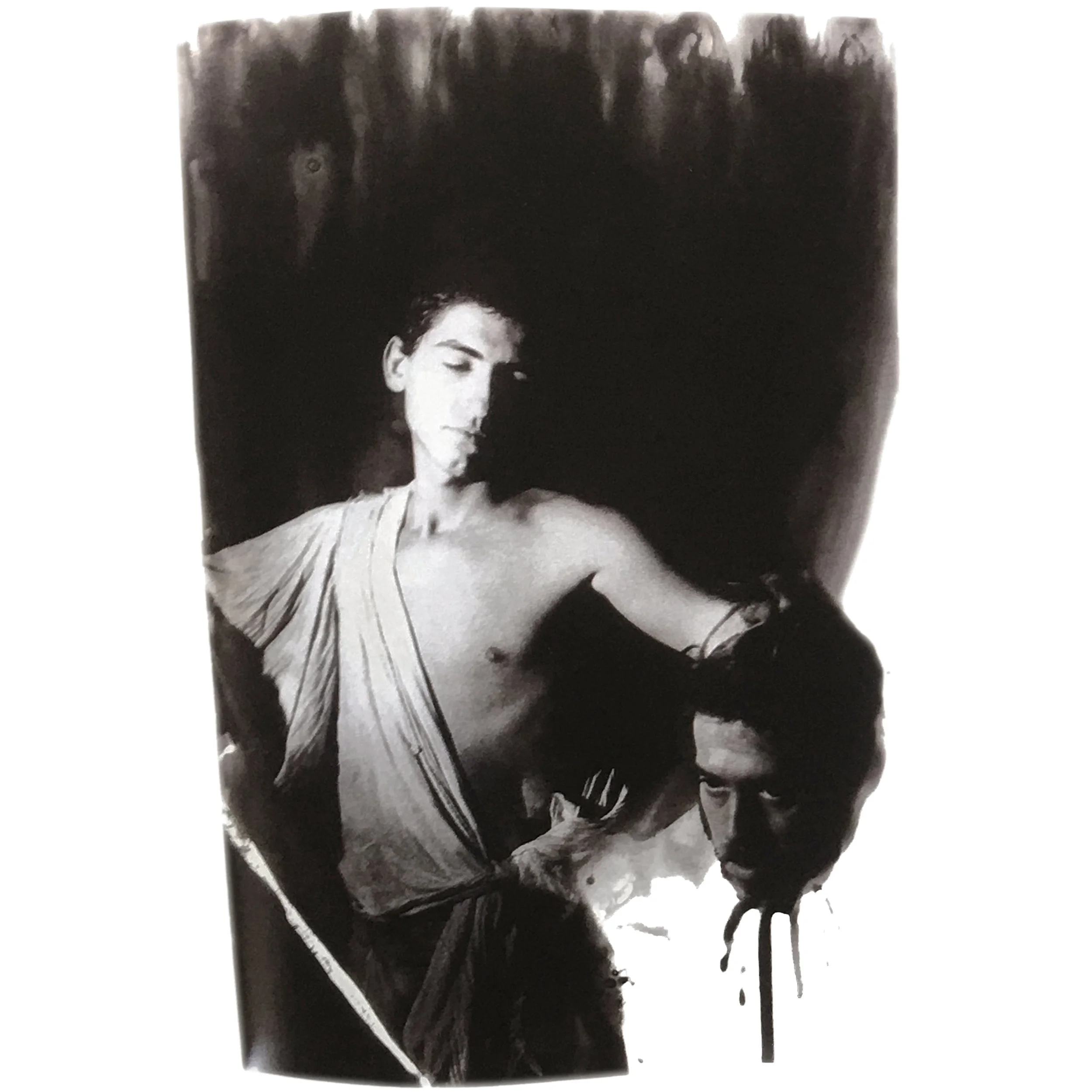
GERALD INCANDELA "Extra on the Carravagio Set", 1986.
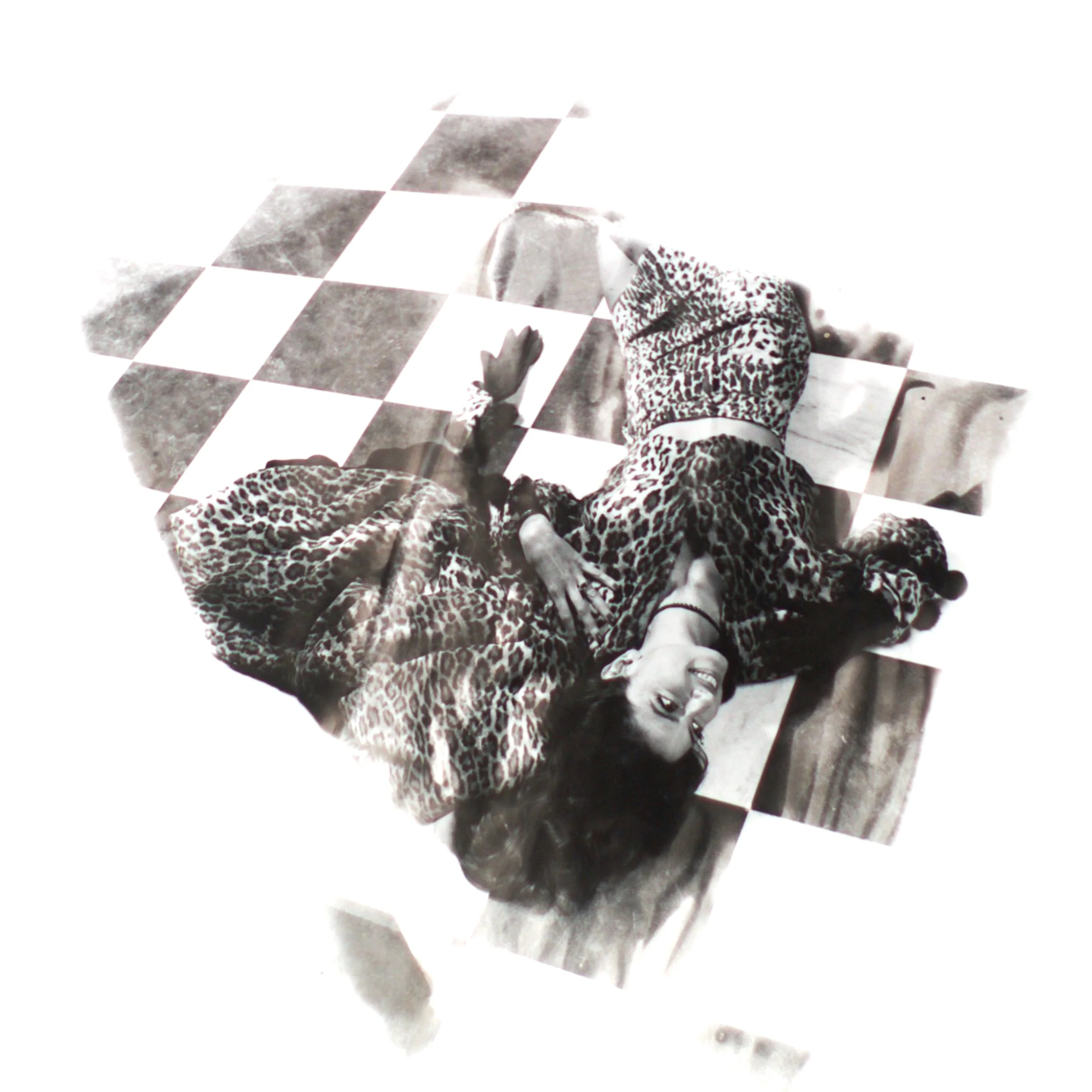
GERALD INCANDELA "Kalliope Karella" 1994.
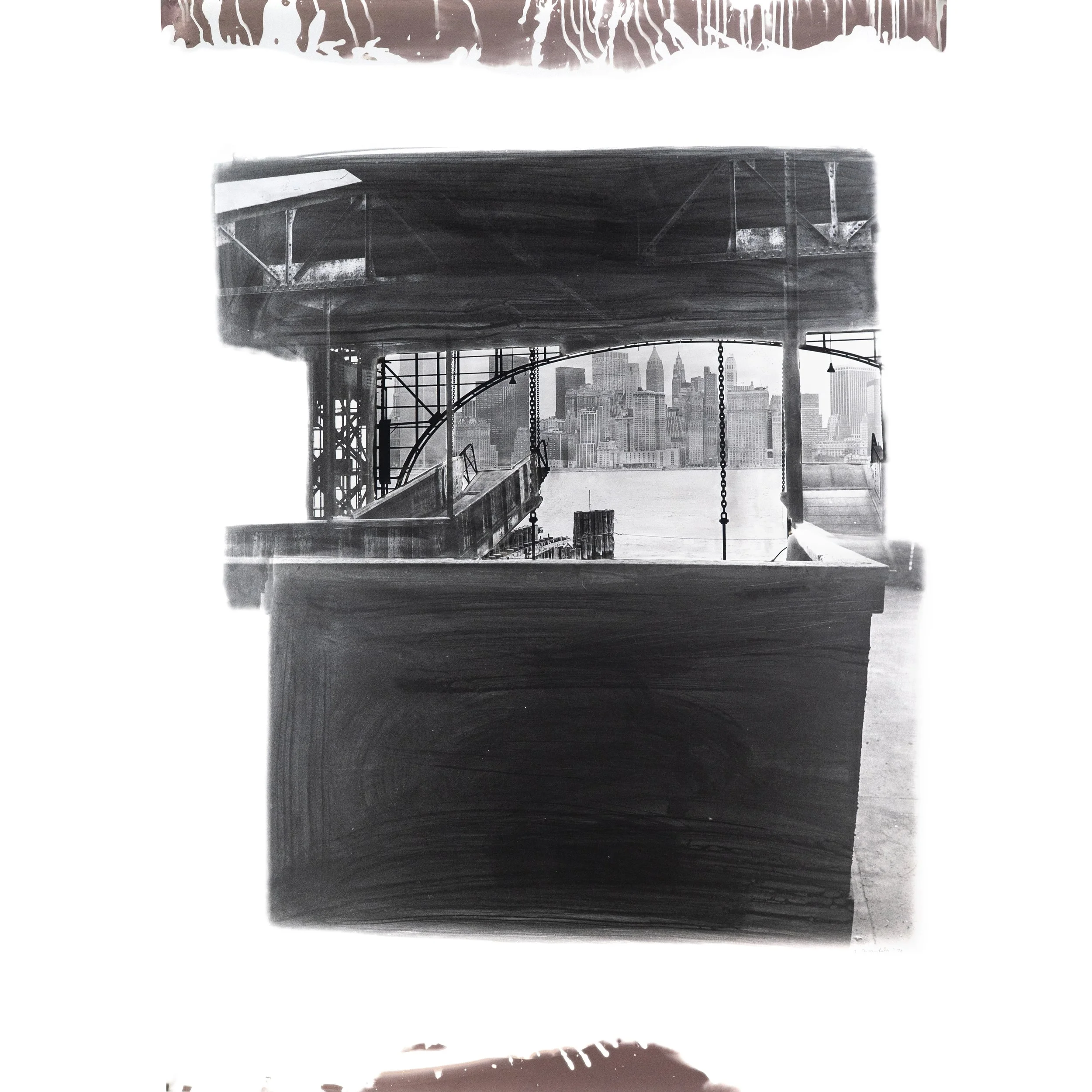
GERALD INCANDELA "New York, River View" 1977.
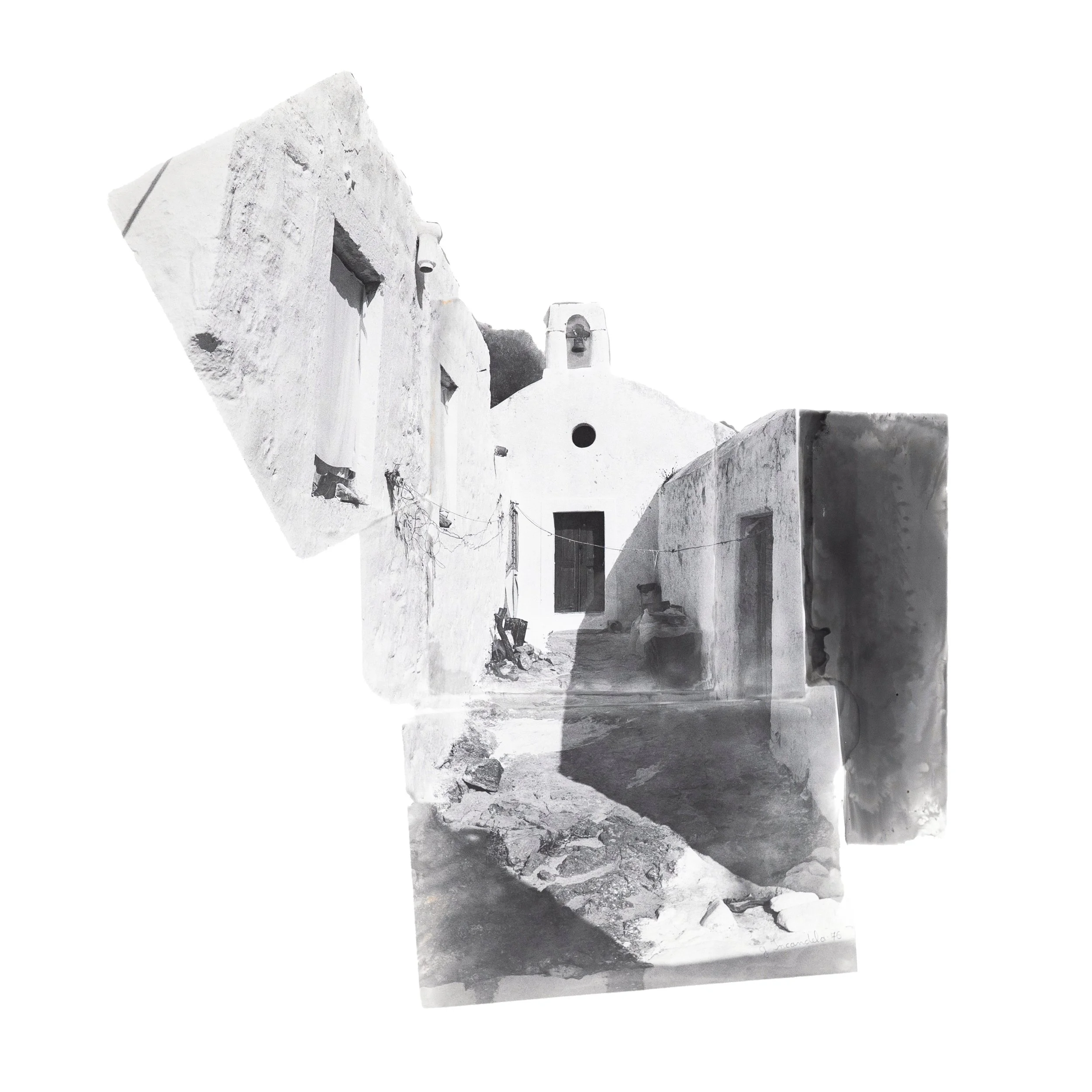
GERALD INCANDELA "Patmos" 1976.
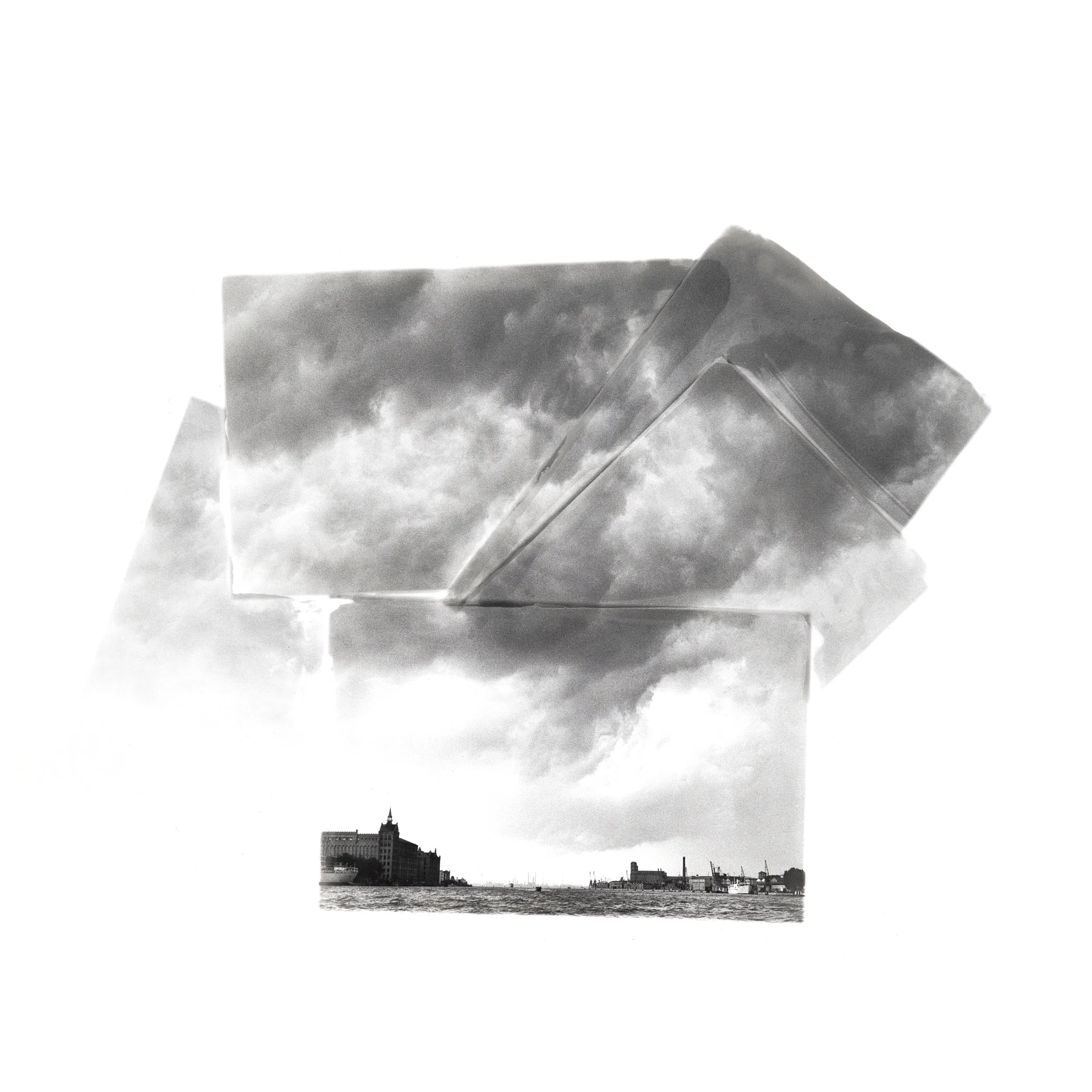
GERALD INCANDELA "Venice" 1976.