
By Tim Clark January 10, 2026
Who says you can’t find humour in conceptual photography? Not just laugh at its ridiculously dry nature, but delight in the playfulness of artists who deploy wit?
It’s with much pleasure then that “Seriously”, a group exhibition at London’s Sprüth Magers through January 31addresses this very topic. Curated by Nana Bahlmann, the show explores how artists use satire, absurdity, slapstick, parody, roleplaying, and suggestive juxtapositions to give photography and the world it represents a twist. It’s a kind of visual essay that eschews works that simply document or preserve in favour of those communicating ideas, concepts and messages. All this in service of poking fun at modern culture, holding a mirror up to society, critiquing political dynamics, and even smirking at photography’s penchant for literalism.
More than a hundred photographs, print media and films, ranging from the 1960s to the present, are packed in across all four floors of the gallery’s historic Mayfair space. It makes for an intriguing if not dizzying encounter with photography’s occasional silly side, alongside profound or intellectually demanding moments.
Emerging from the fault-line between entertainment and reflection are strong examples of how images are constructed and interpreted. This occurs through a few riotous rooms of ‘self-portraiture’: Martine Syms’ inclusion here marks a vital contribution from a younger generation of artists with “She Mad: The Non-Hero” (2021), a heady, conceptual sitcom made in the confessional TikTok mode to reveal her battles with depression and suicidal thoughts as her star rose rapidly within the art world.
Meanwhile, Louise Lawler’s seven-minute, 1972-81 audio work, “Birdcalls”, blares out in the exhibition entrance mimicking the names of 28 white male artists – among them Carl Andre, Sol Lewitt and Ed Rusha – in the form of different bird calls. The idea is to offer a wry commentary on the biases of the artworld, its systems and structures, that bolster such names at the expense of women artists or artists of colour.
This provides a fitting segue to a wall of Cindy Sherman, and Aneta Grzeszykowska parodying Cindy Sherman, alongside other feminist and conceptual works from the likes of Sarah Lucas, Helen Chadwick and Birgit Jürgenssen: photographers and artists who have either adopted fictional identities or created and manipulated scenes to express revolt against gender roles, pernicious stereotypes and sexist mass media representations, all with visual wit.
Standout works include the painstakingly constructed conceptual photographs of late great American painter, sculptor, photographer, and printmaker Robert Cumming who routinely used his own body in tandem with absurd props, tools and lighting devices to collapse the space between realism and artifice. Many brilliant William Wegman works figure, so too does John Baldessari. There’s Keith Arnett’s seminal 1969 “Self Burial”, a suite of nine works in which the artist gradually disappears into a hole in the ground he’s dug, broadcast on German television —one photo per day, for roughly two seconds, sometimes interrupting whatever programme was showing at prime time.
John Smith’s utterly captivating “In The Girl Chewing Gum”, a 12-minute video work shot on 16mm in 1976, marks another high point from the exhibition, and a genuinely hilarious one. In it, a commanding voice-over directs the action on a busy street in Dalston, East London, not just describing but prescribing the events that occur. So sharp is the work that it is extraordinarily prescient in terms of teaching media literacy –how to question images, narratives and alleged authority – more important than ever in an age of social media and misleading AI-generated content. In Smith’s own words: ‘The film draws attention to the cinematic codes and illusions it incorporates by denying their existence, treating representation as absolute reality.’
One sticking point of “Seriously.” is the fact that humour is incredibly subjective. For all its smart jibes and sophistication, certain jokes or visual tricks won’t land for everyone. Humour is culturally specific and in many instances, from and of its time. Absent are works that account for any postcolonial perspective or global conversation when art crosses borders.
Another curious thing about “Seriously.” is the omission of artists names or titles of works as captions on walls. Clearly a curatorial strategy, it shifts attention away from authorship and towards ideas, perception and interpretation on the part of the viewer. In this sense, “Seriously.” leans into the post-structuralist logic that meaning doesn’t reside in the origins of an image (from who made the work) but rather its destination (the context and how it is put to use). Unusual relationships, patterns and tensions are formed in the process, which speaks to both the restlessness and unease of images and the curator’s knack for proximity and sequencing.
As for the absence of wall texts, as they can often act as a shortcut, removing them forces a prolonged engagement with the images and encourages viewers to sit with uncertainty. It certainly makes for something powerful and experiential, much to the exhibition’s credit, especially when small details or serial structures matters. Of course, this approach is not neutral and with it comes associated risks of elitism, opacity, and excluding viewers unfamiliar with conceptual photography, not to mention overlooking certain artists’ contexts.
Despite, and in spite of this, “Seriously.” is a gloriously eclectic jamboree, mixing familiar names and unexpected works to great effect. It offers huge historical breadth and contemporary relevance, while challenging assumptions about what photographic art can do, particularly in this era of image obsession and media manipulation, inviting viewers to think about what role humour can play in disrupting that process. Conceptual photography, it seems, need not be so serious or overly academic after all.
Based in London, Tim Clark is Editor in Chief at 1000 Words and Artistic Director at Fotografia Europea, Reggio Emilia, Italy. He also teaches at The Institute of Photography, Falmouth University.
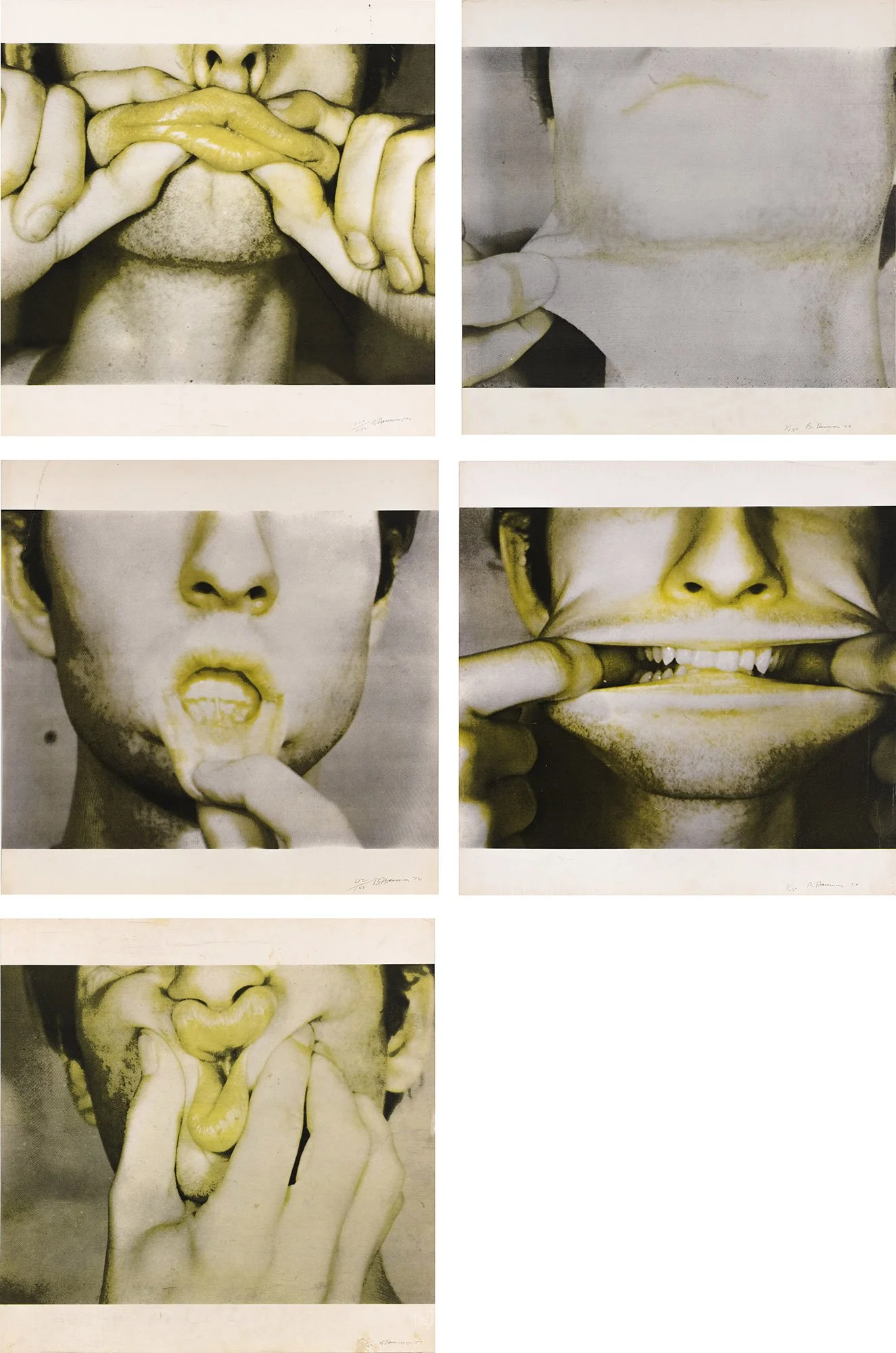
BRUCE NAUMAN "Studies for Holograms", 1970. Courtesy the artist and Sperone Westwater, New York.
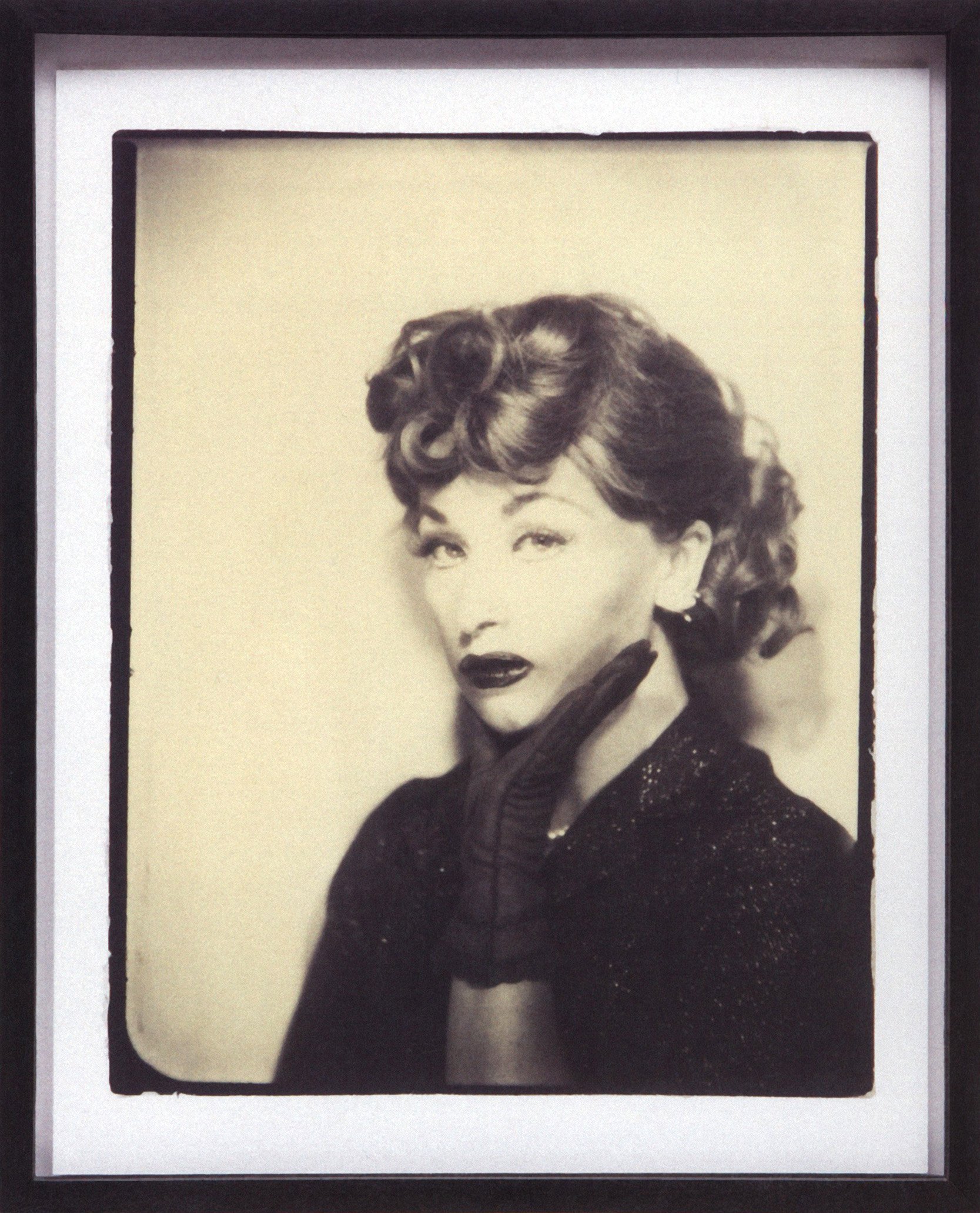
CINDY SHERMAN "Untitled" 1975-2001. © Cindy Sherman Courtesy Sprüth Magers
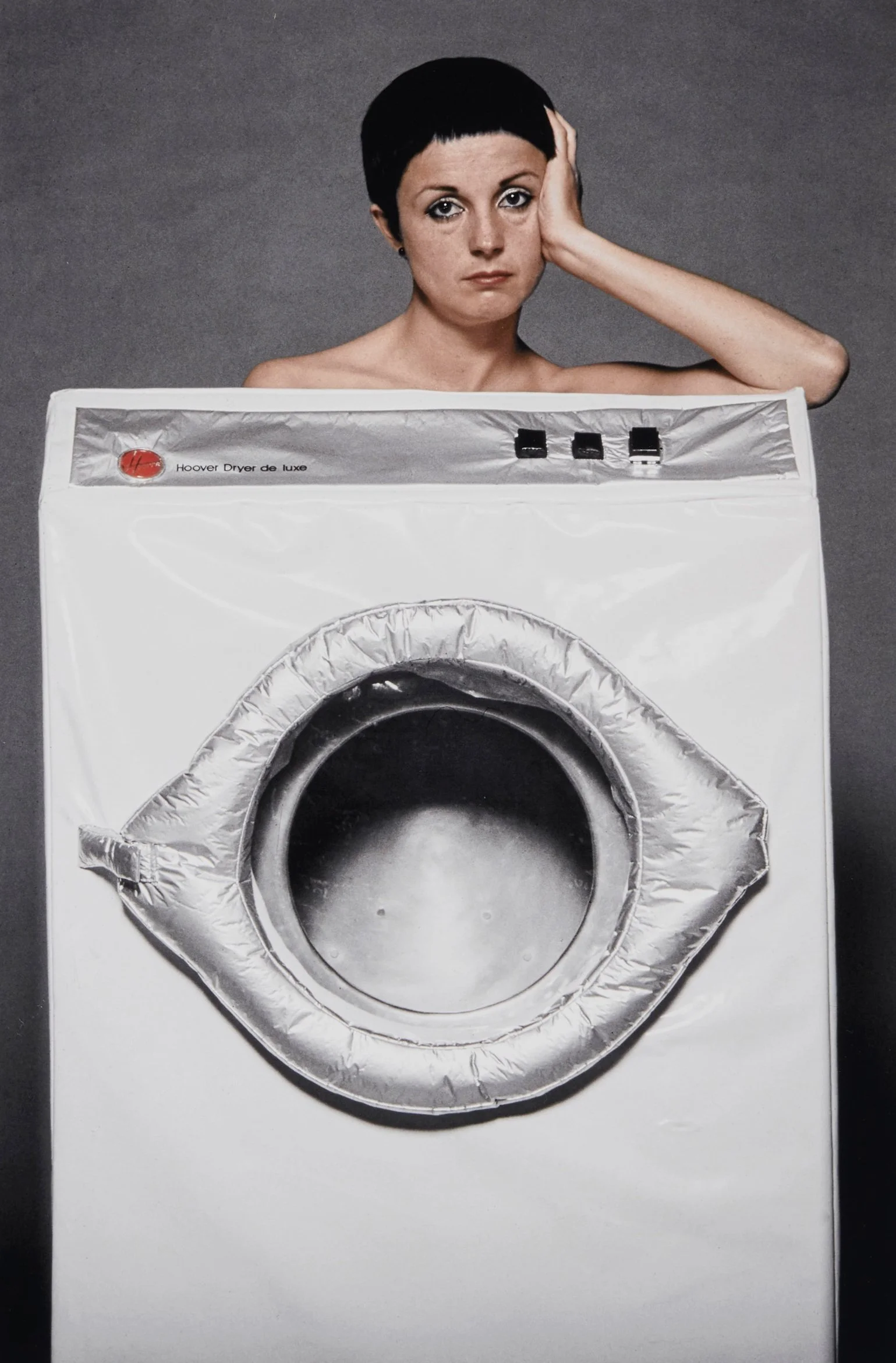
HELEN CHADWICK "In the Kitchen (Washing Machine)" 1977. Copyright Helen Chadwick. Courtesy Richard Saltoun Gallery, London, Rome & New York.

ROBERT CUMMING "67 Degree Body Arc Off Circle Center", 1975/2019 © 2025 The Robert Cumming Archive.The Artists Rights Society (ARS), New York Courtesy Jean-Kenta Gauthier, Paris.
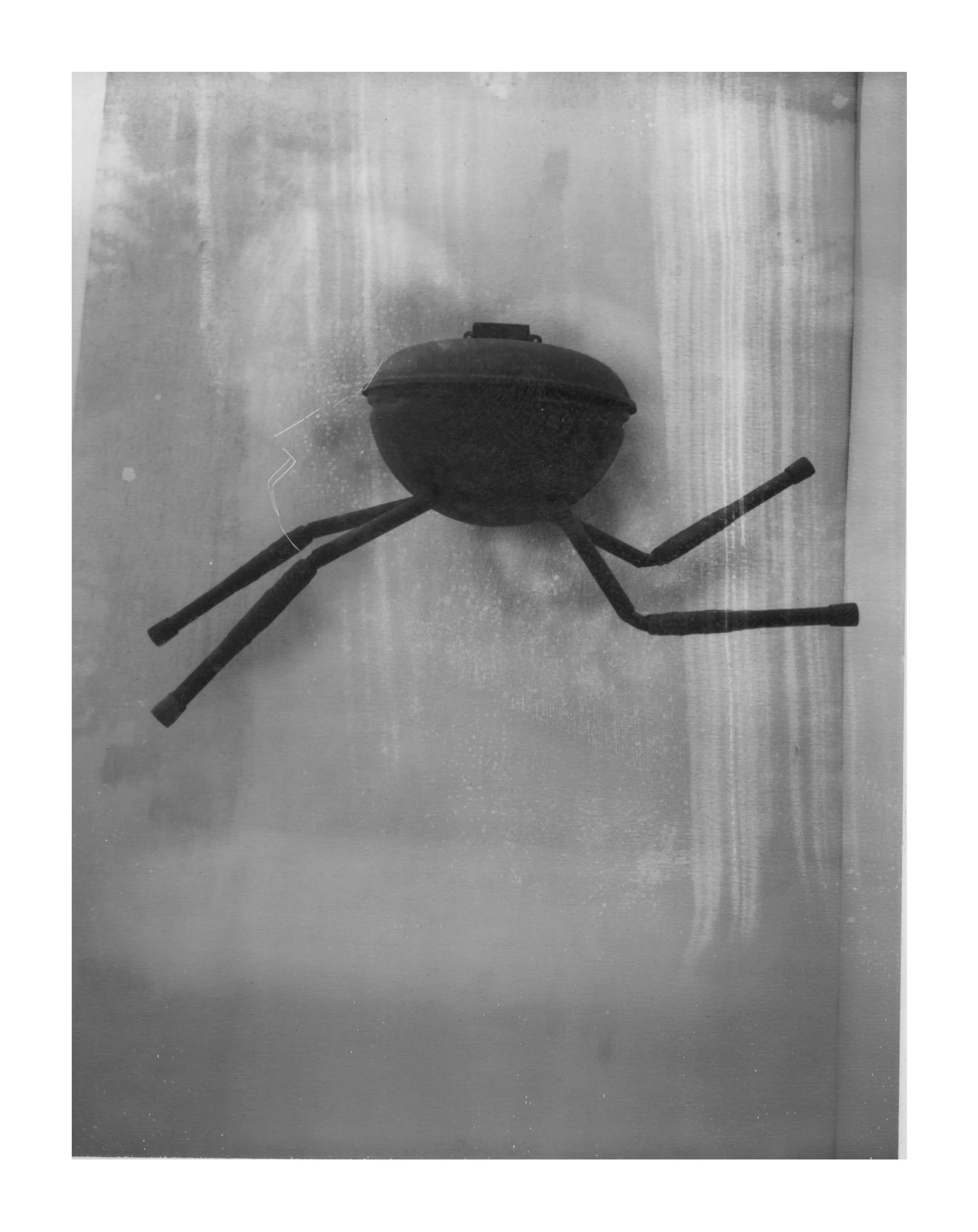
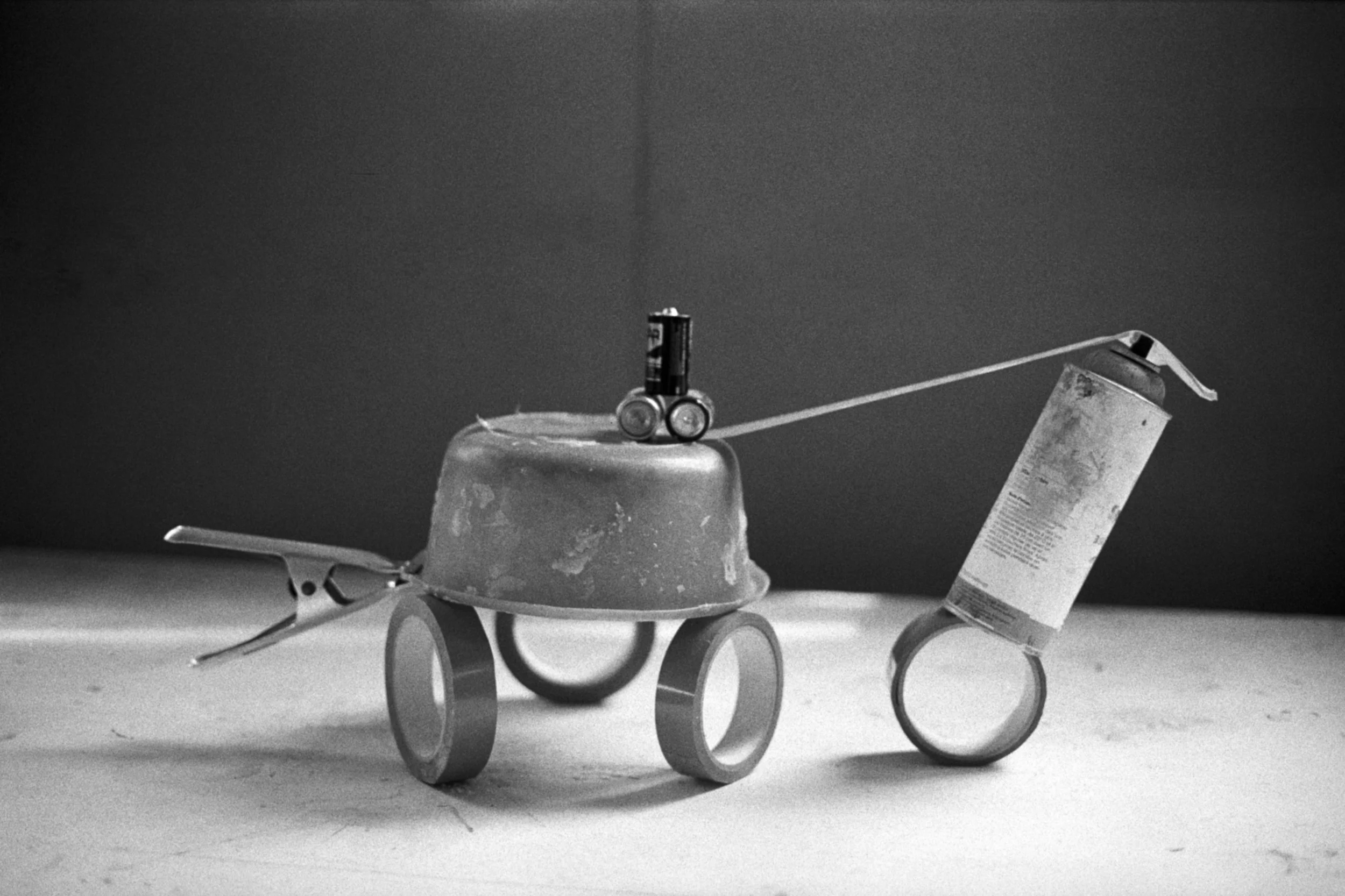
ROBERT THERRIEN "No title (running barbeque)1993. © Robert Therrien Estate, 2025 Courtesy Robert Therrien Estate