By Travis Diehl October 10, 2026
Mac Adams has been making photographs since the 1960s. Recently, he turned to AI. Certain kind of photography purists may find this corny, or a copout. But this tight career survey underscores the theoretical continuity of Adams’s approach, from staged mysteries in 1976 to machine-prompted punctums in 2026. Like series by Cindy Sherman and the L.A. collective Asco, to name two contemporaries, an Adams photograph reads like a decontextualized frame of a film, asking to be narrated.
The AI generated series, titled “American Pastoral”, claims to depict a politically divided country. In one picture, one man buys a gun while another scrolls on his phone; in another, a child dressed in blue shorts and pink shirt ponders which bathroom to use. Another image of a museum opening featuring a questionable impression of a Rothko shows the white donor class hobnobbing while an exhausted dark-skinned guard naps and a caterer scrambles: class and race disparity. The series is not subtle, and not particularly enjoyable to decode. An image of an ICE officer arresting someone on a frozen pond made me laugh out loud. But the series is a good demonstration of the technology’s limits. The problem isn’t that AI art is cheating, or that deep fakes are deceptive, but that image-generating software, by its nature, can only show us cliches. Adams’s “Pastoral” is a kind of Robert Frank “Americans”—the photographer journeying through the country, eyes peeled for weirdness and irony—except Adams journeys through the internet and turns up examples of self-perpetuating extremes and stereotypes. In other words, this series describes the U.S. mostly insofar as the media landscape is consumed by fearmongering and AI.
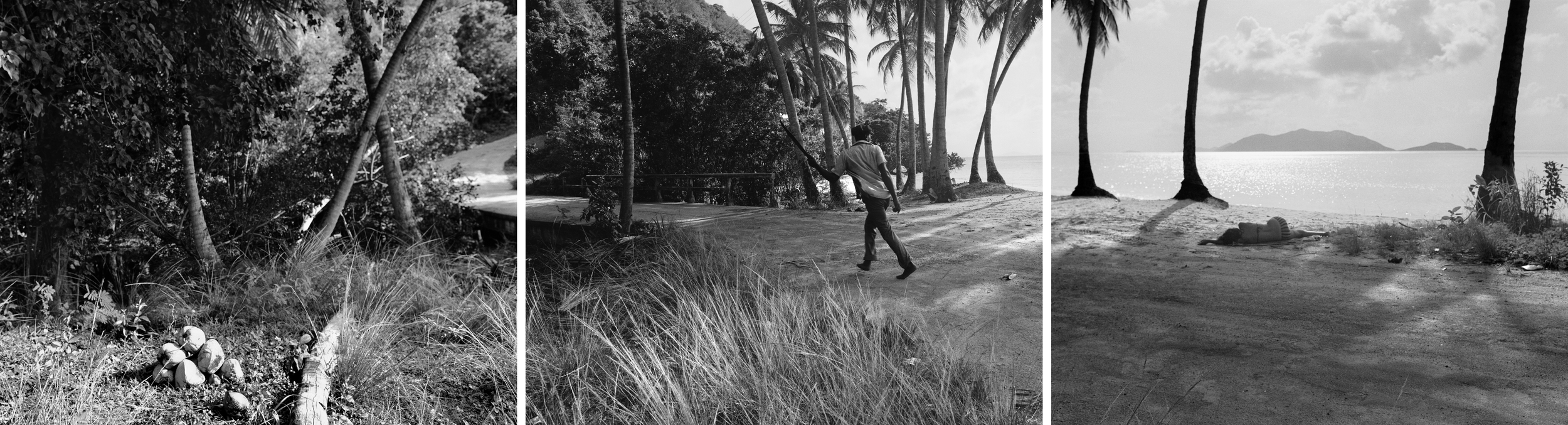
A video interview with Adams plays in the gallery near “American Pastoral”. It’s distracting to have the show explained to you out loud, but also reassuring that the artist, when asked about his AI use, quickly waves away the myth that photographs ever told an objective truth. Cropping, for instance. On view is the grayscale triptych “Double Split” (1978): The center image shows a man wielding a machete, on the right is a woman reclining on the beach, on the left a pile of coconuts. It’s possible to infer salacious and/or banal sequences of events, and/or admit that nothing proves these three images, in separate frames, depict a contiguous time or place.
Adams is not trying to trick us, only playfully muss the line between deception and artifice—and, because not every image-maker is so generous, to keep us from getting too credulous. It would be hard to glance at “Lamp” (2013), thinking it’s a product photo of a modernist lighting fixture, without noticing that each polished silver globe of its base reflects a gruesome crime scene. A series titled “Islands” shows odd still lifes of hard cheese, rocks, grass, and dry flowers that cast shadow puppets of mice, cats, and soldiers. The transparently staged scene, the shadow play, and the photograph (a kind of shadow play, after all) collapse into a simultaneous performance of and meditation on the suggestibility of reality.
The show is titled “Actus Reus” which is translated to “guilty act” in Latin—perhaps referring to the crimes of passion implied in many of Adams’s photos, but also maybe the guilty act of using AI to make art. This is not to say the show is “about artificial intelligence” nor to dismiss the problems of large-scale automation of images, among other ills of the big-data era. Instead, Adams shows how photography will survive technology’s challenge to its claim on truth: by never having made that claim in the first place.
Travis Diehl is a critic, writer and editor and is a recipient of the Andy Warhol Foundation Arts Writers Grant and the Rabkin Prize in Visual Arts Journalism.
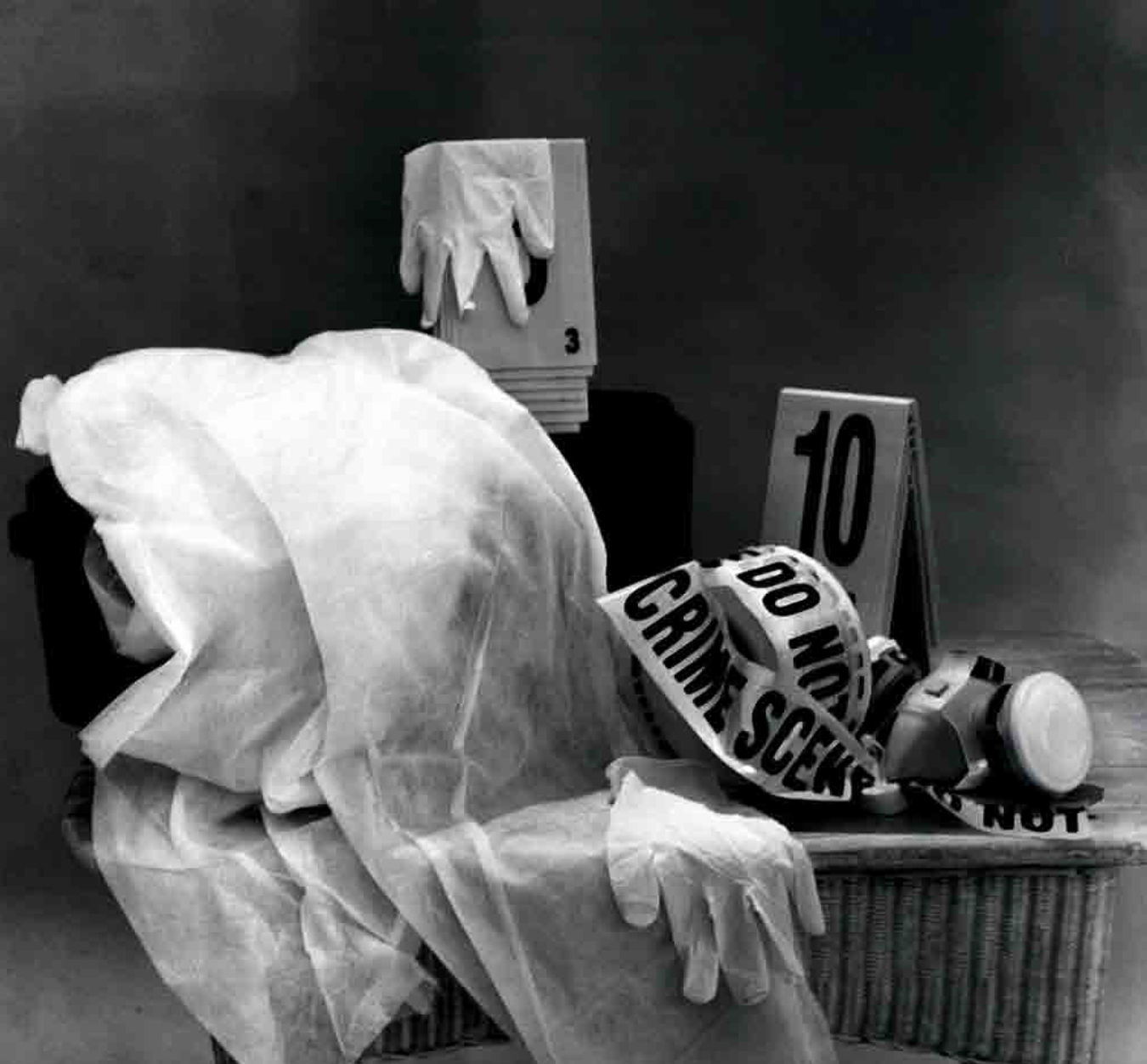
MAC ADAMS "Forensic Still Life" 2009.
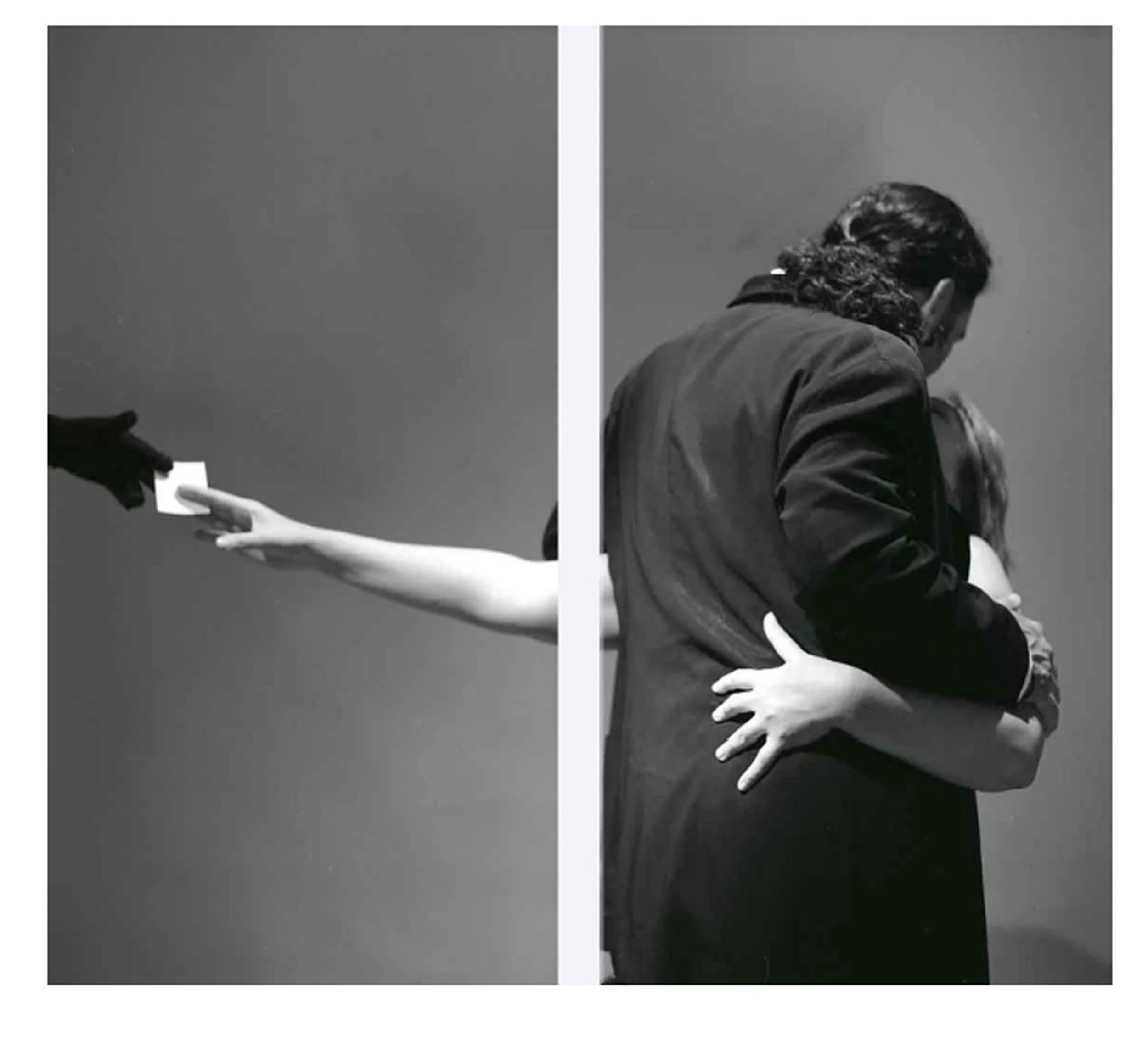
MAC ADAMS "Half Truths Untitled 2" 2002.
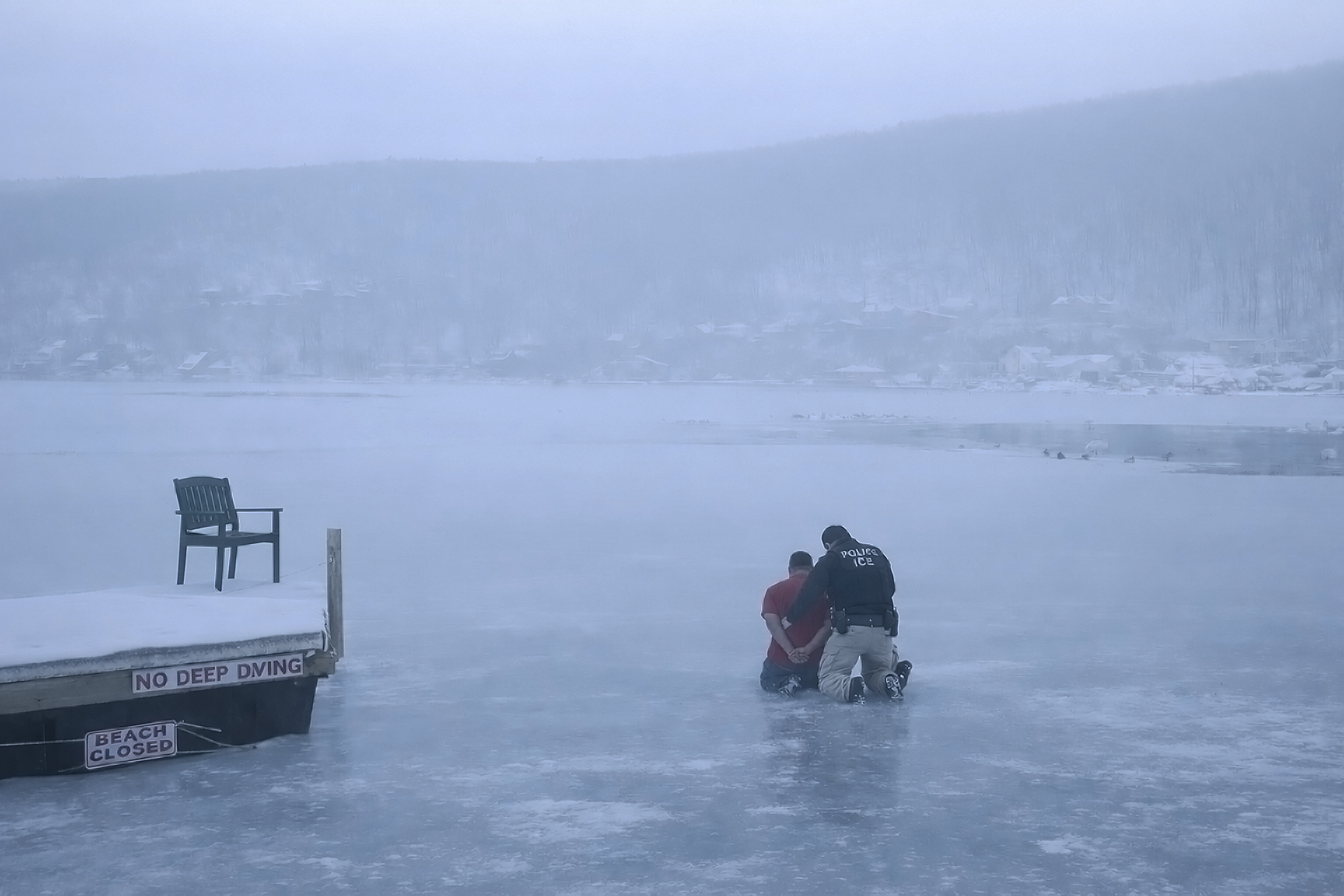
MAC ADAMS "Ice on Ice" 2026.
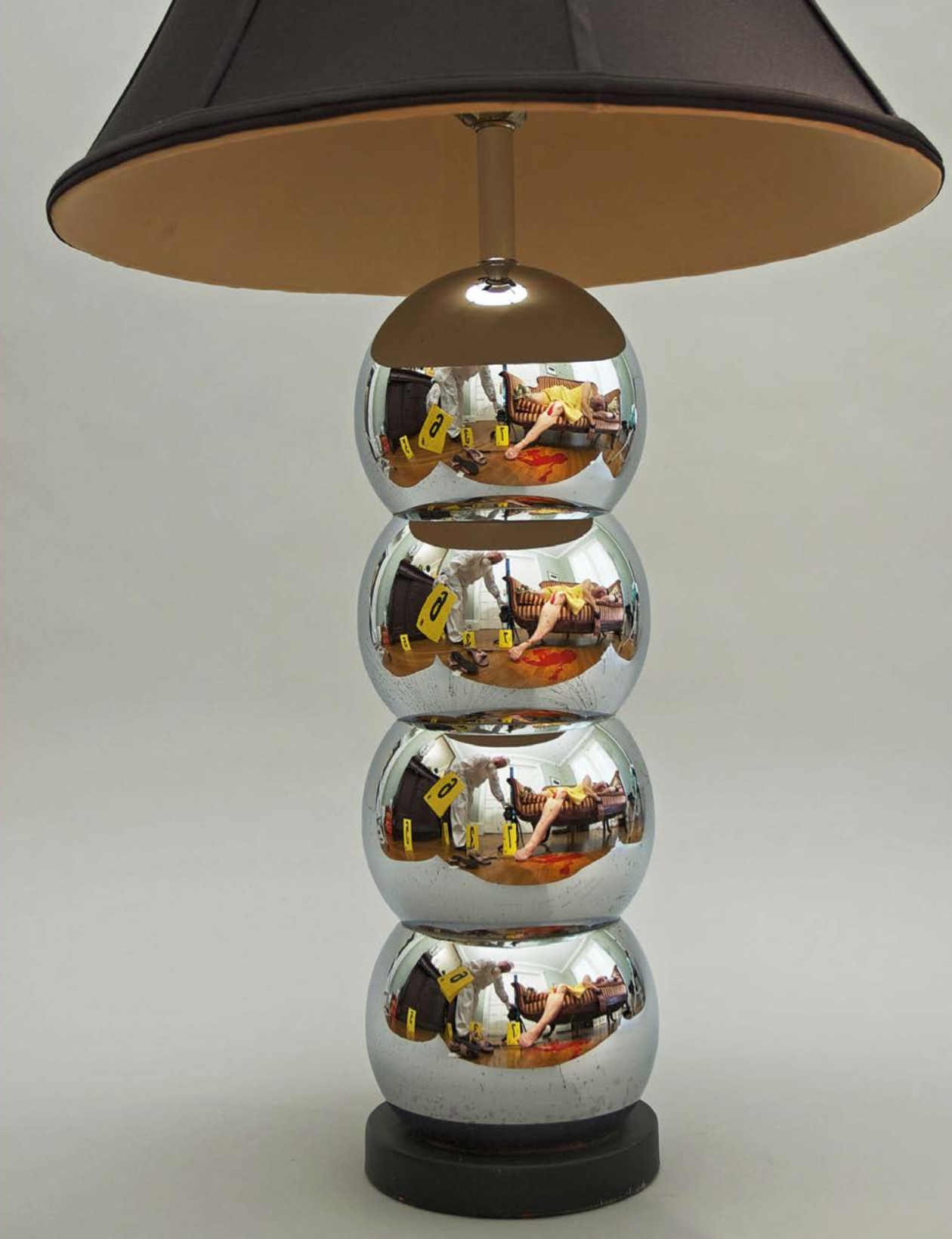
MAC ADAMS "Lamp" 2013.
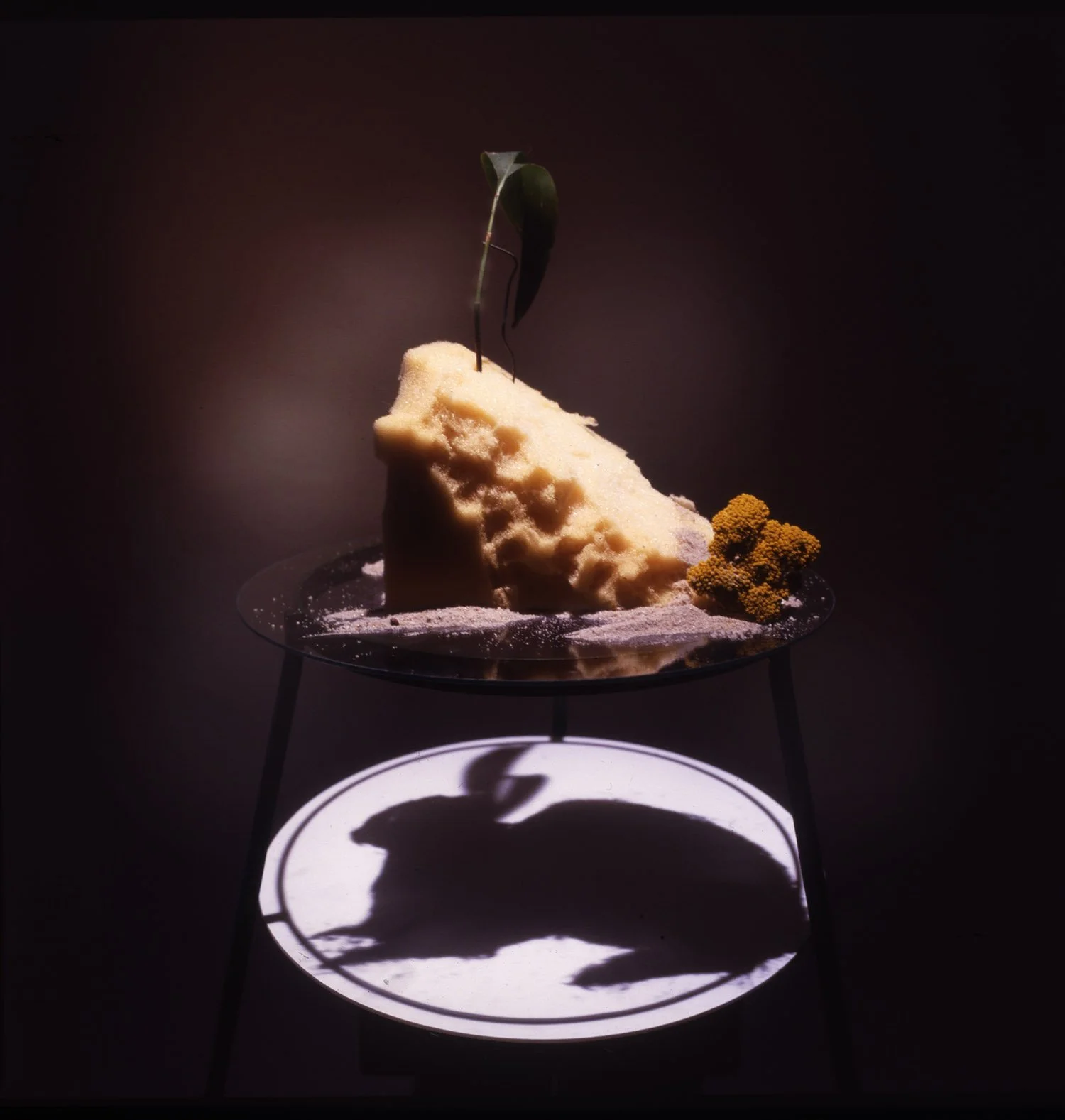
MAC ADAMS "The Rabbit" 1999.