By Keren Moscovitch, November 10, 2026
The International Center of Photography takes a bold and courageous stance by featuring “Laia Abril: On Rape and Institutional Failure”, an exhibition curated by Sara Ickow that pulls no punches in its broad indictment of global seats of power in perpetuating gender-based violence. Abril is an accomplished artist with a clear and unapologetic agenda: to expose the persistent institutionalization of misogyny across history and cultures. In the current installation of her larger ongoing project, she focuses on the role of governmental and political figures who centralize and normalize violence against women and girls through laws, public speeches and communications embedded in the daily life of citizens.
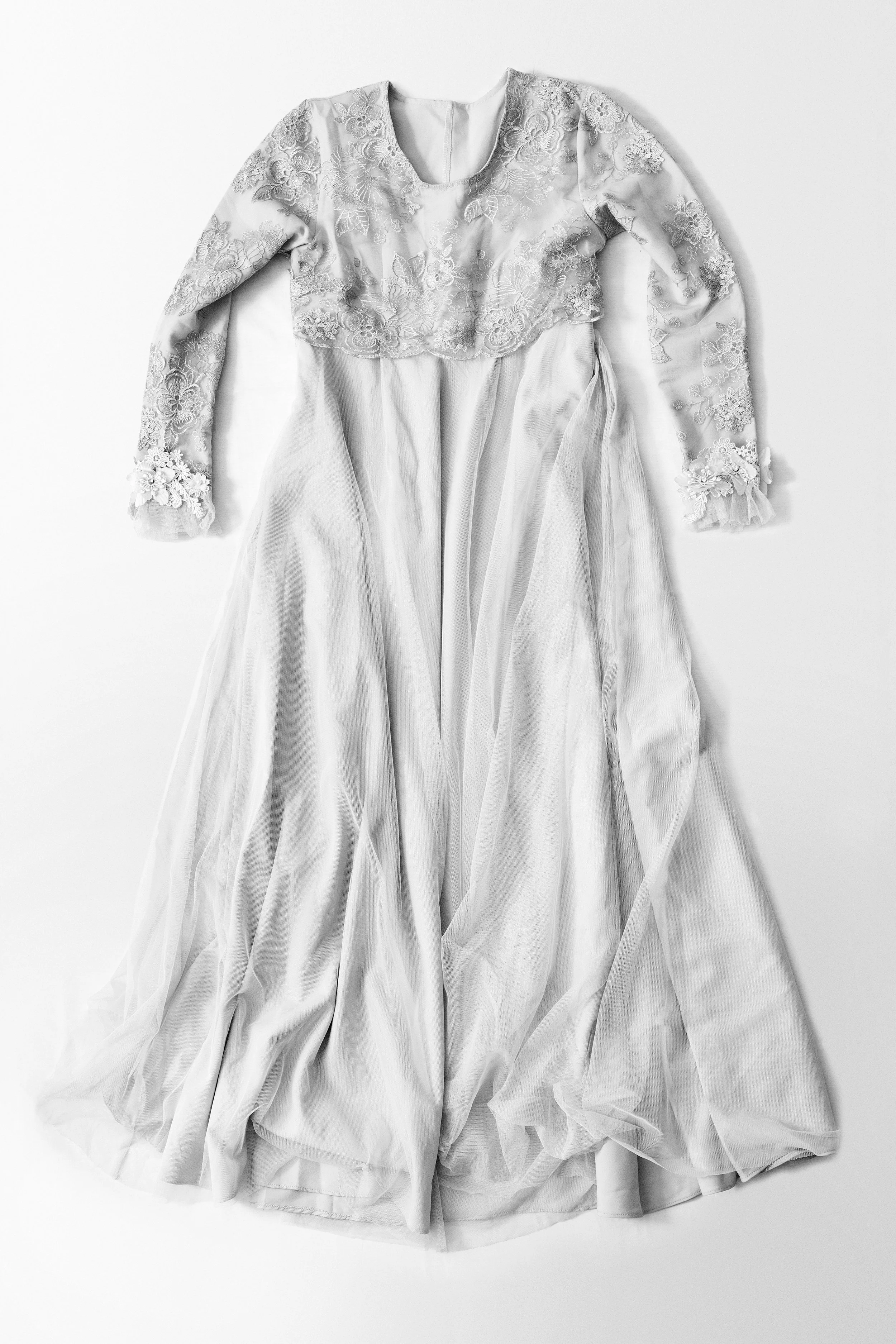
The exhibition opens with victim narratives via diptychs featuring a life-size photograph of a woman or girl’s outfit, crowned by a smaller textual description of her rape or molestation. Outfits include a Kyrgyz wedding dress, a transgender inmate’s prison uniform, an Afghani burqa, a nun’s habit, an American military uniform, a Colombian little girl’s school shirt, a Congolese dress, and a South African soccer uniform. The clothes appear deflated, devoid of the physical bodies that used to inhabit them, and point to a loss self-suffered by victims. Each written testimony, sometimes presented in the voice of the survivor, and other times from the perspective of someone who has cared for her, describes in visceral detail the horrific event memorialized by the corresponding outfit. Abril has taken care to present a global narrative spanning a variety of cultures, circumstances and gender identities. These “uniforms” represent the event and cultural context, and point to the institutionalized environment that made the abuse possible.
While the overall impact is powerful, the vignettes feel run the risk of exoticizing gender-based violence by placing it in traditional societies, war-torn nations and the marginalization that these individuals already embody. I found myself wanting more of a conversation about the tragic mundanity of sexual violence, how it happens within friendships, workspaces and through the nuanced and insidious channels of the everyday.
The next portion of the installation employs symbolism and the indirect referents of still-life photography to unpack the folkloric, mythological and religious roots of gender-based violence. Like the majority of the exhibition, all the photographs are in black-and-white, lending them an anthropological register. The photographs and accompanying texts reference items such as a European folkloric magic potion made of menstrual blood, a modern Chinese hymen repair kit, and a recipe for a vagina-tightening ointment alongside a photograph of a deer skull. We learn of Biblical maps directing the types of punishments (for victim and perpetrator) dictated by the circumstances of a rape, while viewing a prehistoric carved rock fragment labeled as a museum specimen. These evidentiary style photographs then give way to more expressionistic abstractions such as a dark blood stain against a white background to illustrate the “white sheet test” of virginity, and a high contrast blur of dark splashing water to accompany a description of “purity by water” in which a woman is potentially drowned in the attempt to prove her virtue. The combination of photographs that seem pulled out of a criminal investigation and those with a more poetic and emotional association point to the reality that Abril is trying to uncover, which is how the torture of women and girls is embedded into the legal and psychic fibers of humanity.
In the third and final portion of the exhibition, viewers are confronted with scientific and medical responses to rape, and the violence accompanying even those technological approaches seeking justice and repair. We see a rape kit encircled by red security seal tape on display in a glass vitrine, and photos of a chemical castration kit, a chastity belt, and a larger-than-life model of a human eye accompanied by a text describing an eyeball assessment to determine whether a subject has been masturbating. The most contemporary items include an investigation into the rape of avatars in virtual spaces, deepfakes, and AI induced rape.
Throughout the space are framed signs of actual statements made by modern politicians, such as “IF IT’S A LEGITIMATE RAPE, THE FEMALE BODY HAS WAYS TO TRY TO SHUT THAT WHOLE THING DOWN,” memorably spoken by former Republican U.S. representative Todd Akin; or “I’M NOT GOING TO RAPE YOU. BECAUSE YOU’RE VERY UGLY,” a statement by Jair Bolsonaro, the former president of Brazil. The conflation of male power over women and girls who are made responsible for their own abuse is vividly displayed in the quotes, while the photographs show the ways that the same violence emerges in supposedly protective strategies and objects. The sum of these parts is the shocking (to some) and sobering realization that the institutionalization of gender-based abuse is ensconced in laws, customs and the very fabric of our societies. Embodying the totality of Abril’s investigation is a quote by Republican U.S. Congressman Steve King: “WOULD THERE BE ANY POPULATION OF THE WORLD LEFT [IF IT WASN’T FOR RAPE OR INCEST]?” The very possibility that sexual violence has become so integral to human civilization is the most damning demonstration of the need to expose it and our own complicity.
Keren Moscovitch is a multimedia artist and scholar. She holds a PhD from the Institute for Doctoral Studies in the Visual Arts and is on the faculty of Parsons School of Design at The New School. Her volume “Radical Intimacy in Contemporary Art” was published by Bloomsbury in 2023.
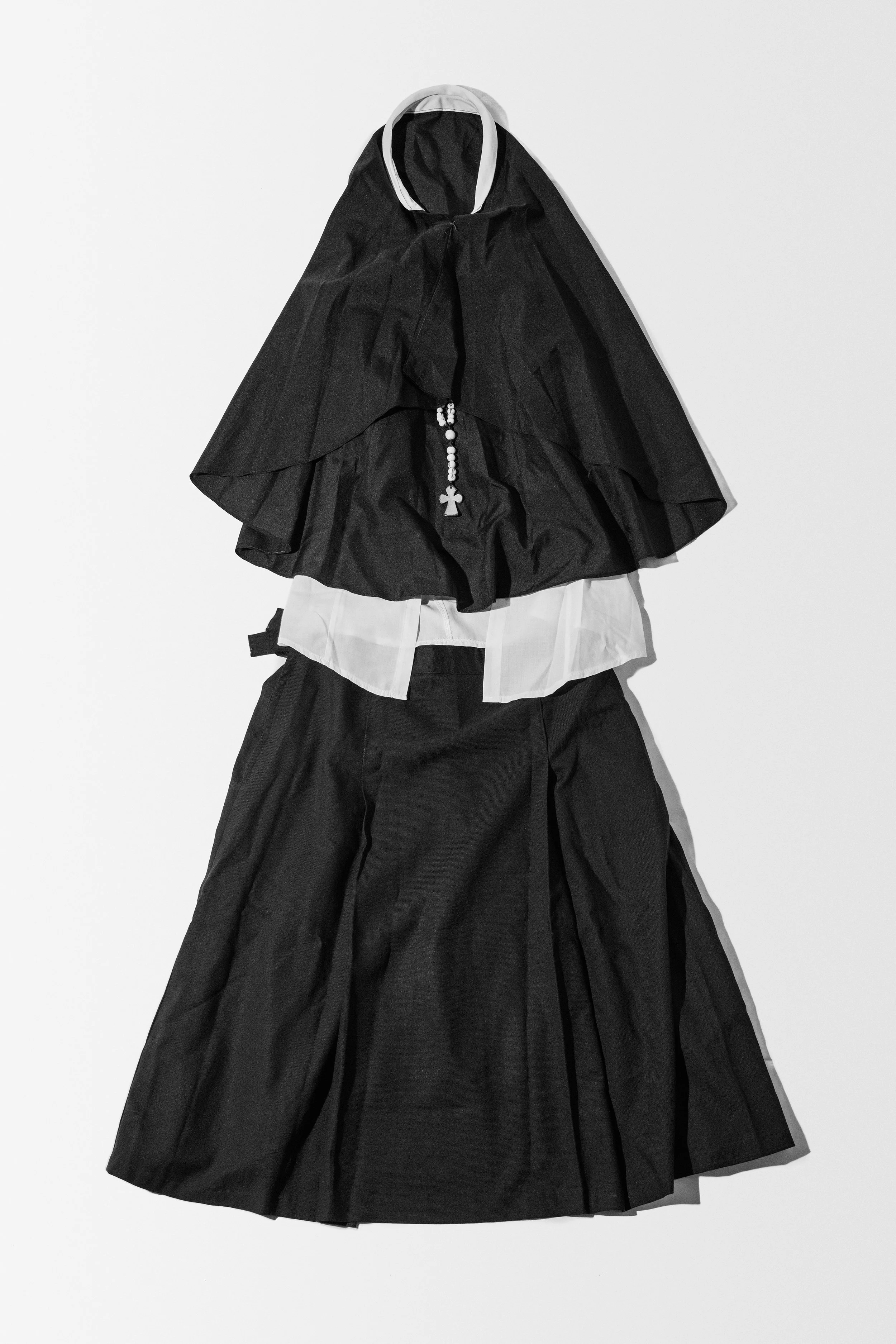
LAIA ABRIL "Church Rape, Argentina", 2019 © Laia Abril, Courtesy Galerie Les filles du calvaire, Paris.
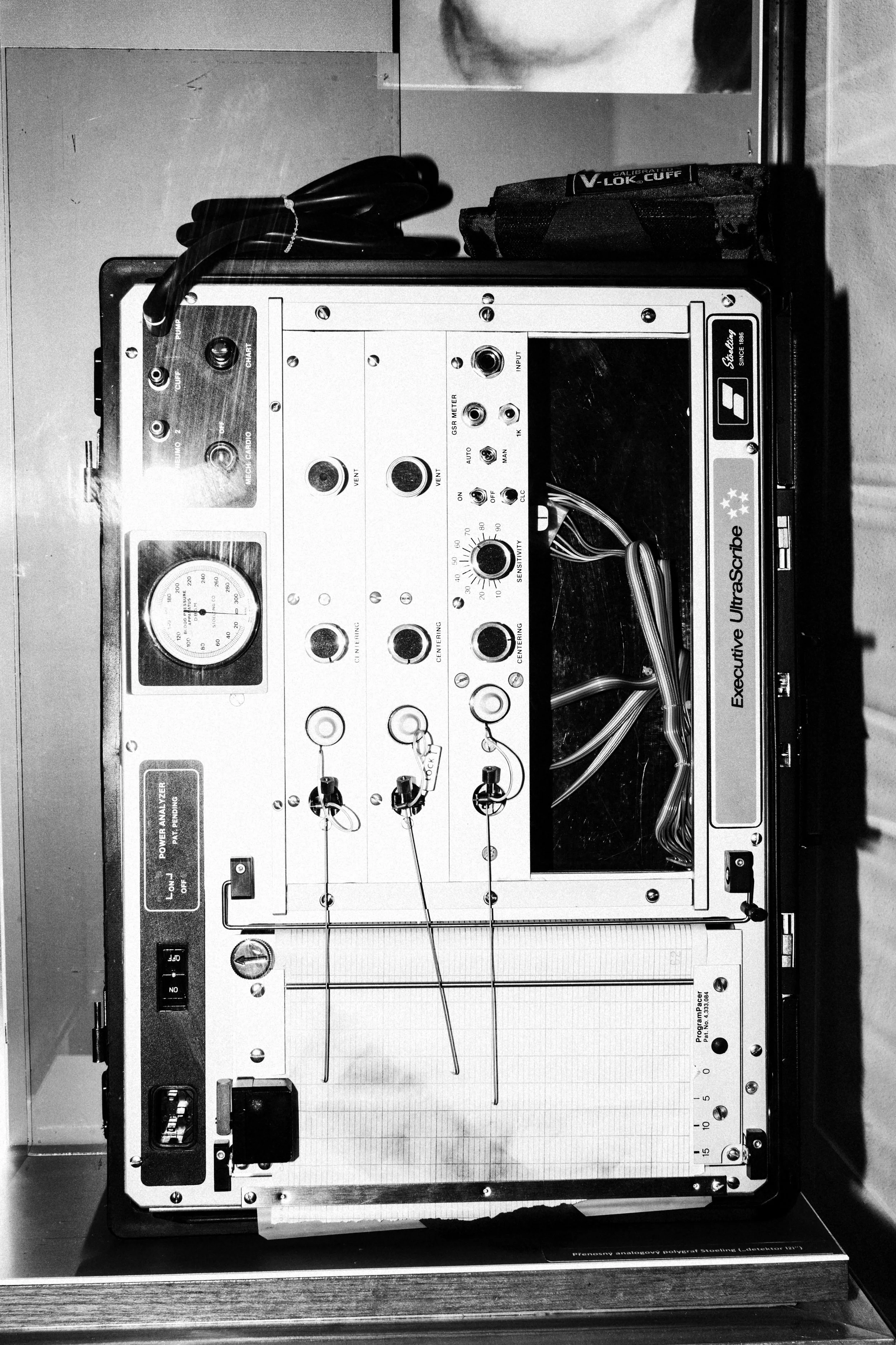
LAIA ABRIL "Fear Detector" 2019 © Laia Abril, Courtesy Galerie Les filles du calvaire, Paris.
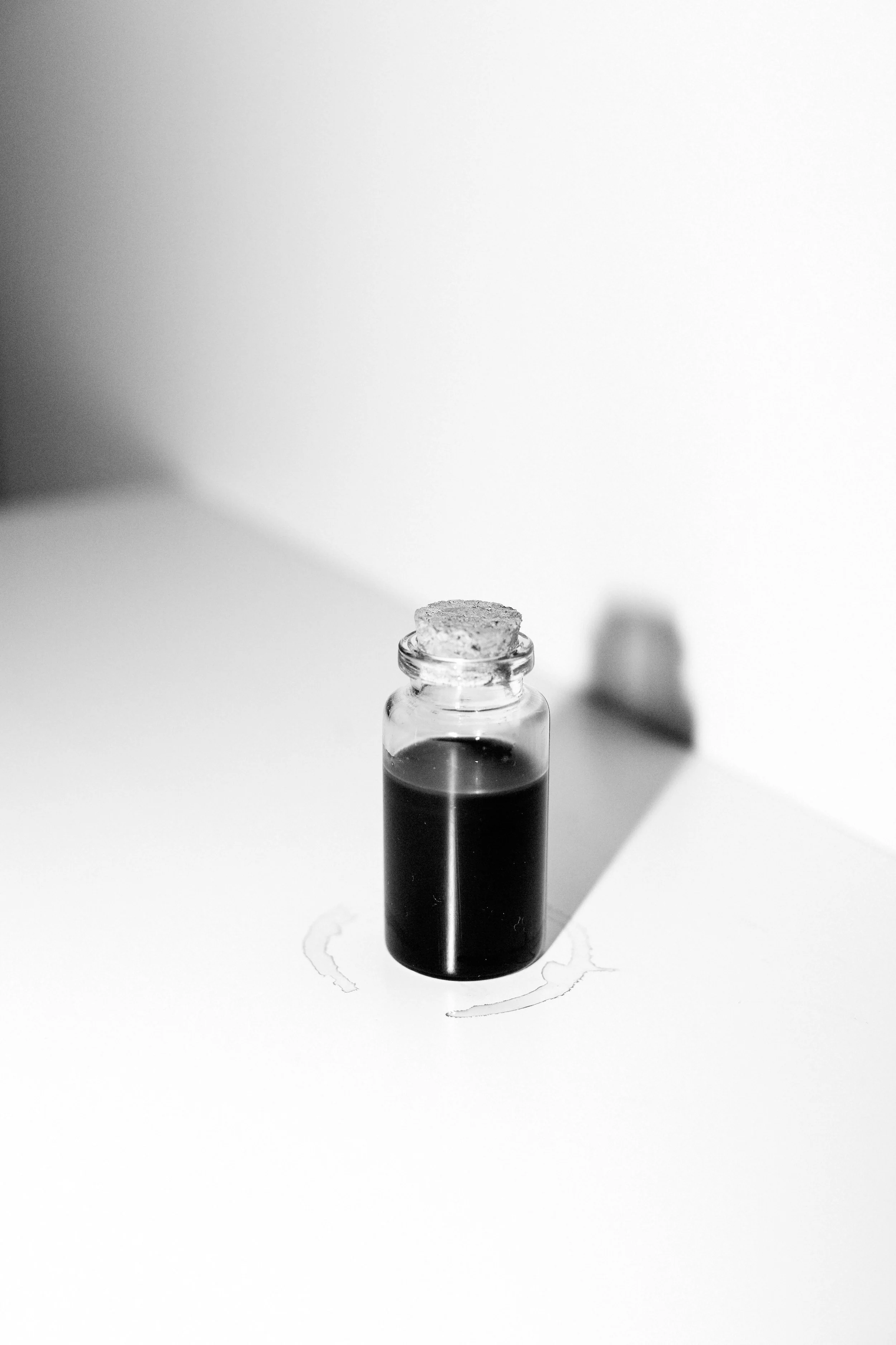
LAIA ABRIL, "Magical Blood, US", 2019 © Laia Abril, Courtesy Galerie Les filles du calvaire, Paris.
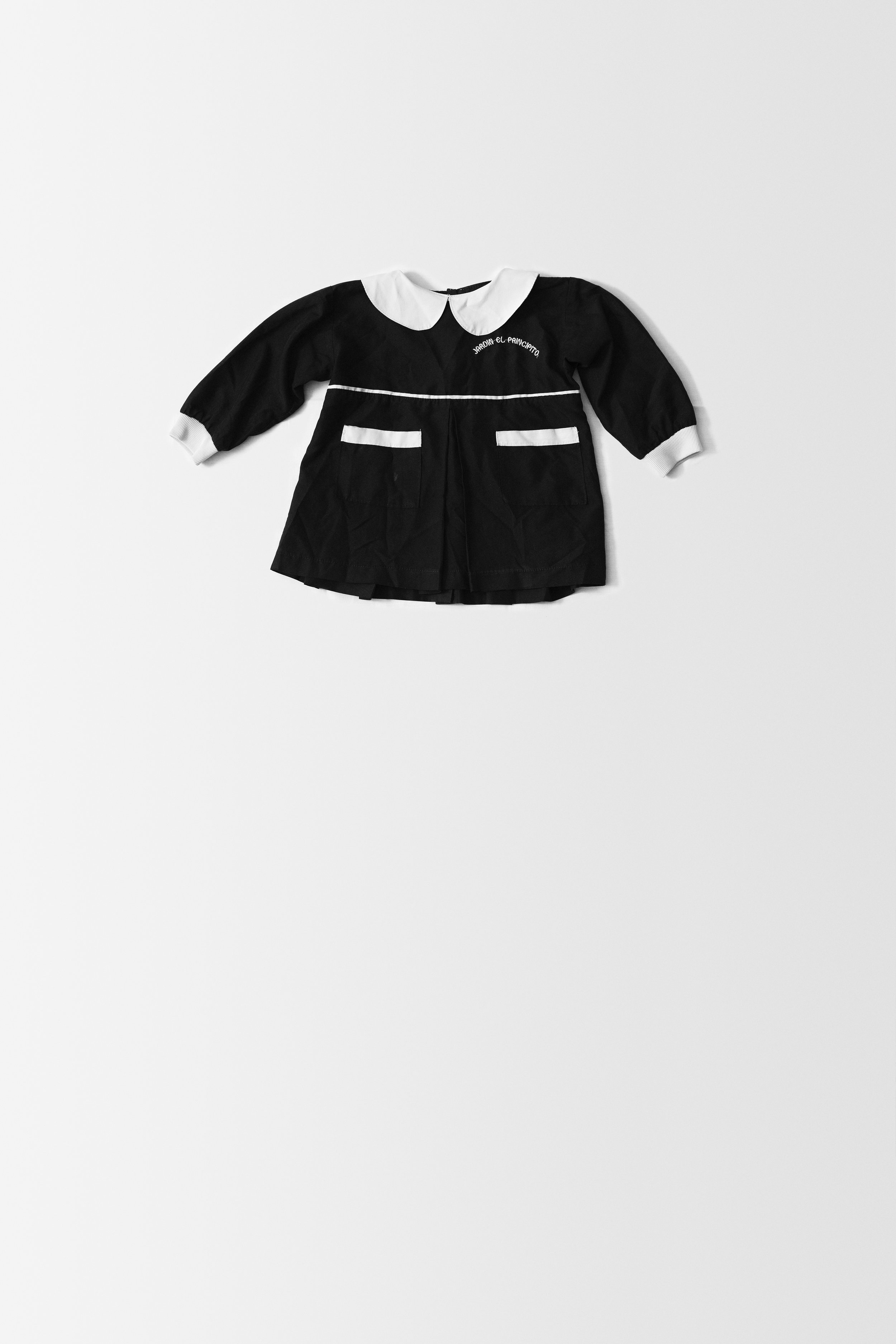
LAIA ABRIL, "SCHOOL RAPE” 2019 © Laia Abril, Courtesy Galerie Les filles du calvaire, Paris.

Installation view LAIA ABRIL "On Rape and Institutional Failure" ICP 2026.