
By Jean Dykstra, May 10, 2026
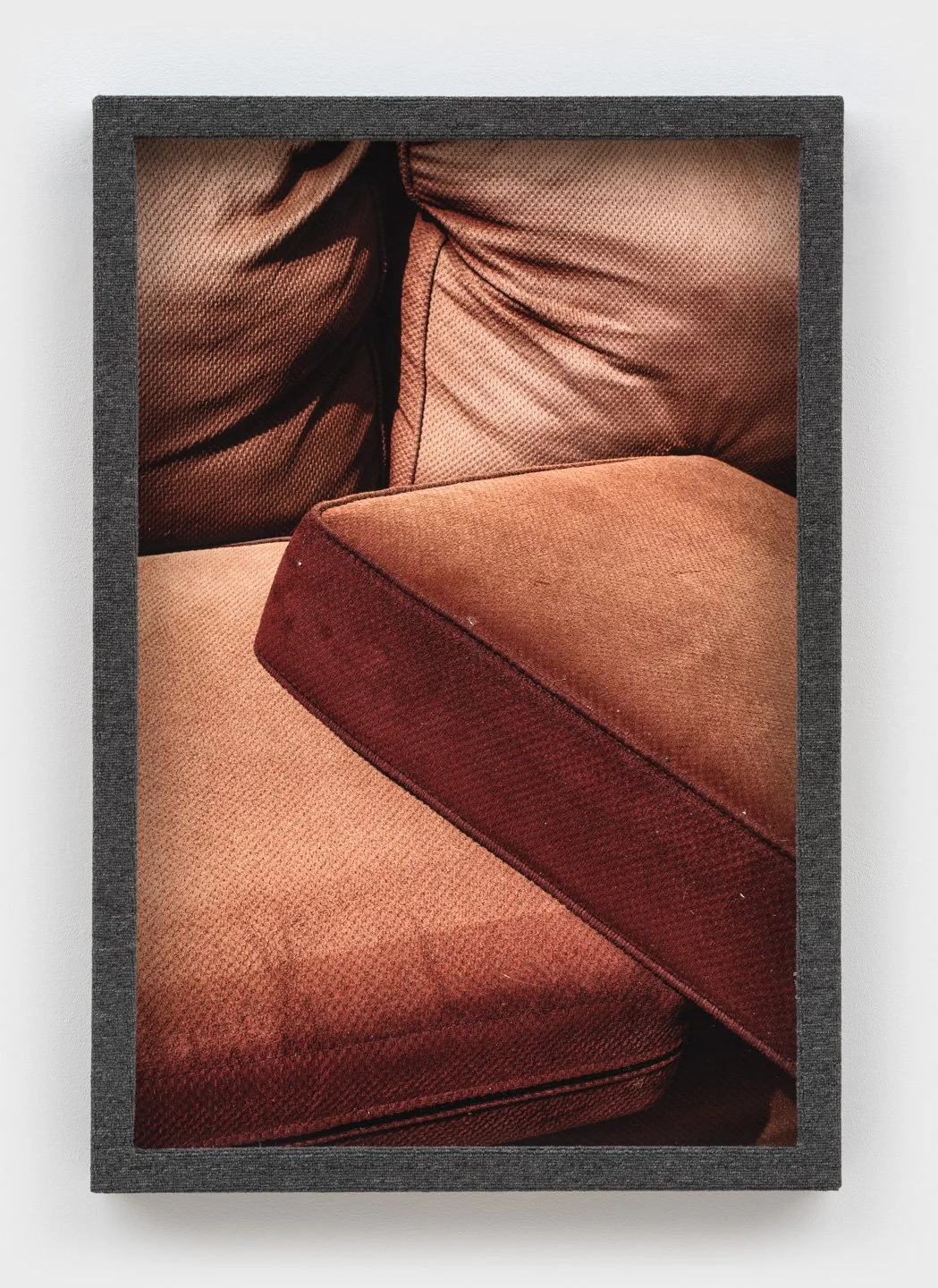
Photography, observed Lewis Baltz, “is the only deductive art. … [It] begins with a world that is, perhaps, overfull and needs to sort out from that world what’s meaningful.” The eight tightly cropped photographs in Chris Wiley’s exhibition “Galesburg” do that sorting by homing in on details of signage, architectural facades, furniture or vehicles that are, by turns, peeling, torn, broken, graffiti-tagged, or dented. With close attention, and a bit of indirection, his photographs allude to the material deterioration of a small town. Like Wiley’s earlier series, “Dingbats”, which took overlooked architectural details in Los Angeles as its subject, these photographs are framed and composed to capture a formal geometry of angles, lines, and pops of color. Where the images in “Dingbats” leaned more toward abstraction, flattening the picture plane in a way that accentuated texture and pattern, the photographs in “Galesburg” pull back just enough for the viewer to register (sometimes) what we’re seeing. There’s a well-used couch, one cushion askew; the taillight of a red truck hanging forlornly out of its socket; the cracked Plexiglas sign for a coffee shop, whose surface is tagged with graffiti (as well as two insects, their shadows cast on its surface by an unforgiving sun); a weathered corrugated metal building covered in dry, brown ivy. Some images recall John Lehr’s closely observed photographs of the signage on empty storefronts (“The Last Things”) or details photographed by Brian Ulrich in his “Dark Stores, Ghostboxes, & Dead Malls” series.
But Wiley’s photographs, taken in the small central Illinois city of Galesburg, where his father’s family is from, allude more to the impact of deindustrialization and economic downturn on the domestic sphere than the commercial one – and the overlap between the two. Formerly a railroad town and a factory town, Galesburg is now “a prison town, a meth town, a fentanyl town,” writes Wiley, a curator and critic as well as a photographer, who contributes regularly to the New Yorker and other publications (including this one), in the press release. By photographing the signs of wear and tear on small-scale, domestic details – a truck, a couch, the tattered window shades of an attached house – with tenderness and regard, Wiley alludes to the inevitable and related decline in the health and financial stability of the people of Galesburg (and by extension, other small cities across the country). Those people hover like ghosts in the background of these prose-poem images, evoked in the photographs without being centered and subject to the voyeurism of well-meaning social documentary tropes.
As he did in his series Dingbats, Wiley has encased the photographs in Galesburg with handmade frames made of low-end materials that often relate in some way to the subject: a roughly spackled concrete frame around the corrugated metal building; white subway tiles around a down-at-heel rowhouse; lengths of industrial grey Traffic master carpeting framing the couch cushions. The frames lend the works a sculptural quality, enhancing the object-ness of the photographs; they also gesture toward the idea of using everything at hand and not letting materials go to waste. Even so, the frames felt like a distraction from Wiley’s attentive, sharply observed photographs. They may have been intended to emphasize the compositional rather than the informational aspects of the photographs (photography not as window or mirror but as object). But it’s clear, frames or not, that these images are the product of intentional compositional choices made by the photographer rather than a representation of reality (though the granular details of his photographs allude, pointedly, to various socioeconomic realities). Wiley’s Galesburg images declare that a photograph is a construction, a choice, an isolated detail selected through the deduction of extraneous material; he’s sorted out, in this small group of images, what’s meaningful.
Jean Dykstra is an editor and critic and has contributed recently to the New York Review of Books, Dear Dave, magazine and The Brooklyn Rail. The recipient of an Andy Warhol Foundation Arts Writers Grant, she was the editor of photographmagazine from 2013-2024.
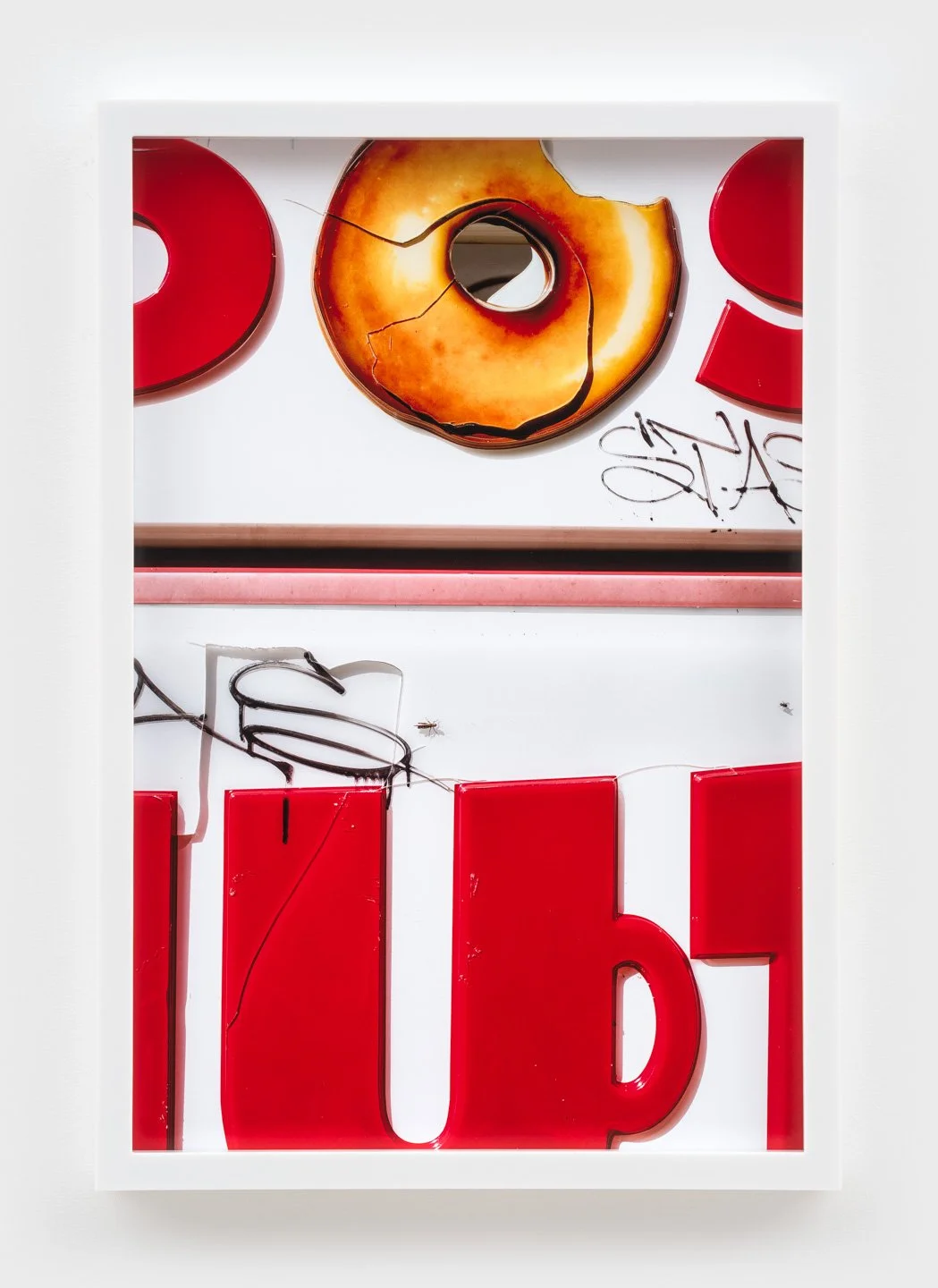
© Chris Wiley. Courtesy of the Artist and Nicelle Beauchene Gallery.
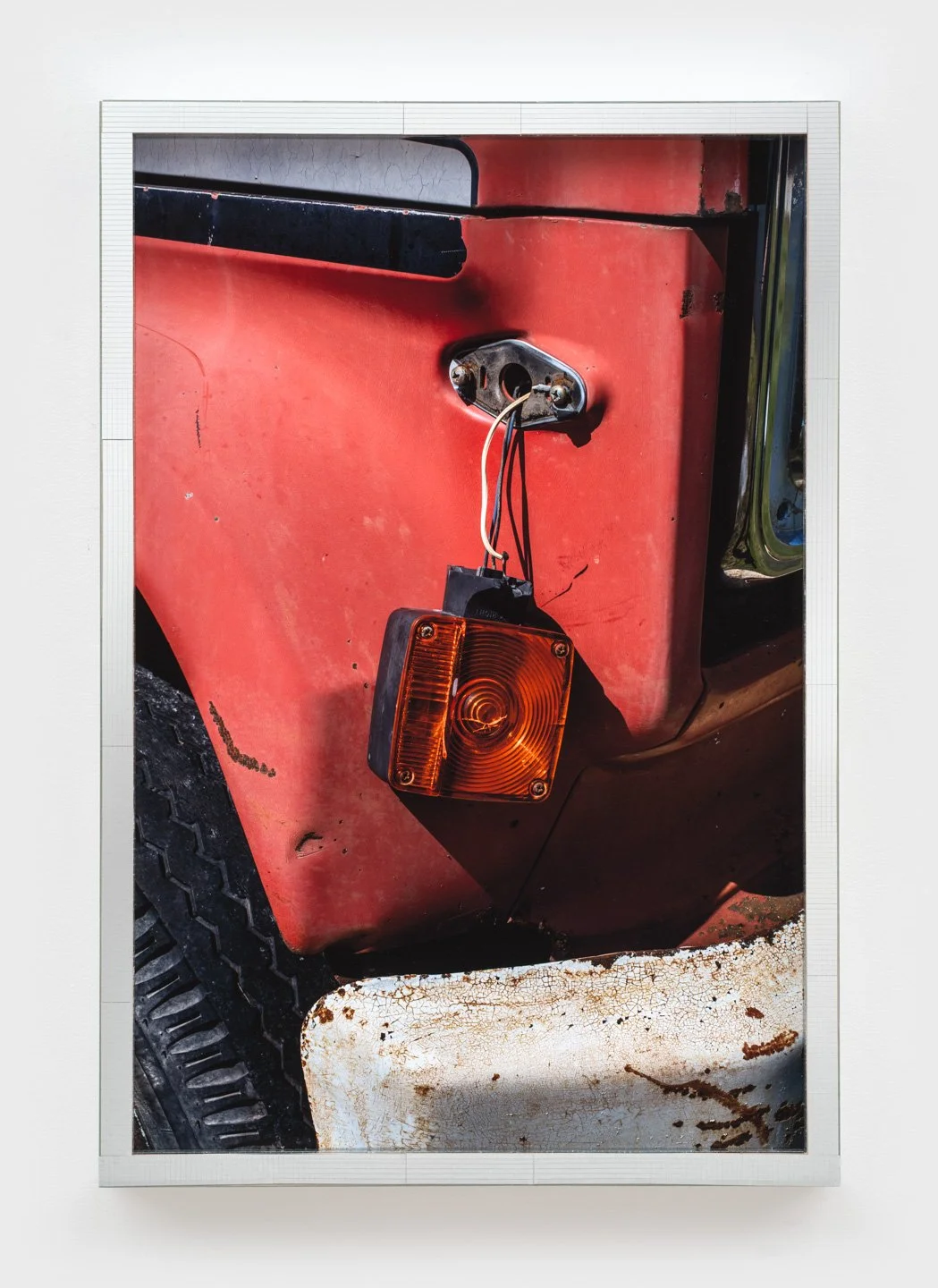
CHRIS WILEY “Untitled (American Picture) 3” , 2026 © Chris Wiley. Courtesy of the Artist and Nicelle Beauchene Gallery.
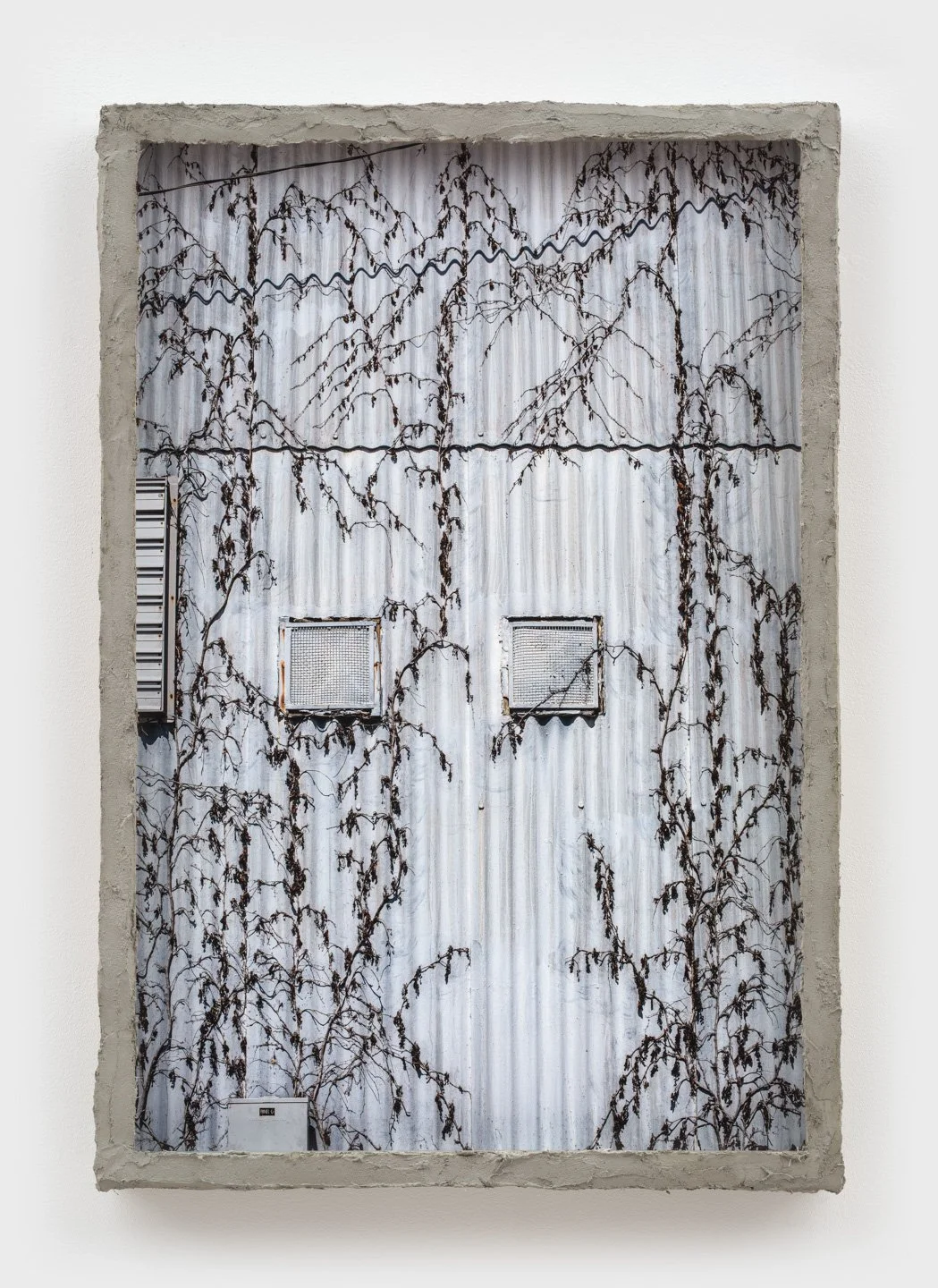
Chris wiley “Untitled (American Picture) 5”, 2026 © Chris Wiley. Courtesy of the Artist and Nicelle Beauchene Gallery.
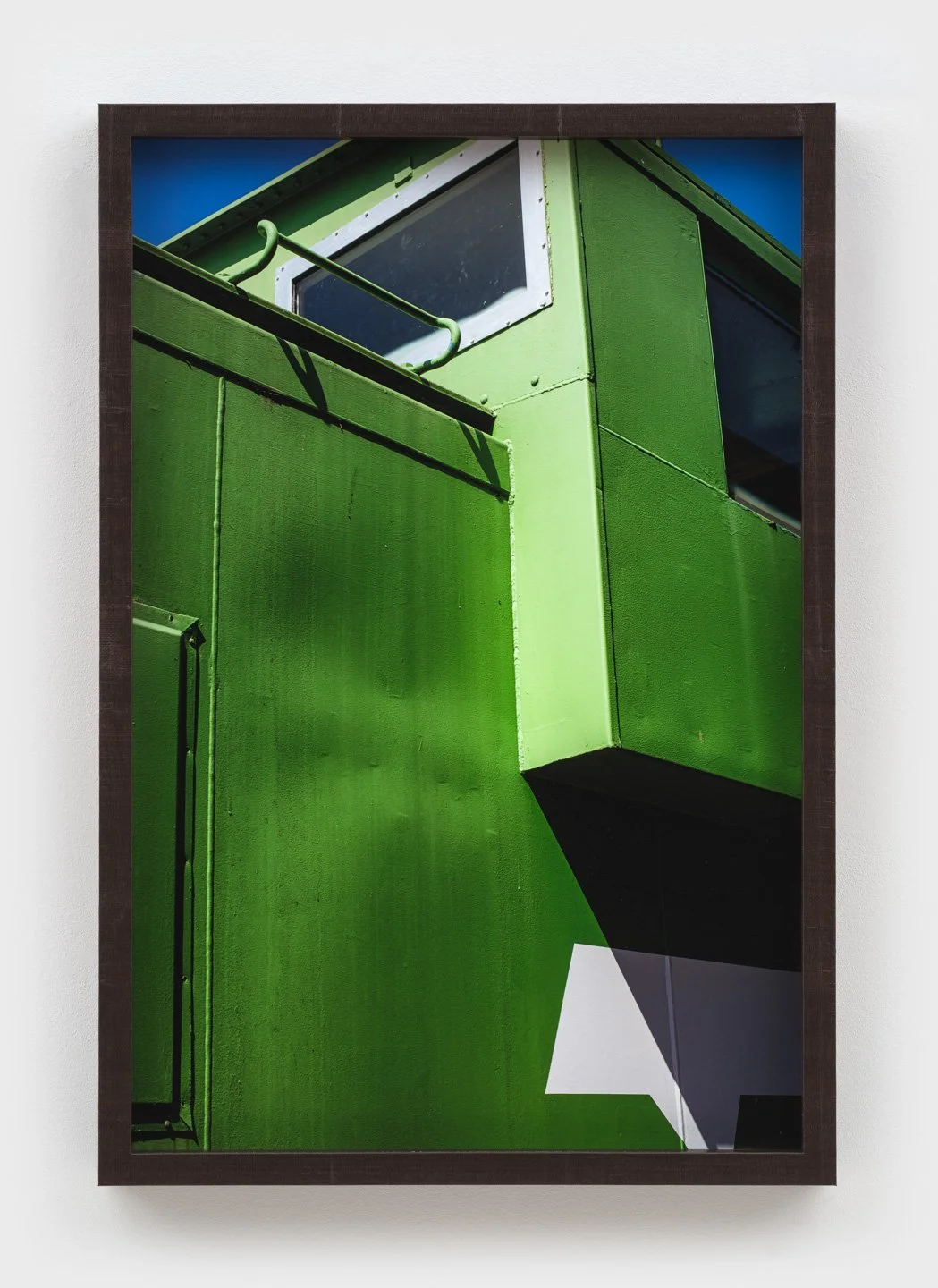
Chris wiley “Untitled (American Picture) 7”, 2026 © Chris Wiley. Courtesy of the Artist and Nicelle Beauchene Gallery.