

By Marley Trigg Stewart, May 10, 2026
For David Armstrong, yearning was an eternal state. This is ever clear in Armstrong’s first US retrospective, titled “Portraits”, on view through May 23rd at Artists Space in New York City. Curators Kelly Taxter and Jay Sanders contend that Armstrong, at the core of his practice, was a portraitist with a deep awareness of self, growing as an artist to consider the essence of time, place, and objects photographically. Armstrong’s affinity for 16th century Renaissance paintings is evident, as his subject matter, ranging from sun-dappled models to obscured views of his Jefferson Avenue studio, evoke both the melancholy of Titian’s early landscape sketches and the color palettes of Mannerist portraits. The works on view, a bounty including artist notebooks and a restaging of Armstrong’s salon style installation from a 2004 exhibition, convey the sense that Armstrong was reaching for something, and in that act rendered the absence and loss that shaped the world he lived in.
The exhibition itself is organized beautifully. A series of black bordered, monochromatic prints greet the viewers ascending into the gallery, out of focus but still recognizable, each a monument: a blue garden urn that feels like a cyanotype, a green hedge on a bright day, a chair in a slightly blown out golden hour, a burst of pink flowers cascading over a wall. Taxter and Sanders continue the thread of these out of focus still lifes and landscapes against the far walls of the south gallery. The attention to how light plays across the photographs, which often depict moments of shifting light, evokes the feeling that somebody has set something aside for us, but has just left the room. Armstrong’s artist notebooks, situated on the far side of the room, feel like a memento mori for the locations where the images were made and those who’ve passed through them. It’s a nice reminder that Armstrong, who is often regarded for his ability to immortalize beauty, was also considerate of its deterioration. Life and death are part of a cycle that is reified not only in the work on display, but how the exhibition organizes the work itself.
This feels especially poignant when examining the vitrines in the center of the room. The northern most display houses a sequence of color photographs, what appear to be inkjet prints, bookended by details from classical paintings enveloped in shadow. In between are portraits of young men in increasing degrees of chiaroscuro, separated by a blurred pair of boxers reclining on a chair.
While Armstrong’s proclivity for beauty in the male form is explicit, what becomes apparent is an acute sensitivity for the temporality of image making, who in the early 2000’s began working with a digital camera where he previously favored analogue media. Just above and behind, a young man “Koos” (2003) gazes upwards from the edge of a bed, away but omnipresent. This can be said of the installation on the other side of the gallery, which features many gorgeous images, but speaks to me of the emotional remnants an accumulation of photographs holds. In the case of this survey, and of Armstrong, they hold everything. They reach right back out to us, yearning.
Marley Trigg Stewart is an artist and curator based in New York City He has contributed to BOMB Magazine, Aperture, and recently curated “Dean Majd: Hard Feelings” at Baxter St. at the Camera Club of New York.
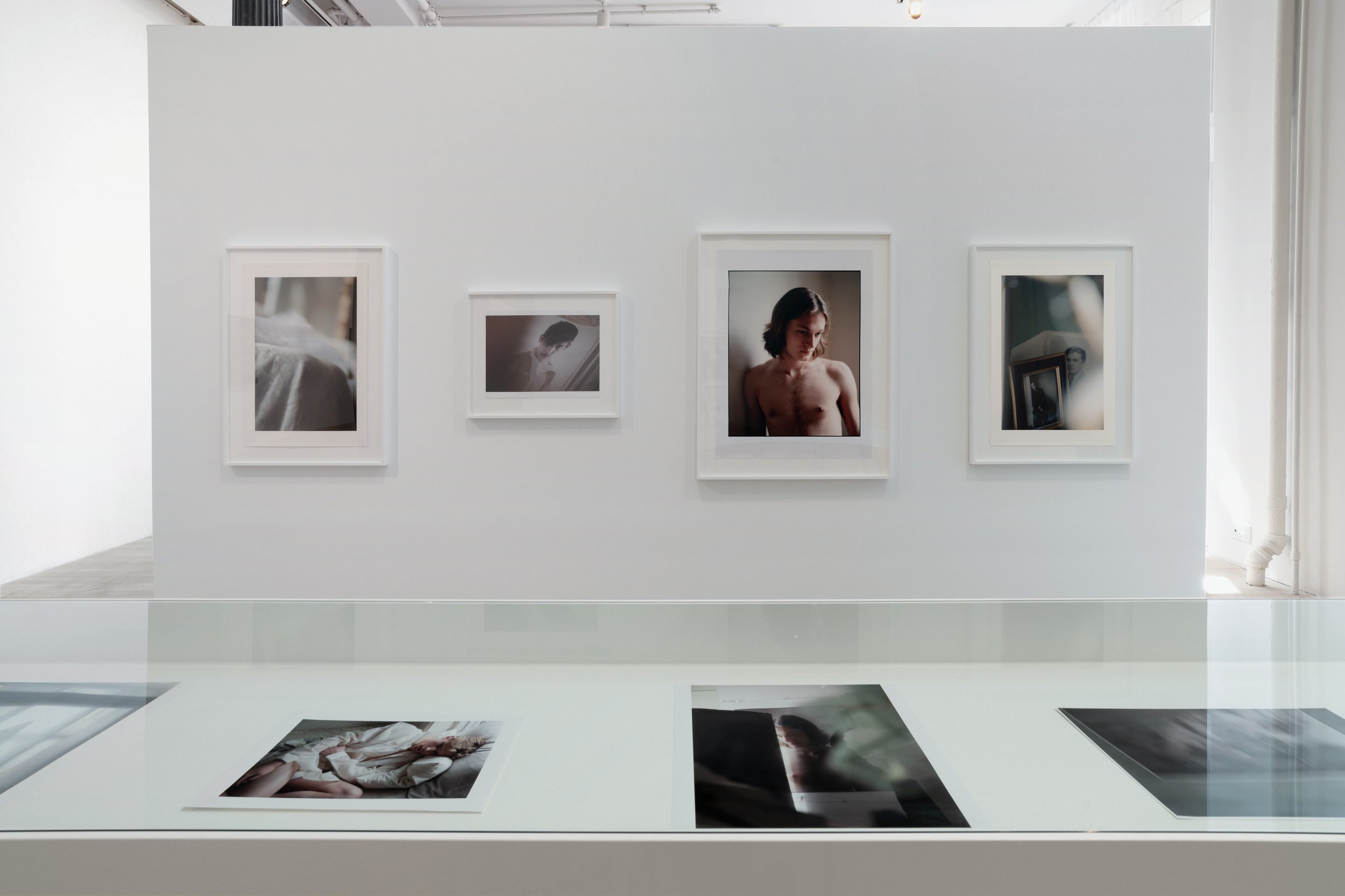
“David Armstrong: Portraits” Installation view, Artists Space. Photo: Carter Seddon. Image Courtesy Artists Space, New York.
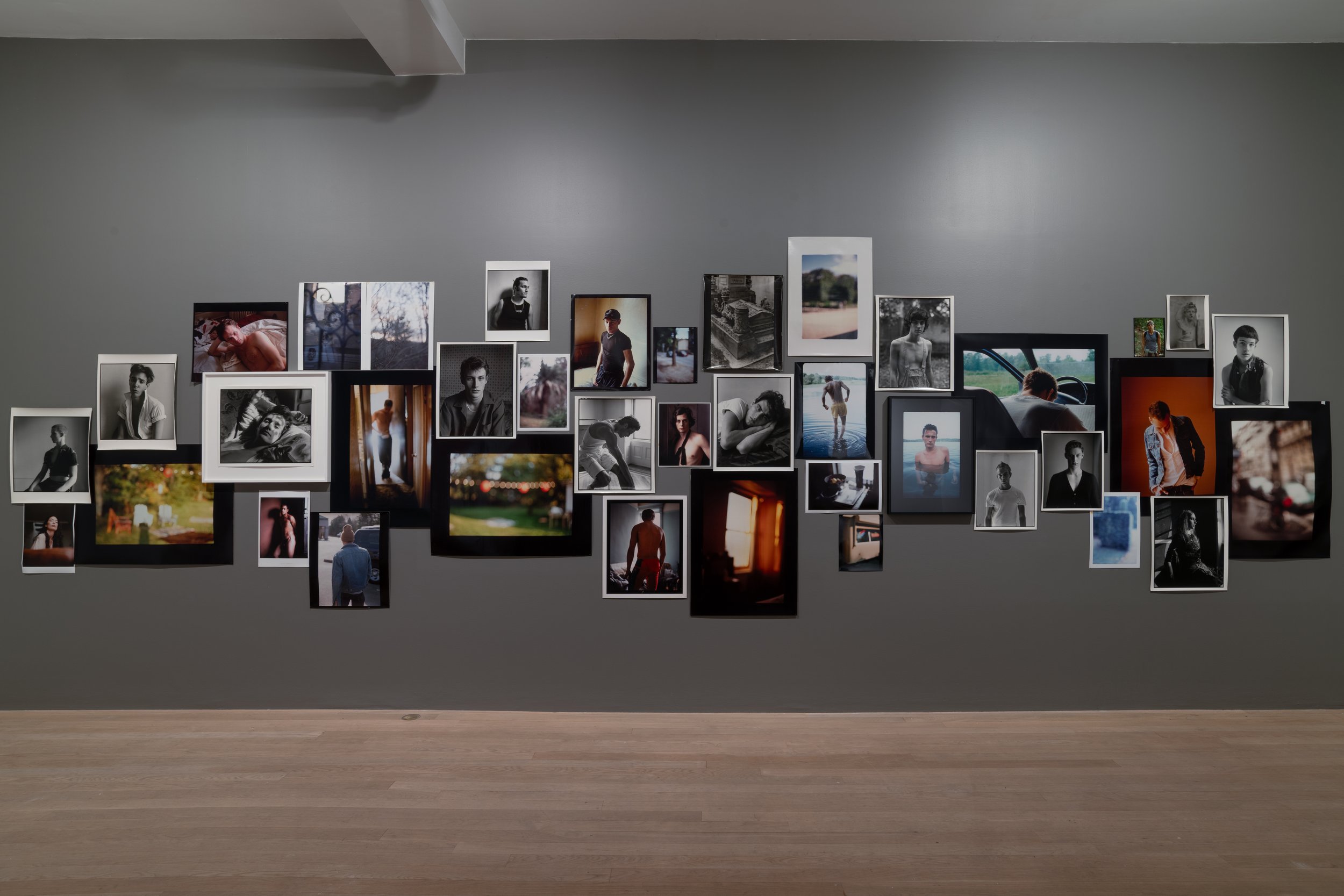
“David Armstrong: Portraits.” Installation view, Artists Space. Photo: Carter Seddon. Image Courtesy Artists Space, New York.

DAVID ARMSTRONG, "Blue Urn, Schönbrunn, Vienna", 1998. © David Armstrong. Courtesy of the Estate of David Armstrong
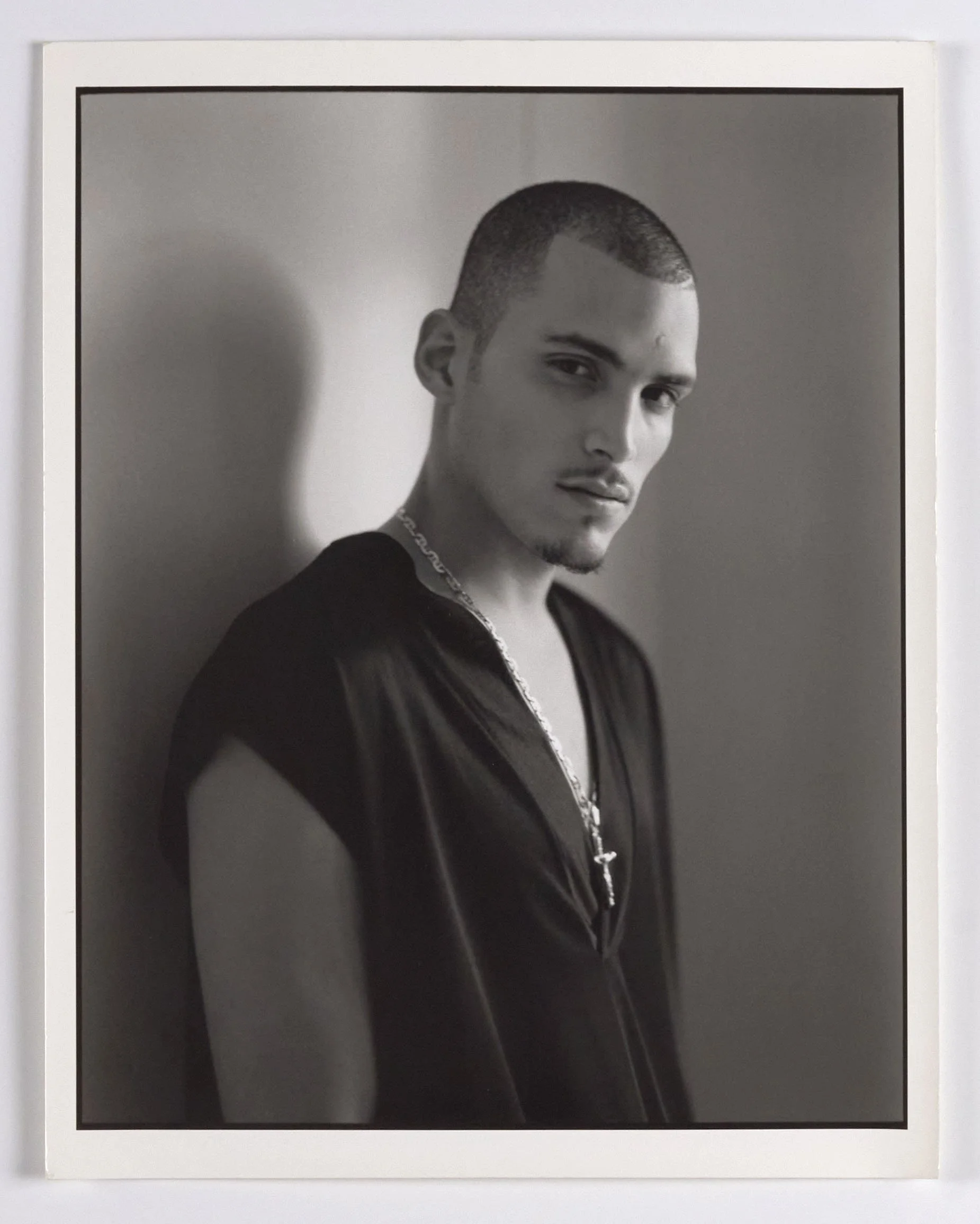
DAVID ARMSTRONG, "Eddie, Jefferson Avenue, Brooklyn", 2001. © David Armstrong. Courtesy of the Estate of David Armstrong