
By Jeffrey Whetstone September 10, 2026
It must be seductive for an artist to try to encapsulate into one piece of art the state of contemporary American capitalism and its alienating forces on the individual. Doug Aitken’s seven screen opus, “Lightscape”, attempts to describe the grift of neo-liberalism, the gulf between class in Los Angeles, and its effect on his characters’ inner lives. “Lightscape” is lush and rich – the kind of beautiful cinematography and symphonic sound that a seven-figure budget can buy. But it never adds up. Aitken unintentionally wades into the problems with representing “the other,” embraces the vapid spectacle of Hollywood cinema visual formulas, and makes creative work that alienates the viewer in the attempt to describe contemporary loneliness.
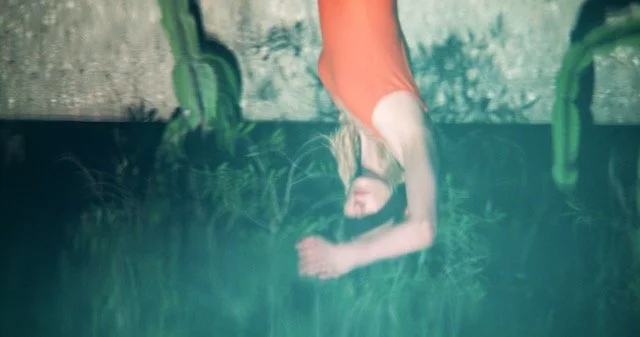
Until Sept 15, “Lightscape” occupies a cavernous art space inside The Shed at Hudson Yards. Seven giant screens surround a severe wooden seating platform in an ominous circle. The cast of this abstract narrative include Natasha Leone (Orange is the New Black), dancer Daphne Fernberger, Beck, Ed Ruscha, and others who all play similar roles as lone searchers wandering around the environs of Los Angeles going through low-stakes crises. The musical score and the light-graced imagery reference religious art. But as workers break into dance moves on the job, oligarchs chant in medieval choruses, and an enigmatic, lone cowboy slowly rides a horse into a gas station, “Lightscape” transforms over its 55-minute runtime into an unintentional comedy about class and ennui.
We follow the characters– all very beautiful people – through their sun-drenched day and neon lit night. They are cast in the light of Los Angeles—its check-cashing stalls, convenience stores, inside an Amazon warehouse, around a modernist sea-cliff home, and into spooky parking garages. Every location seems to represent the economic and social status of the characters, spanning between the daily desperate and generationally wealthy. Highways, freeways, desert roads, and surface streets figure prominently as do classic cars. One beautiful but poor woman searched through the surface roads of LA in a 1972 Chevy Malibu, which Aikten might not know are very expensive and sought-after now. Fucking cool car. (The rich characters don’t drive.)
No matter if they are languishing in a modern masterpiece home, like the Richard Neutra Tramaine house, or outside the check cashing window, the characters have in common these attributes: They are beautiful; they move in slow motion; they are bored; and they all say enigmatic sentences like, “You can get lost in the blink on an eye” (even when they were driving a classic 1970’s pick-up truck on an arrow straight desert road that didn’t have turnoff for 100 miles. I am being literal, I know—but it would take you at least three hours to get lost.) “Everything is connected,” is another phrase the characters say while moving in slow-motion—everything, that is, except the audience to this artwork.
The aspects of this enormous multi-screen surround sound installation that make it undeniably seductive is the cinematography, the soundscape, and the musical score (by Gustavo Dudamel and Phillip Glass to name a few of the credited composers.) The dynamic light and the cinematic polish make the “Lightscape” a spectacle of great moving-picture photography.
I thought of photographers like Andreas Gursky, Philip-Lorca diCorcia, and Victoria Sambunaris- artists who use exacting light and dynamic compositions to make seductively grand statements about the world we live in. But most of all “Lightscape” reminds me of Matthew Barney’s video work. What Barney has in common with Doug Aitken is an allegiance to the cinematic spectacle and use of the best motion picture technology. (And the over-use of slow motion. And beautiful people with enigmatic expressions.) The difference is that Barney is using the simulation of drama and all that grand cinematic technology to describe a fantastical world so far away from anything real, that any cultural commentary seems incidental. Matthew Barney isn’t using his formidable cinematic power and considerable budget to preach at you whereas Aitken’s Lightscape is some kind of morality tale about what we’ve lost to modernity, how alienated we feel at this time. It is a cruel reminder of the state of the world to be told by beautiful actors, in a beautiful city, bathed in heavenly light that we’re all bored as hell.
Jeffrey Whetstone is a photographer, writer, and educator. He received a Guggenheim Fellowship in 2008 and is a professor in the Visual Arts Program at Princeton University.
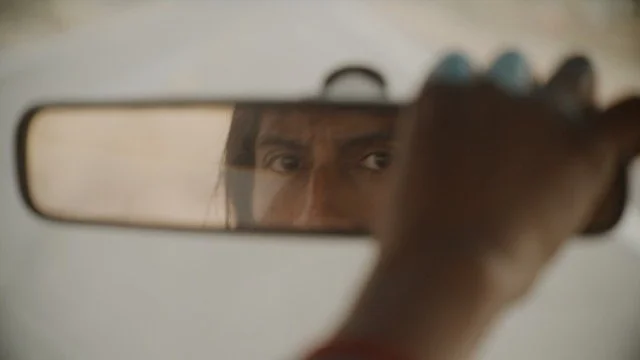
DOUG AITKEN, Still FROm “LIGHTscape”, 2026.
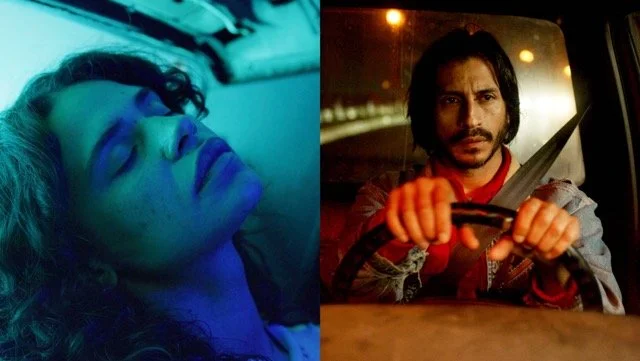
DOUG AITKEN, Still FROm “LIGHTscape”, 2026.

DOUG AITKEN, Still FROm “LIGHTscape”, 2026.
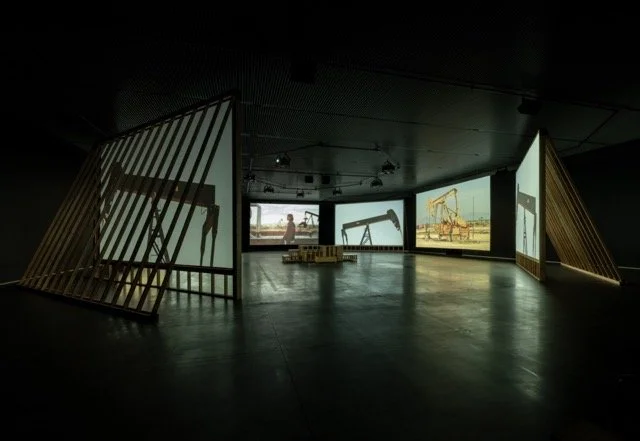
INSTALLATION VIEW DOUG AITKEN “Lightscape’ the shed, new york.
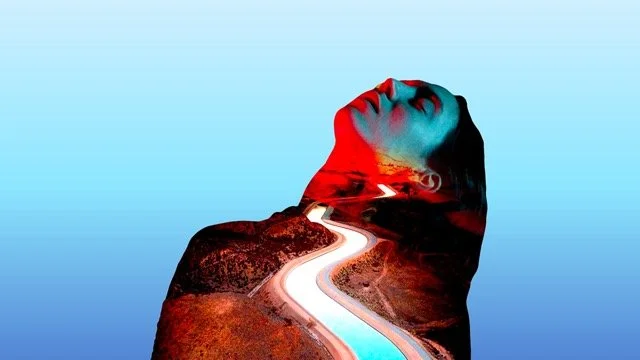
DOUG AITKEN, Still FROm “LIGHTscape”, 2026.