By Colin Beattie September 10, 2026
What the fuck is actually going on in the Hudson Valley?
We are six years into a much-hyped pandemic renaissance, but there are reports that the population is actually in decline. Boutique hotels and film studios pop up like mushrooms, but the region is gripped by a housing crunch and affordability crisis. Realtors rely on the romantic figure of the secluded artist: the boho renovation, the barn studio, the hybrid commute. These may only be gossamer dreams, but a sprawling new summer art fair and a cannonade of freshly renovated exhibition spaces are promising developments.
At the start of this buzzy summer, CPW Kingston opened the inaugural edition of its “Upstate Photography Biennial”. Curated by Marina Chao and Adam Giles Ryan and featuring a whopping 39 artists, it’s a massive undertaking. The show is loosely oriented around photographers who share a “connection” to the Hudson Valley, but it spans continents, decades, and approaches. Much like the Hudson Valley itself, the selection is multi-faceted and contradictory but dotted with pockets of rare beauty.
In his catalog introduction, Adam Giles Ryan makes clear this exhibition “is not a survey, and it does not attempt to define a region.” It’s more like one of those motley summer shindigs where documentarians, photojournalists and conceptual artists all hobnob under the stars. There are a few marquee names. Lyle Ashton Harris shares early work. Stephen Shore drops by with some recent experiments in drone photography. Plenty of emerging talents are here to rub shoulders as well. In a series of exquisite prints, Kevin Williamson creates candid portraits in the velvety shadows of caverns and abandoned mines. With a mixture of fury and tenderness, Sofia Peeters’ photos examine a time in her life when she was attempting to organize a union while simultaneously undergoing a gender transition. Luis Manuel Diaz uses domestic interior studies to examine both the continuities and ruptures between his two homes in Mexico and the United States.
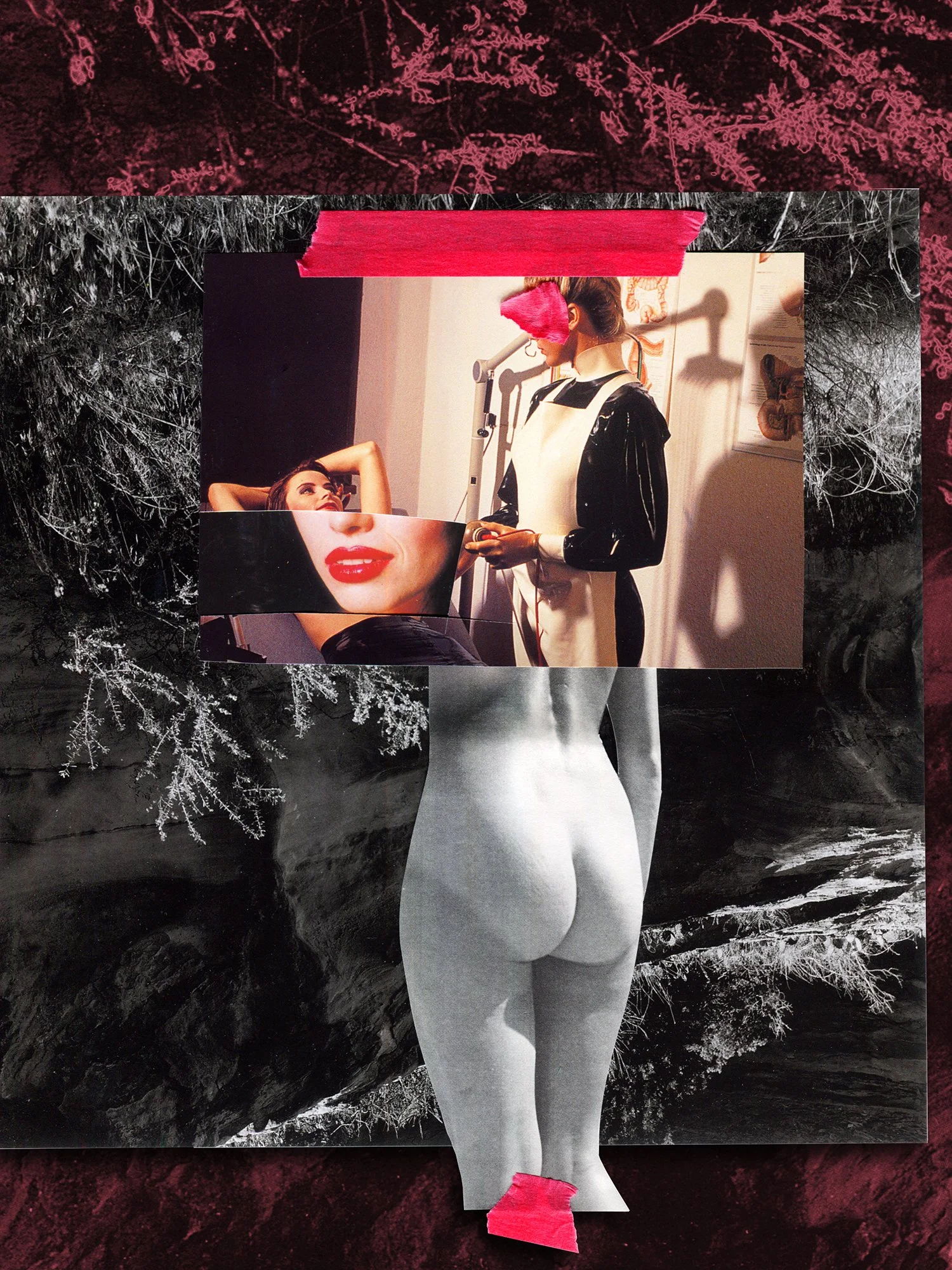
In her own introduction, Marina Chao writes about “echoes of displacement” that play out within this exhibition, whether they are the remnants of human migration or “material trace.” That’s an astute observation, and it helps create some connective tissue between elements like Diaz’ diaspora and the way Kate Steciw reconfigures vernacular photographs into proud, alien figures. It’s interesting to follow the concept of displacement along the razor-sharp edges of bold collages by Allison DeBritz, or the thudding encounter between concrete and photo emulsion in Letha Wilson’s frames. Seth David Rubin offers two portraits in which the sitter is nearly obscured by a barrier of mirrors. It’s a wall made up of the image itself, the subjects are still present, but diffracted and dislocated. These are all innovative solutions to depicting the way human lives are fragmented by the actions of information and power in the 21st century.
Eight photos by Meryl Meisler stopped me in my tracks. Her flash-frozen nightclub scenes reminded me of Aubrey Beardsley’s sinuous lines and tumbling revelers. Though shot in recent years, these images capture a dizzying confluence of history in contemporary queer club culture: Baroque ballrooms, Weimar cabaret, nineties raves, even Fritz Lang’s stark visions of the future. Pools of darkness on the edge of these frames are a reminder that these moments of joy have been stolen from an uneasy reality the awaits at festivities’ end.
Echoes of Meisler’s terminal aesthetics appear elsewhere in the show. In a haunting print by Andrew Moore, twilit homes are nearly obscured by a dark filigree of tree branches. Working in the wooded margins of a town, Moore finds a place where the light of human lives encounters the cold silence of winter. Nearby, in a triptych by Tanya Marcuse, withered flowers are bathed in smoke and unearthly light. The harvest has long been a subject for pastoral still-life, but in these images Marcuse swaps the conventional apples and hung fowl for clumps of human hair and dead songbirds. Thomas Cole’s Hudson Valley was a place of vast skies and raw natural beauty. For Moore and Marcuse that same landscape is now alien, heavy, and rendered in the colors of a deep bruise.
In the many corners of this exhibition, there are established artists challenging the medium, speaking to the pressures of our time. But there are also several projects that choose a quieter route by centering the history of craft at the heart of photography. Viktorsha Uliyanova’s cyanotypes, Judit German-Heins’ tintypes, and Jenia Fridlyand’s photogravures all make the reclamation of obsolete processes a central tenet of the work itself. Jack Platner presents ceramic pinhole cameras thrown from foraged clay. The cameras themselves might upstage the photos they created, but that’s not necessarily a bad thing. These practices all attest to the real pleasures afforded by dedicating oneself to a craft, and there’s a deep regional history for this kind of egalitarian spirit. In the early twentieth century, utopian colonies like Byrdcliffe countered the ills of industrialization with the joys of weaving, pottery and furniture making. In the 1970s and ‘80s, experimental spaces like Women’s Studio Workshop and Benjamin Wigfall’s Communications Village were dedicated to bringing under-represented communities’ better access to the means of creative production.
For all of its economic inequality and tick-borne illnesses, the spark of inspiration may still burn in the Hudson Valley. This past June, Upstate Art Weekend boasted 166 participating venues and 235 open studios, a veritable galaxy of aspiring artists. In his introduction to the Biennial’s catalog, CPW director Brian Wallis describes “a historic efflorescence of creativity that has swept across the Hudson Valley… virtually unprecedented in range and caliber.” It’s an exciting thought, but let’s keep in mind some distinctly adversarial working conditions: every artist and photographer I know, regardless of their successes, is struggling to support their practice. We are collectively reeling from the one-two punch of COVID and autocracy. We drive battered station wagons financed by freelance gigs, adjunct positions, and odd jobs. Idealism is high yet resources are scarce, and competition is fierce. Rejection letters pile up in our inboxes like so many autumn leaves.
In the face of such urgency, it’s easy to forgive CPW’s curators for sounding a little worn out when they describe “the volume… the range… and the commitment” of photographers in the area. In the pages of last April’s Artforum, Daniel Birnbaum asked whether the biennial format itself might be reaching a point of exhaustion. Two decades ago, he wrote, “circulation itself felt like a promise.” In other words, get your work on the walls and stability will follow. That model seems more and more distant from a reality where even the most powerful institutions are fighting to survive politicized funding cuts. With such limited resources, what can a curator do to really support individual practices? Ambitious juried exhibitions may bolster an institution’s visibility, but their lasting benefit to individual participants is harder to gauge. What do artists really need? A slice of wall in a crowded room, a few lines of curatorial jargon, and (hopefully) a small honorarium?
Maybe that’s why it was notable to find selections from An-My Lê’s “Trap Rock”series anchoring one corner of CPW’s main gallery. In 2006, the Dia Arts Foundation commissioned Lê to create this work in dialogue with the area around Dia’s recently opened museum in Beacon. Using a large-format camera, Lê photographed blasting and excavations at a basalt quarry near Poughkeepsie. The series of images established a visual nexus between Lê’s ongoing study of American militarism and the Hudson Valley’s history of ecological devastation. “Trap Rock” established a clear interface between Dia’s holdings and the Hudson Valley, a place - according to then-director Philippe Vergne - that “crystallizes a knot of historical, environmental, social and political contradictions.”
This artistic alchemy was achieved through a conversation between An-My Lê and Dia’s Lynne Cooke that began years before the first photo was shot. In our dislocated times, it’s refreshing to think of one artist and one curator giving a single idea the time it needs to really reach its full potential. Twenty years after its first exhibition, CPW’s inclusion of “Trap Rock” is a testament to the work’s enduring importance to the Hudson Valley.
Colin Beattie is an artist and curator and whose recent curatorial effort ‘Give Me One Good Reason for Leaving the House’ will be at CPW Kingston through September 13.
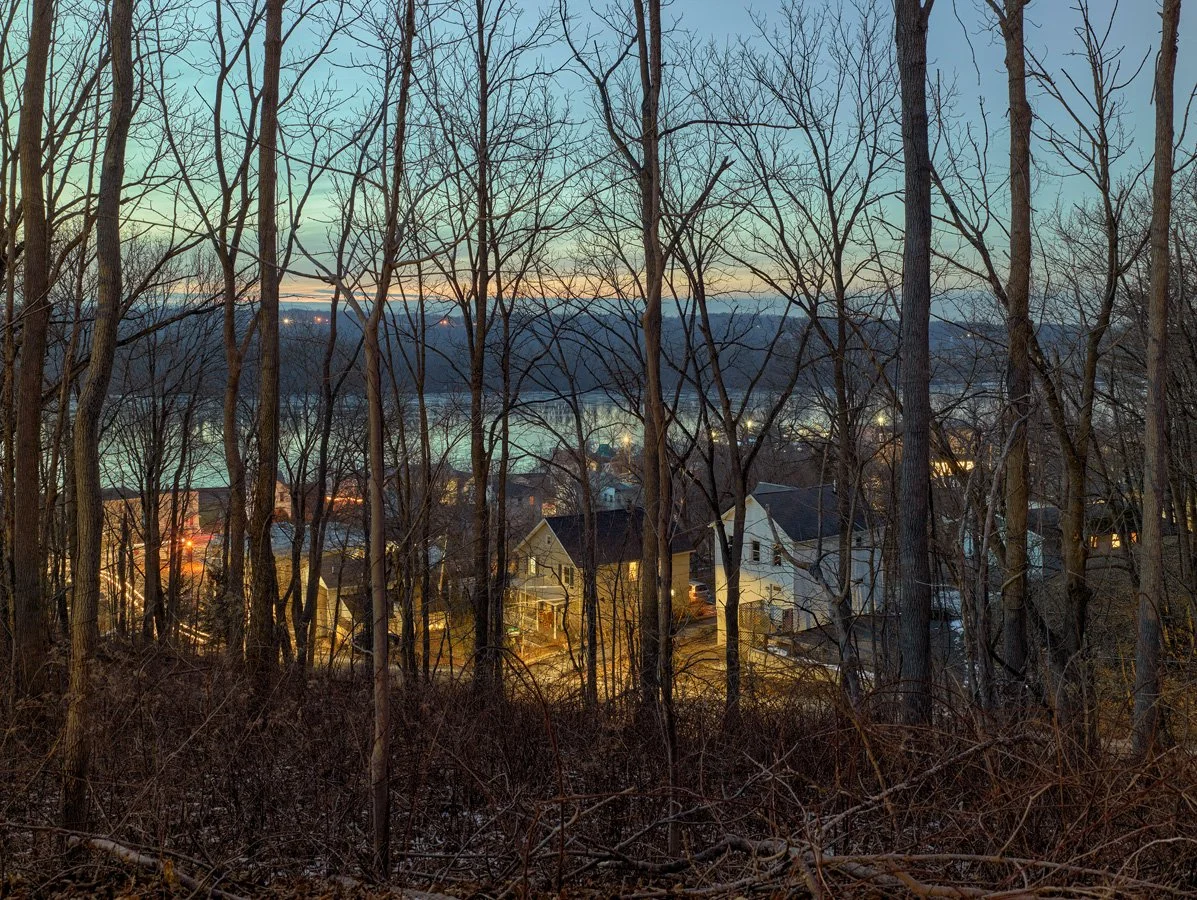
ANDREW MOORE "Whiskey Point and Other Tales" 2022.
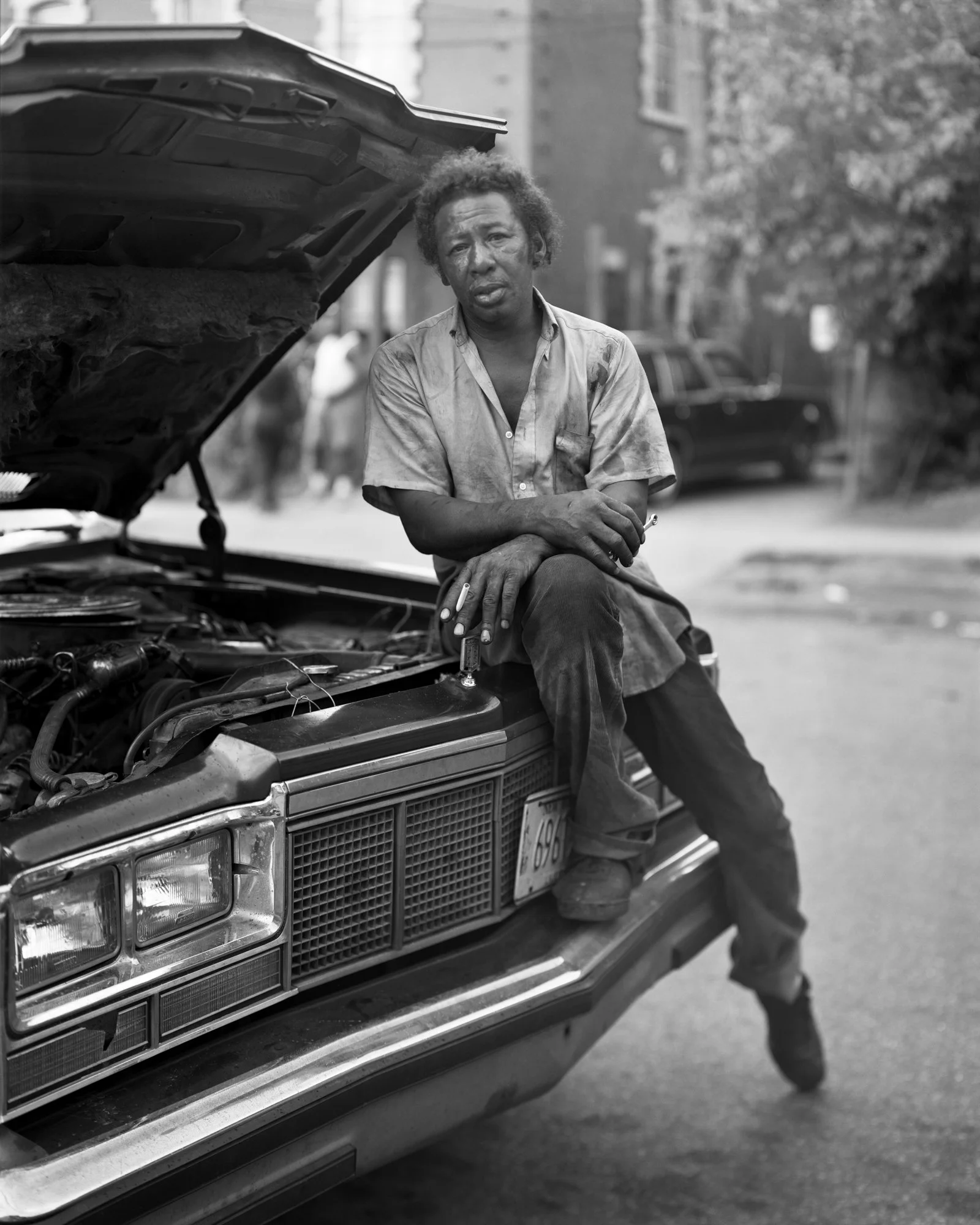
NANCY MCNAMARA "Street Mechanic", 1990.
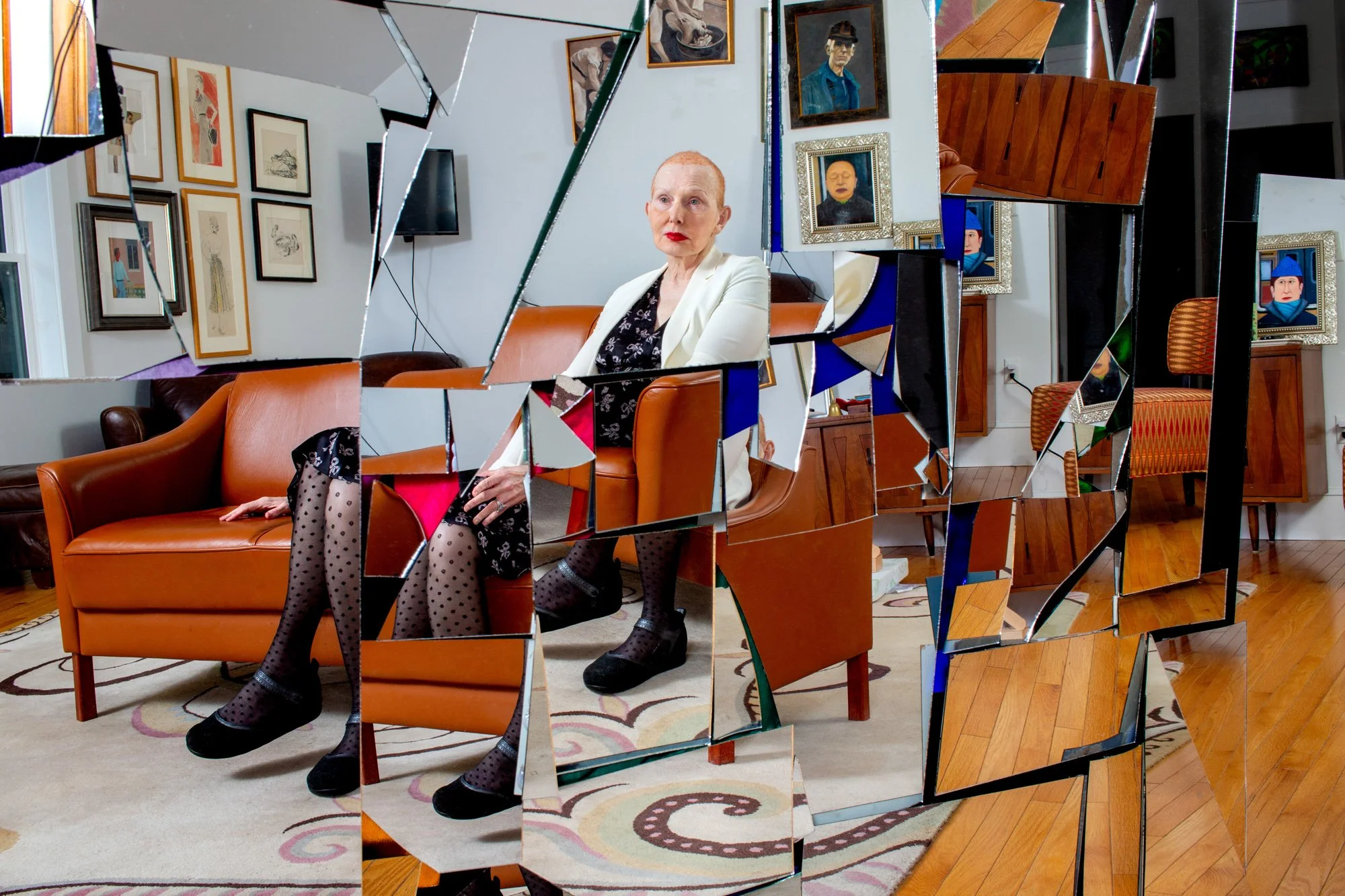
SETH DAVID RUBIN "Portrait of Laura," from "Placements" 2024.
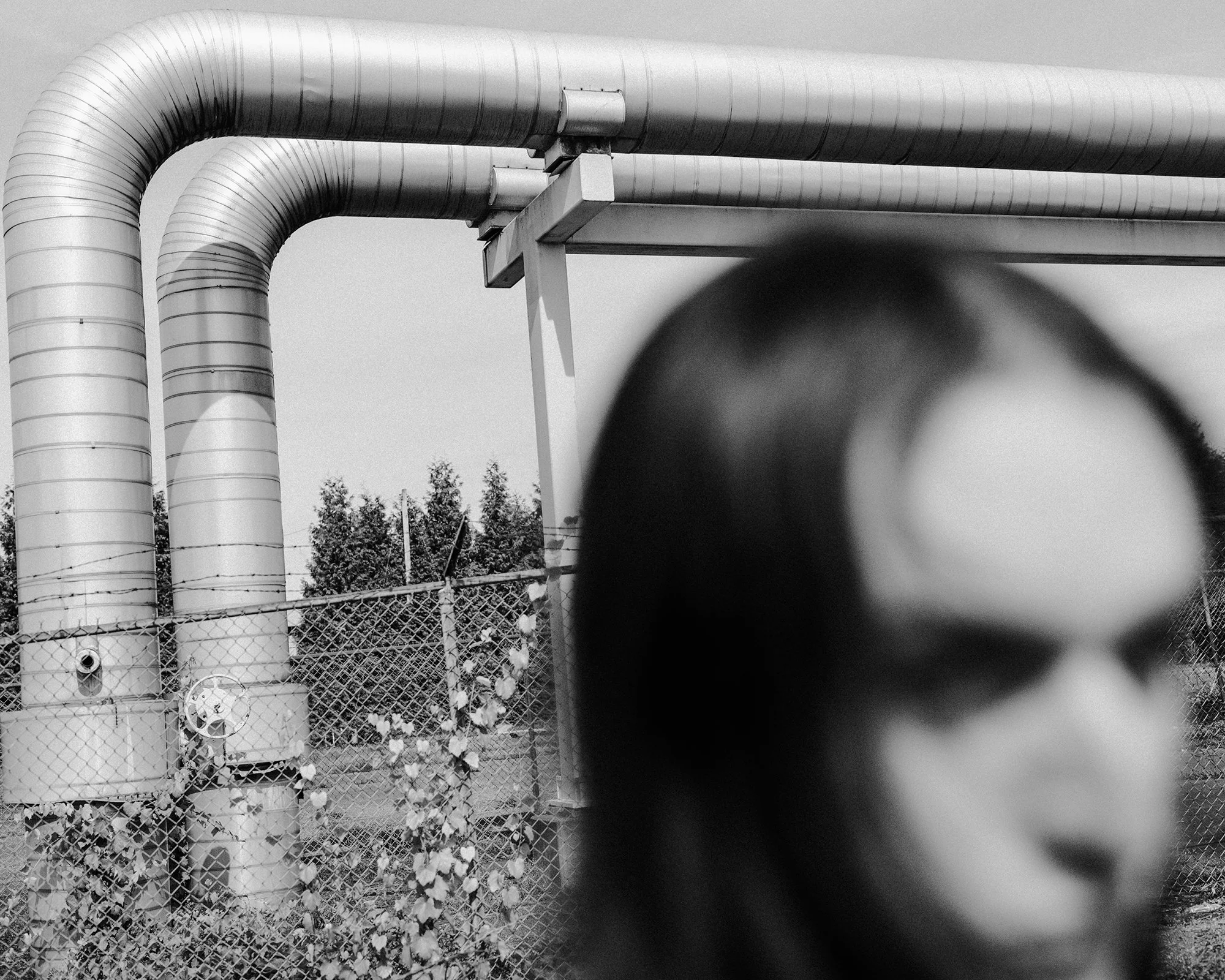
SOFIA PEETERS “GLANCE” 2025.
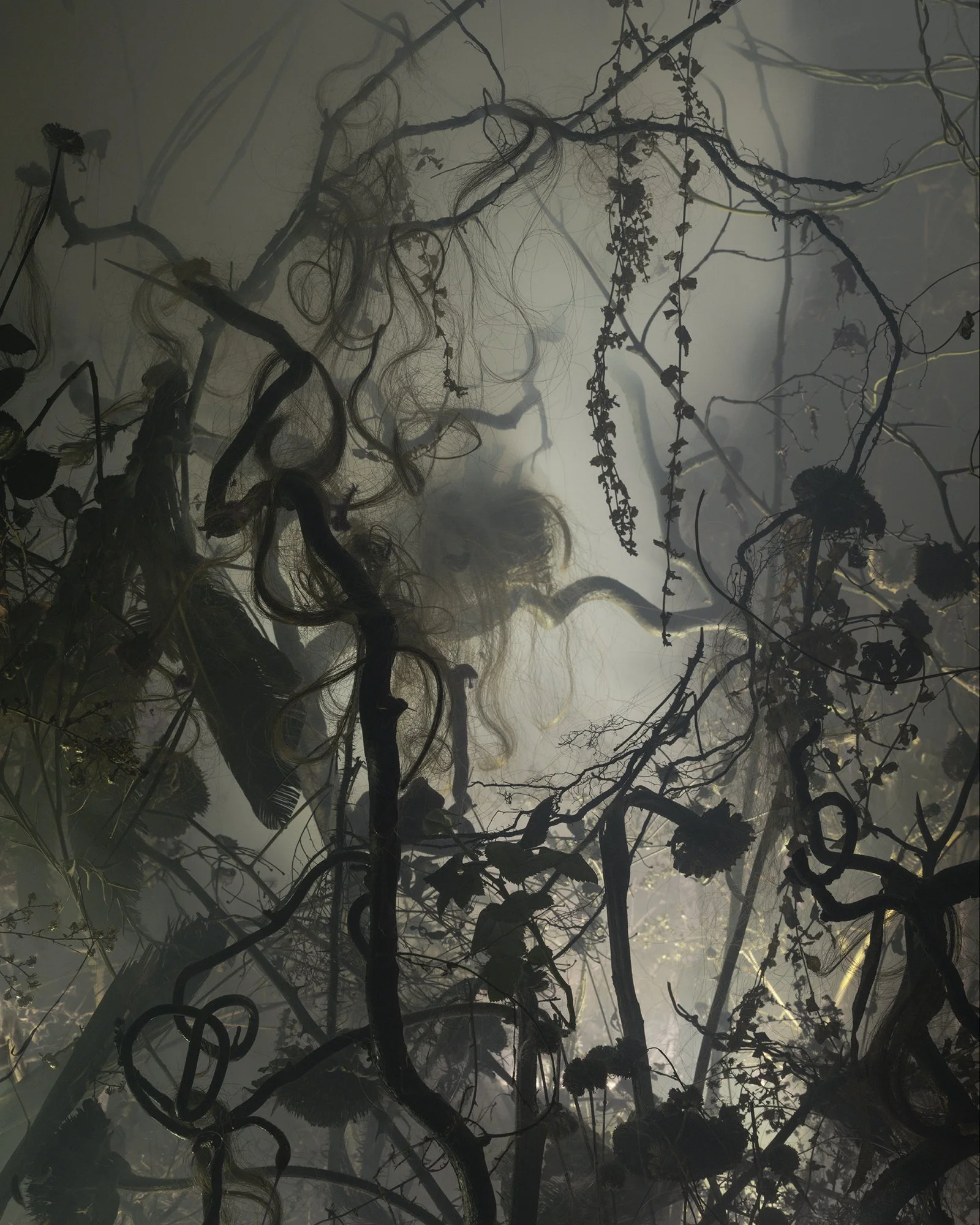
TANYA MARCUSE "Canto XIII" 2026.